

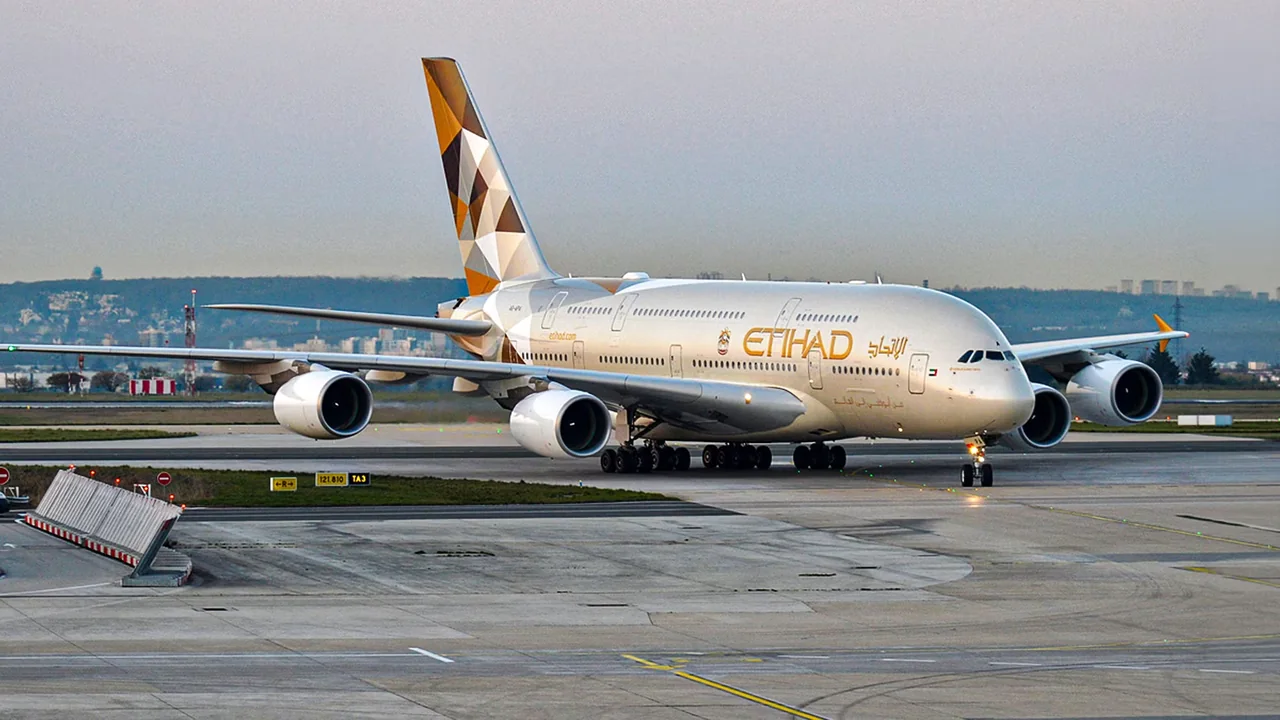
Etihad Airways is preparing to bring two more Airbus A380s back into commercial service after years in long-term storage. This move reflects a broader shift taking place across global aviation as airlines struggle with delivery delays and a backlog of over 17,000 commercial aircraft orders. The return of airframes A6-APC and A6-APB is about far more than simply restarting parked aircraft.
Reactivating a superjumbo that has spent nearly six years idle involves months of inspections, structural checks, software updates, engine preservation work, and extensive flight testing before passengers can board again. This process requires thousands of hours of labor and significant investment in replacement parts and maintenance.
The decision reflects the economics now favoring restoring Etihad's old A380s despite high operating costs, especially as demand on premium international routes continues to recover. With plans to keep the type flying until at least 2032, the airline is making a long-term bet that the superjumbo still has a profitable role in modern air travel.

Bringing a parked A380 back into service is an enormous engineering project that can take months to complete. Many of the world's superjumbos spent years in desert storage during the pandemic, with some airlines initially expecting they would never fly again.
As global travel demand recovered faster than anticipated, carriers began reactivating these aircraft to add much-needed capacity on busy long-haul routes. The process involves far more than routine maintenance and requires a significant amount of time, resources, and expertise.
The restoration costs are estimated in the tens of millions of dollars per aircraft, with Qantas revealing that returning one of its final stored A380s to service involved over 100,000 hours of engineering work.

This trend towards extending fleet life is driven by the global aircraft shortage, which has left airlines struggling to maintain capacity. By reactivating their superjumbos, carriers can mitigate this shortage and ensure they have enough aircraft to meet demand.
The revival of the A380 highlights the importance of preserving aviation technology and expertise, as well as the need for more efficient maintenance practices.
As the industry continues to navigate this challenging period, it will be interesting to see how airlines balance their desire to extend fleet life with the need to invest in new aircraft and technologies.

The global aircraft shortage is driving airlines to extend the life of their fleets, but at a significant cost.