

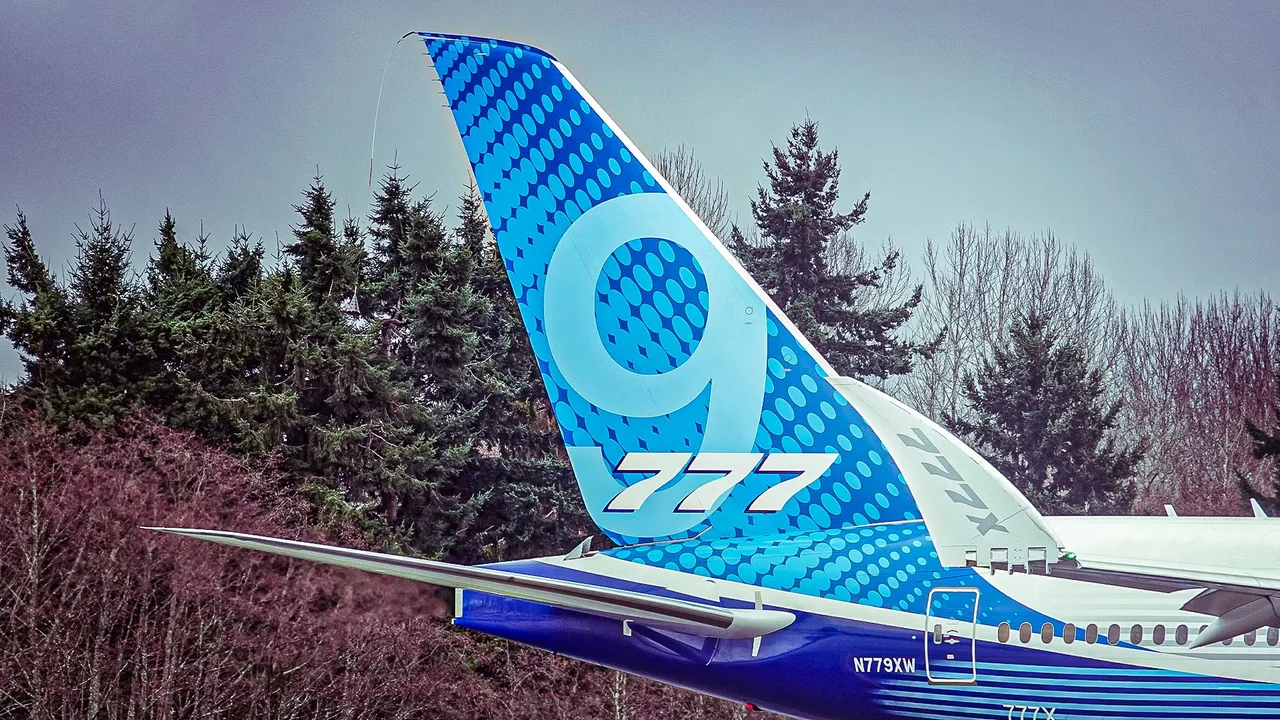
The Boeing 777X family is one of the most anticipated airplanes of the decade, with one very special and innovative feature setting it apart from other aircraft: its foldable wingtips. This innovative technology allows the aircraft to access existing airport infrastructure without expensive infrastructure changes by folding the wingtip upward on the ground.
The reason the 777X needs a foldable wingtip to access airport infrastructure has to do with its massive wingspan, which is an engineering milestone for the commercial aviation industry.
Boeing's decision to develop foldable wingtips was driven by the need to accommodate the larger wings of the 777X, which would otherwise exceed the limits of many airports' infrastructure.

The unique feature of the 777X's wingtip has sparked interest among aviation enthusiasts and s alike, who are eager to see how it will impact the future of air travel.
In terms of design, the foldable wingtips are built from advanced composite materials and are an engineering milestone for the commercial aviation industry.
The folding mechanism is designed to be fail-safe, with a large physical locking bolt that ensures the wingtips cannot be folded inflight.

Once extended, the wingtips are electronically isolated and mechanically locked, providing additional protection for the aircraft's systems.
After landing, the wingtips automatically fold at 50 knots ground speed, removing additional workload from the flight crew while clearing the runway.
The development of the 777X's folding wings is a significant step forward in terms of airport access and infrastructure efficiency, with potential benefits for airlines and passengers alike.

The Boeing 777X's innovative wingtip design is a testament to the company's commitment to pushing the boundaries of aircraft technology.