

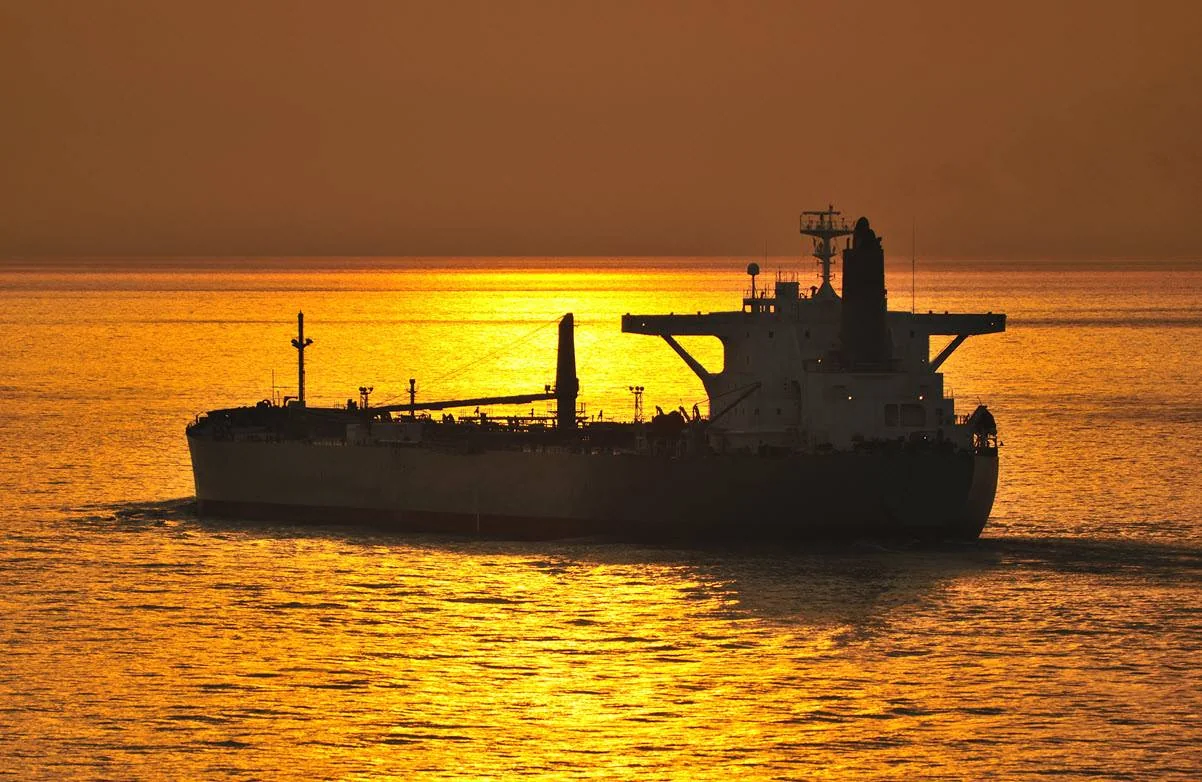
Global shipping markets have experienced a significant disruption in recent days, as the US Navy has held up a Maltese-flagged VLCC, the Agios Fanourios I. The vessel was initially sailing towards Vietnam to discharge its cargo of Iraqi crude oil but was redirected by the US military's Central Command as part of ongoing enforcement efforts against Iran. This development highlights the complexities and challenges faced by global energy markets in recent years.
The Agios Fanourios I had been sailing in the Gulf of Oman before making a U-turn on May 11, resuming its journey towards Vietnam on May 16. According to shipping data provided by LSEG, the vessel is now expected to arrive at the Nghi Son refinery in Vietnam on May 30. This arrival date marks an important milestone in the oil cargo's journey, with significant implications for global energy markets.
The US Navy's decision to redirect the VLCC was made as part of ongoing efforts to enforce the Iran blockade. The blockade has been a contentious issue since its imposition by the US and its allies in 2018. The complex web of international sanctions and trade restrictions has had far-reaching consequences for global energy markets, leading to increased tensions between major world powers.
The Agios Fanourios I's journey is just one example of the challenges faced by shippers operating in a region marked by ongoing conflict and diplomatic tensions. The vessel's voyage highlights the need for greater cooperation and understanding among nations to ensure the safe and efficient movement of goods across international borders.
Despite the challenges posed by the Iran blockade, global oil demand remains strong, with many countries relying on imported crude to meet their energy needs. As such, shippers must navigate complex regulatory environments and secure cargo hold-ups in order to deliver their products to customers around the world.
The Agios Fanourios I's arrival at the Nghi Son refinery is expected to have significant implications for Vietnam's energy market. The country has been seeking to diversify its energy sources in recent years, with a focus on reducing its dependence on imported oil.
Shippers operating in the region must be prepared to adapt to changing regulatory environments and navigate complex web of international sanctions. The Agios Fanourios I's journey serves as a reminder of the importance of cooperation and understanding among nations in ensuring the safe and efficient movement of goods across international borders.
The Iran blockade has had far-reaching consequences for global energy markets, leading to increased tensions between major world powers. As such, shippers must be aware of the latest developments and adjust their strategies accordingly.
Global shipping markets are likely to remain complex and challenging in the coming months, with ongoing diplomatic efforts aimed at resolving the Iran standoff expected to have a significant impact on trade flows.