

The automotive landscape has undergone a significant shift in recent years, with many manufacturers pledging their support for electric vehicles. However, the current US administration's stance on EVs and other alternative energy sources has led to a change of heart at Ford. The company's CEO, Jim Farley, has distanced himself from his previous advocacy for battery-electric vehicles, instead focusing on government protection for domestic manufacturers in the face of competition from Chinese companies.
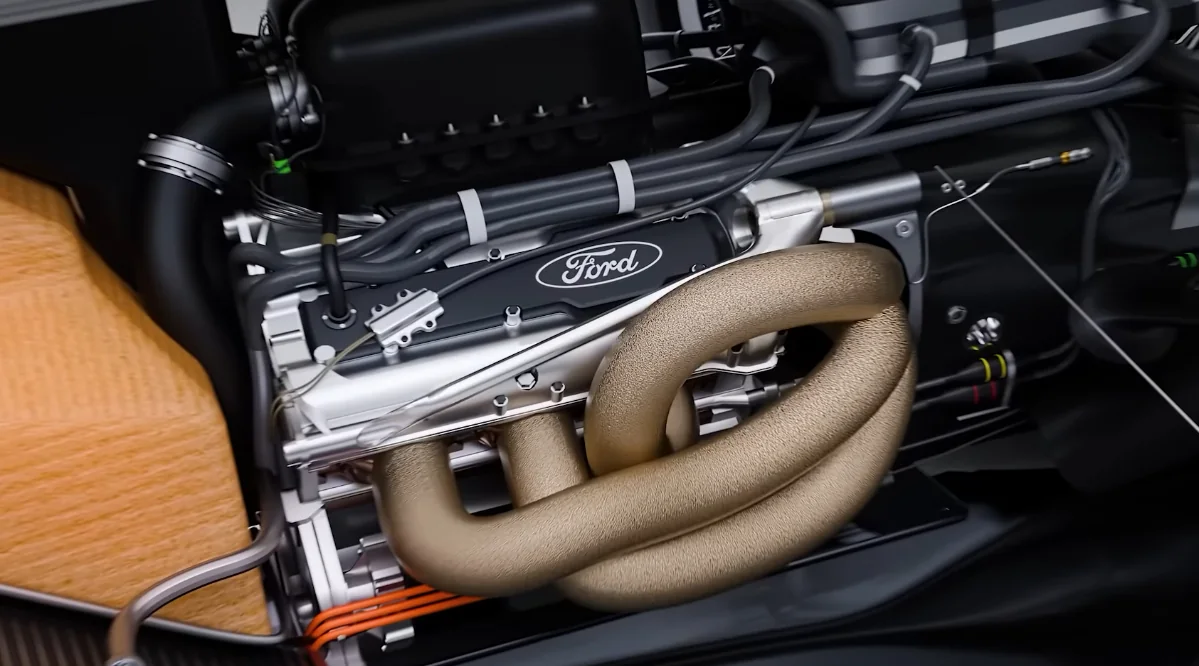
The new rules for the 2026 Formula One season have drawn attention due to their emphasis on combining electric motors with turbocharged V-6 engines. This approach aims to reduce the carbon footprint of F1 while maintaining performance levels. The introduction of hybrid powertrains has been a decade-long initiative, but the latest changes mark a significant shift towards sustainability.
The decision to use both electric and combustion engines in F1 has sparked debate among fans and drivers. Four-time world champion Sebastian Vettel expressed his dissatisfaction with the new sound of the cars, describing them as sounding like vacuum cleaners. The loss of the iconic V-10 engine noise has been a significant factor in this criticism.
The sound of racing engines has always played a crucial role in motorsports, with many fans drawn to the visceral experience of hearing powerful engines up close. The introduction of hybrid powertrains has reduced the noise level, but some argue that it has also diminished the excitement of the sport.
As the automotive industry continues to evolve, manufacturers are faced with increasing pressure to reduce their environmental impact. F1's new rules package is a significant step towards sustainability, but it remains to be seen how this will affect the fan experience and the overall performance of the cars.
The 2026 season will see drivers adapting to the new engine rules, which prioritize performance over emissions. The use of electric motors and turbocharged V-6 engines will require a different driving style, as drivers must balance power output with energy recovery.
Verstappen's concerns about his Formula One future highlight the challenges posed by the new rules package. As drivers adjust to the changed regulations, it remains to be seen how this will impact their performances and the overall competitiveness of the sport.
The introduction of hybrid powertrains in F1 has been a gradual process, with many manufacturers already incorporating electric motors into their vehicles. However, the latest changes mark a significant shift towards sustainability, and it will be interesting to see how this affects the industry as a whole.
As F1 looks to the future, it is clear that the use of combustion engines will continue to play a role in the sport. While the new rules package prioritizes performance over emissions, it remains to be seen how this will impact the long-term sustainability of the sport.
The new powertrain rules mark a shift towards sustainability, but the trade-offs are significant.