
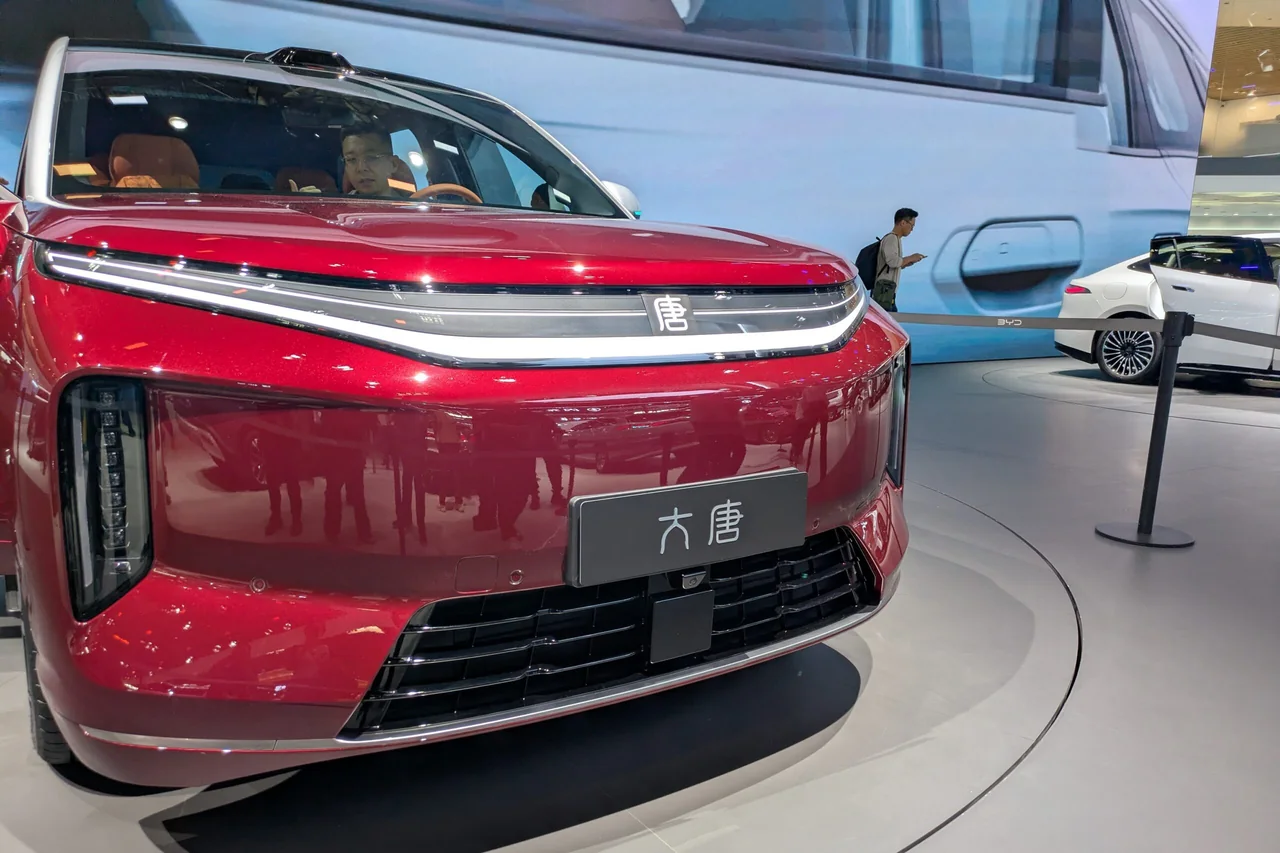
In a landmark case, a Chinese court has ruled against 37 online influencers who claimed to have been attacked by BYD, a leading electric vehicle manufacturer. The court found that the influencers had engaged in repeated online attacks and used false or misleading information that harmed BYD's brand image and disrupted the market order. This ruling sets a precedent for online influencers and highlights the importance of accuracy and fact-checking when criticizing brands or companies.
The case against Long Ge, a popular blogger who reviewed electric vehicles, is particularly noteworthy. He was found guilty of making improper remarks about BYD's battery, motor, and electric-control systems, which negatively affected the company. The court imposed a 2 million yuan penalty on Long Ge, which translates to approximately $294,000.
Libel laws in China are known to be strict, but this case takes it to a new level. The ruling suggests that online influencers must be held accountable for spreading false information, even if they claim to be criticizing companies. This has significant implications for the automotive industry and online communities.
The case also raises questions about the responsibility of online influencers. Should they be allowed to criticize brands without verifying their claims? Or should they be held to a higher standard of accuracy and fact-checking?
BYD's brand and public relations general manager, Li Yunfei, has stated that the company accepts objective criticism and factual reporting but will continue to use legal measures against fabricated or defamatory online content. This stance highlights the importance of clear communication and transparency in the face of criticism.
The incident also serves as a reminder for online influencers to be cautious when criticizing companies and brands. A single mistake can have severe consequences, as seen in Long Ge's case. It is essential to verify information before sharing it with the public.
CleanTechnica's comment policy emphasizes the importance of responsible commenting and fact-checking. This case serves as a reminder for online influencers to adhere to these principles and ensure that their comments are accurate and respectful.
The ruling also underscores the need for greater transparency and accountability in the automotive industry. As electric vehicles continue to gain popularity, it is essential to ensure that information about these products is accurate and reliable.
Ultimately, this case sets a precedent for online influencers and highlights the importance of accuracy and fact-checking when criticizing brands or companies.