

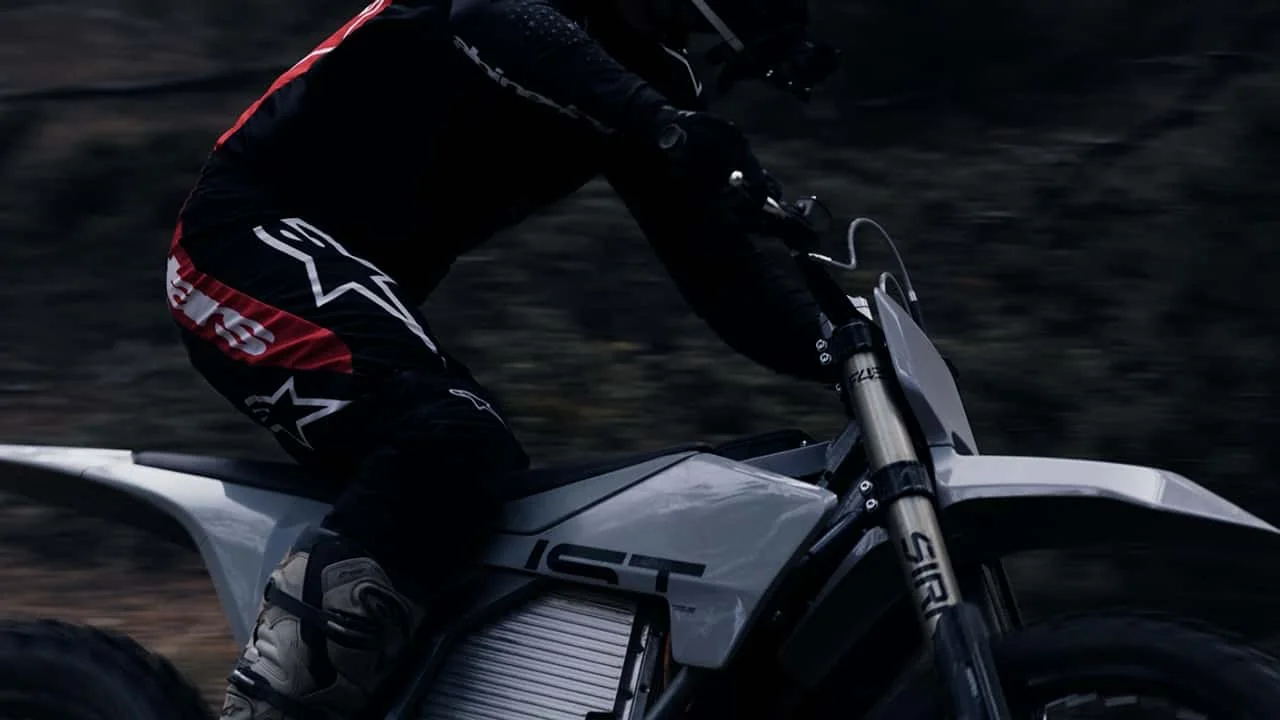
Harley-Davidson has made a significant acquisition in the electric motorcycle market, purchasing Dust Moto, an EV dirt bike startup. The deal is expected to bring new technology and expertise to Harley's LiveWire lineup. This move may indicate a growing commitment to sustainable transportation options.
The terms of the acquisition have not been disclosed, but Harley-Davidson has stated that it plans to integrate Dust Moto's technology into its existing product offerings. This could potentially lead to improved performance and range for Harley's electric motorcycles. However, the future product plans remain unclear at this time.
Dust Moto's technology is focused on high-performance electric motors and advanced battery systems. The startup has been working towards developing more efficient and cost-effective solutions for electric vehicles. With Harley-Davidson's backing, Dust Moto may be able to accelerate its development and bring these technologies to a wider audience.
The acquisition also raises questions about the future of Harley-Davidson's LiveWire lineup. Will the company continue to focus on high-performance electric motorcycles, or will it explore other product opportunities? The answer remains unclear for now.
Harley-Davidson has been investing heavily in its electric motorcycle division in recent years. The acquisition of Dust Moto is just the latest move in this effort. This may indicate a growing commitment to sustainable transportation options and a desire to stay competitive in the rapidly evolving EV market.
The electric motorcycle market is expected to continue growing in the coming years, driven by increasing demand for environmentally friendly transportation options. Harley-Davidson's acquisition of Dust Moto positions the company well for this trend.
However, the acquisition also raises concerns about the potential impact on competitors. Other companies in the EV market may view Harley-Davidson's move as a threat or an opportunity to acquire their own technology and talent. The outcome is far from certain at this point.
The integration of Dust Moto's technology into Harley-Davidson's product lineup will likely be a complex process. The company will need to balance the needs of its existing customers with the demands of its new acquisition. This may require significant investments in research and development.
In the end, the success of Harley-Davidson's LiveWire lineup will depend on its ability to deliver high-performance electric motorcycles that meet the needs of its target market. The acquisition of Dust Moto is an important step towards this goal, but it is just one part of a larger strategy.
As Harley-Davidson continues to navigate the rapidly evolving EV market, it will be watching closely to see how other companies respond to its move. Will competitors view the acquisition as a threat or an opportunity? Only time will tell.
Harley-Davidson's move may signal a shift towards sustainability