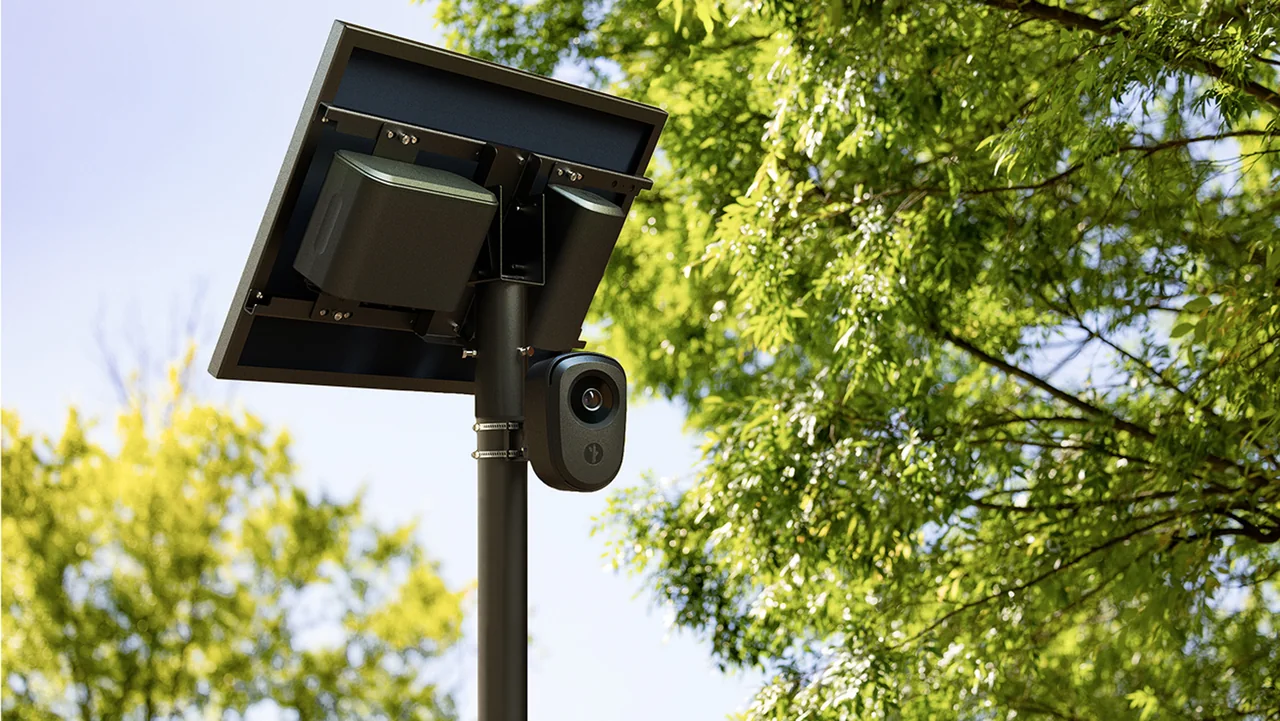
Bandera, Texas, a small town with approximately 900 residents, recently voted to terminate its contract with Flock Safety, a company providing automatic license plate reader cameras. The decision came after months of public outcry and protests from concerned citizens. The cameras were installed as part of a Texas public safety grant, but opposition grew due to concerns over surveillance, privacy, and government overreach.
The town's residents had repeatedly expressed their dissatisfaction with the cameras, citing that Bandera already has low crime rates and didn't need the added surveillance system. Despite this, Flock Safety continued to install more cameras, which further fueled the community's opposition. In response, poles holding the cameras were vandalized or cut down multiple times.
The termination of the contract marks a significant victory for residents who demanded greater transparency and control over their personal data. The incident highlights the ongoing debate about the balance between public safety and individual privacy in the age of technology.

Bandera's decision serves as a warning to other municipalities considering similar contracts with Flock Safety or other surveillance companies. Residents must be aware of the potential risks and consequences of installing such systems in their communities.
The town's councilman, Jeff Flowers, has taken an extreme stance by proposing a ban on all cellular and GPS-capable devices, prohibiting outward-facing cameras, and eliminating internet services and electronic record keeping altogether.
Flowers' vision is to return Bandera to a more primitive era, using paper ledgers and cash transactions, which raises questions about the feasibility and practicality of such a drastic measure. This approach would likely have significant economic and social implications for the town.
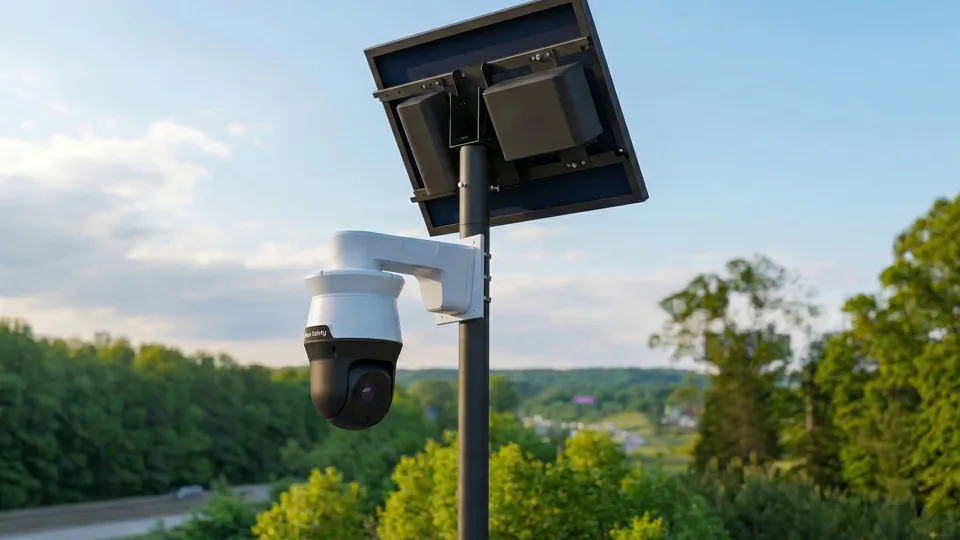
The comparison between Flowers' proposal and the idea of abandoning modern technology entirely is flawed, as it fails to acknowledge the benefits that technology provides in terms of public safety and convenience.
Instead of resorting to extreme measures, residents could focus on finding more nuanced solutions that balance individual privacy with community needs. This might involve implementing stricter regulations or guidelines for surveillance systems.
The incident in Bandera serves as a reminder that technology is a double-edged sword, offering both benefits and risks. It is essential for communities to engage in open dialogue and make informed decisions about the use of surveillance technologies.
Ultimately, Bandera's decision demonstrates that residents will not hesitate to stand up against measures they perceive as invasive or threatening to their way of life.
The town's experience highlights the importance of transparency and accountability in government contracts and the need for citizens to be aware of the potential implications of such agreements.