

The concept of mobile EV charging is not new, but ACMobility's implementation takes it to the next level in Southeast Asia.
By deploying mobile DC fast-charging units across Metro Manila, ACMobility is providing a solution to the region's acute charging station shortage.
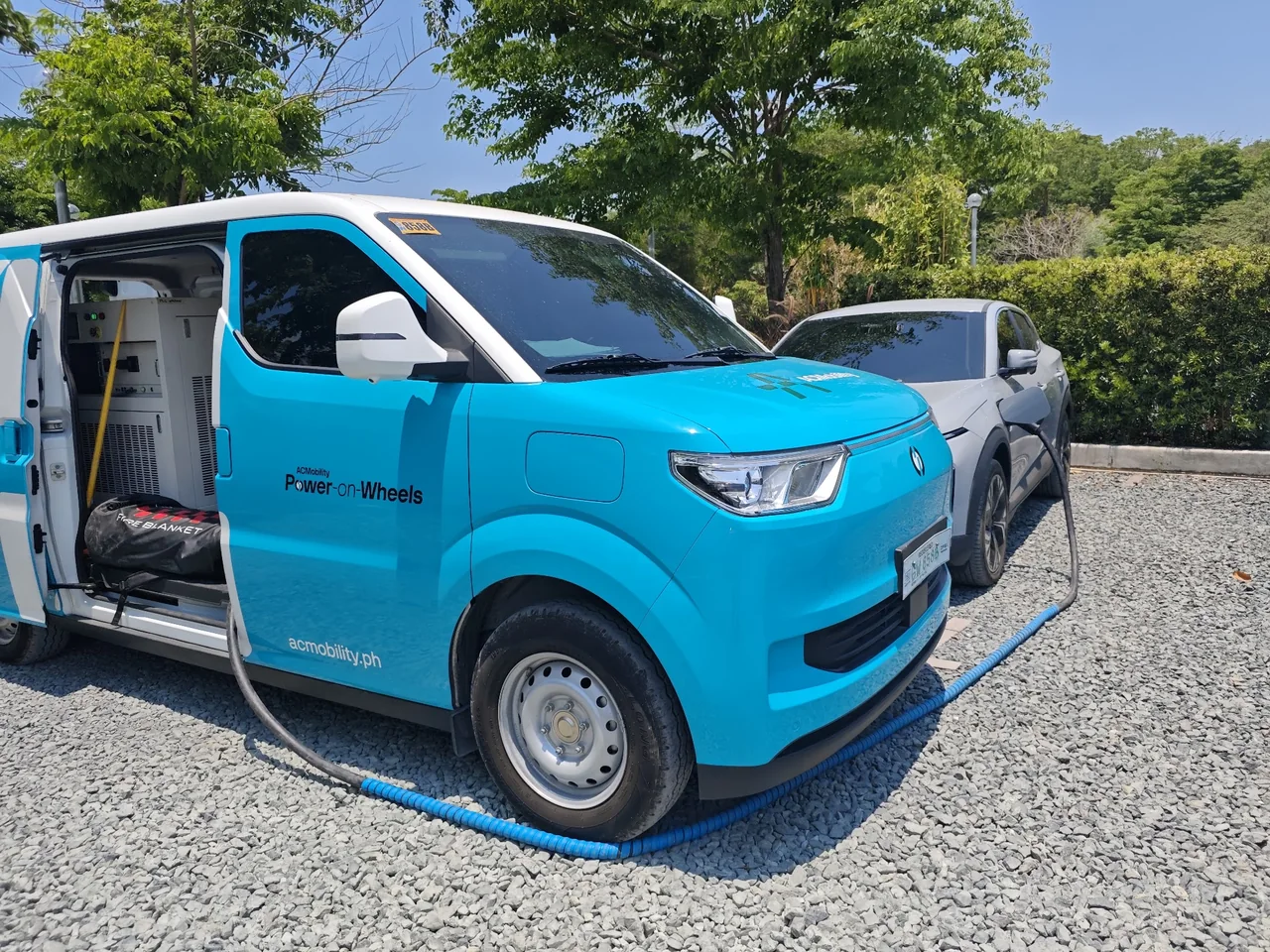
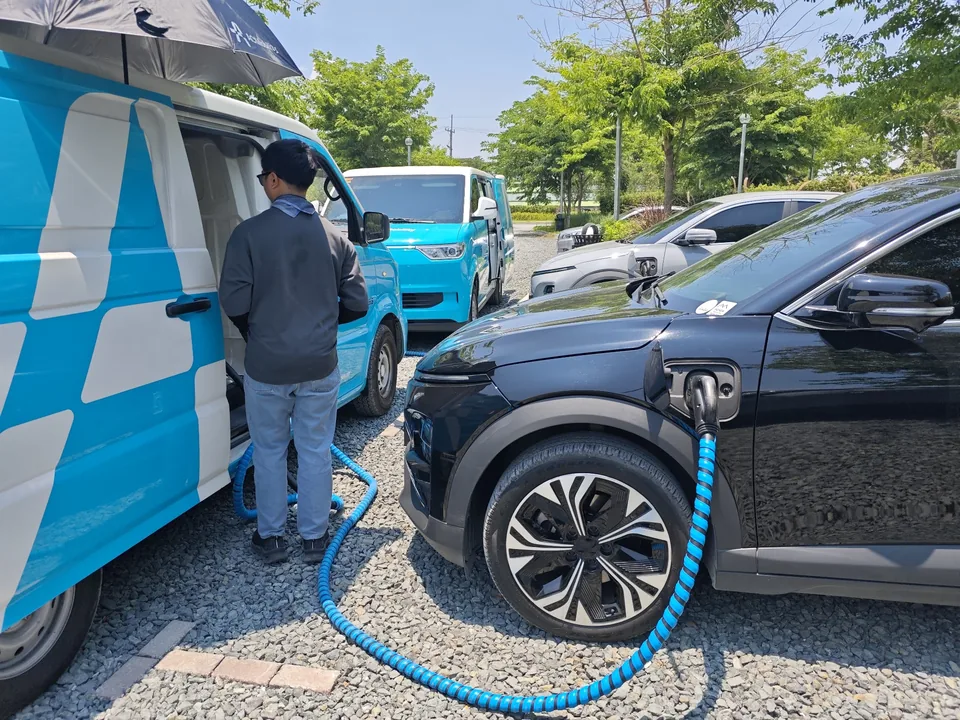
ACMobility's 'Power-on-Wheels' system allows EV owners to request charging through an app and have battery-equipped electric vans dispatched directly to their vehicles.
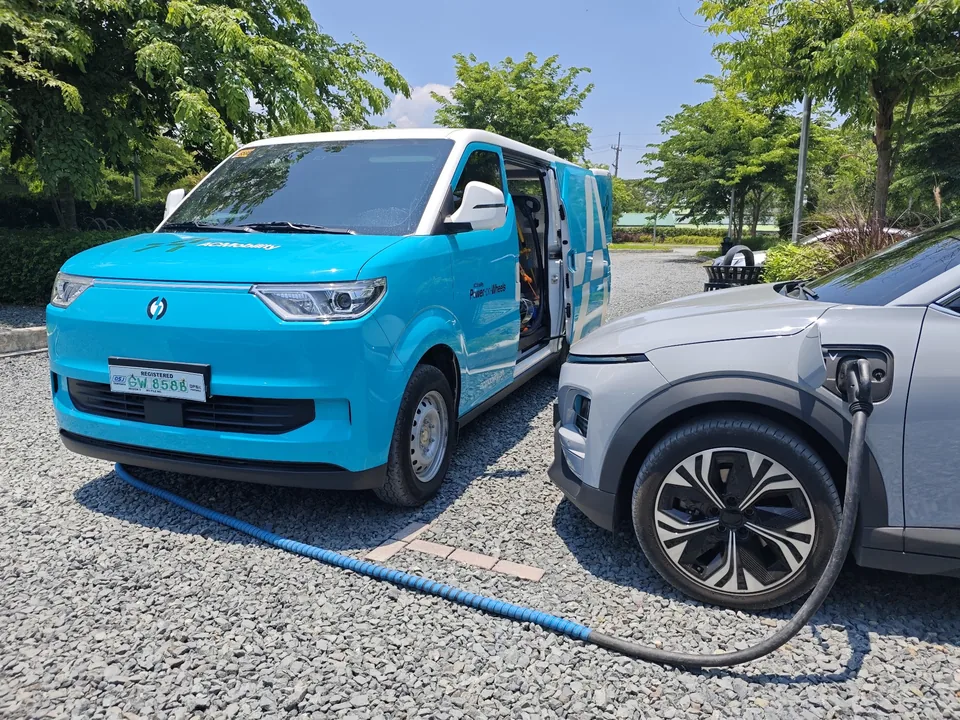
This approach not only addresses range anxiety but also makes EV adoption more practical for Southeast Asia's urban dwellers, particularly in densely developed areas with limited parking options.
The Philippine deployment is a significant step forward in scaling mobile charging into a broader public-facing urban infrastructure layer in ASEAN.
ACMobility's partnership with Singapore-based Power-Up Tech brings expertise and operational knowledge to the table, ensuring a seamless user experience.
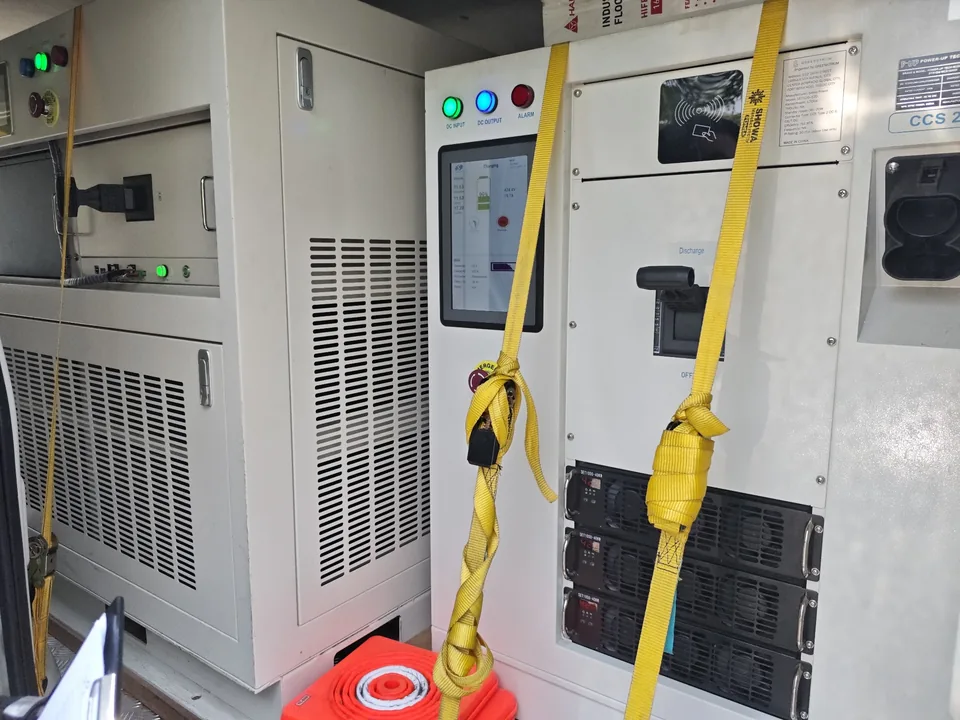
Most mobile charging deployments globally remain niche services aimed at emergency roadside assistance or premium vehicle support, but ACMobility is positioning its service as a practical extension of daily EV usability.
The company currently operates 10 mobile charging units across Makati, Bonifacio Global City, and Mandaluyong, showcasing the effectiveness of this approach in real-world conditions.
ACMobility's use of compact electric commercial vehicles instead of large generator trucks is a testament to its commitment to sustainability and reducing environmental impact.
The challenge of deploying conventional charging networks in Southeast Asia's urban regions is compounded by factors such as limited parking options, aging electrical systems, and severe traffic congestion.
By providing mobile charging solutions, ACMobility is helping to alleviate range anxiety and make EV adoption more accessible to a wider audience.
As the demand for sustainable transportation solutions continues to grow, innovative approaches like ACMobility's 'Power-on-Wheels' system will play a crucial role in shaping the future of urban mobility.
This innovative approach addresses range anxiety and makes EV adoption more practical for Southeast Asia's urban dwellers.