

Shipping's Arctic Black Carbon Problem Spikes
The International Maritime Organization (IMO) has made progress on reducing emissions from shipping, but a new study reveals that black carbon emissions from vessels operating in polar waters have tripled over the past five years. The Clean Arctic Alliance published data showing a significant increase in emissions from 259 metric tonnes in 2019 to 759 metric tonnes in 2024. This is not a projected figure, but rather measured emissions from vessels currently operating in the region.
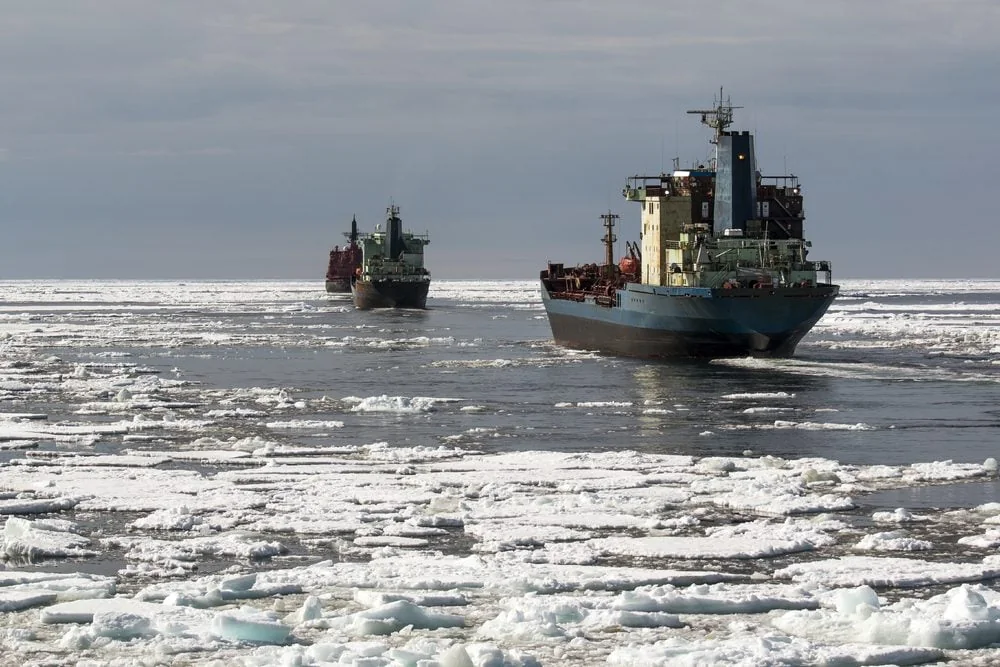
The rapid growth of shipping in the Arctic poses significant environmental concerns. As sea ice continues to retreat, new routes are opening up for commercial vessels, attracting bulk carriers and tankers seeking shorter transits between Asia and Europe. Cruise tourism is also expanding into these waters, further increasing the demand for residual fuels.
Black carbon emissions have a disproportionate impact on the climate system in the Arctic, where the climate is already under acute stress. The warming feedback loop caused by black carbon is estimated to be up to 1,500 times more potent than carbon dioxide per unit of mass.
The IMO's Net Zero Framework, agreed upon at MEPC 83 last year, is back on track after a five-day negotiation session in London. Analysts at University College London expressed cautious optimism about the progress made.
However, despite this progress, the Arctic black carbon problem is growing faster than regulators can respond. The IMO's efforts to reduce emissions from shipping are crucial in addressing this issue.
The commercial reality driving this growth is straightforward: as sea ice retreating and new routes opening up, more ships are entering the region, burning more residual fuels. This feedback loop is not a theoretical construct, but a pressing environmental concern.
MEPC 84 did produce one meaningful concrete outcome: the approval of a new North-East Atlantic Emission Control Area. When it enters into force in 2027, vessels operating in this area will face stricter emissions controls.
The consequences of unchecked combustion pollution in the Arctic are already being felt, with warming feedback loops accelerating climate change. The IMO's efforts to reduce shipping emissions must be accelerated to mitigate these effects.
Ultimately, addressing the Arctic black carbon problem requires a coordinated global response from governments, industries, and individuals. The IMO's role in regulating shipping emissions is critical in this effort.
The consequences of unchecked combustion pollution in the Arctic are already being felt, with warming feedback loops accelerating climate change.