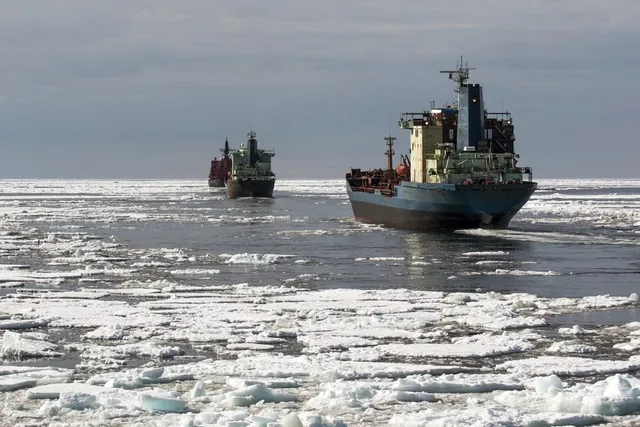
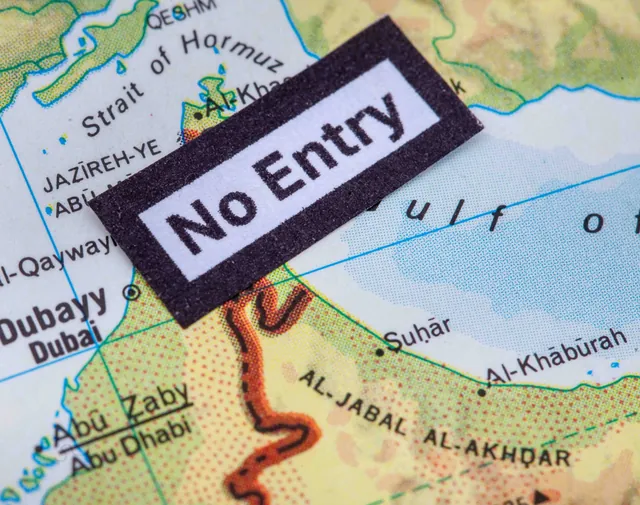
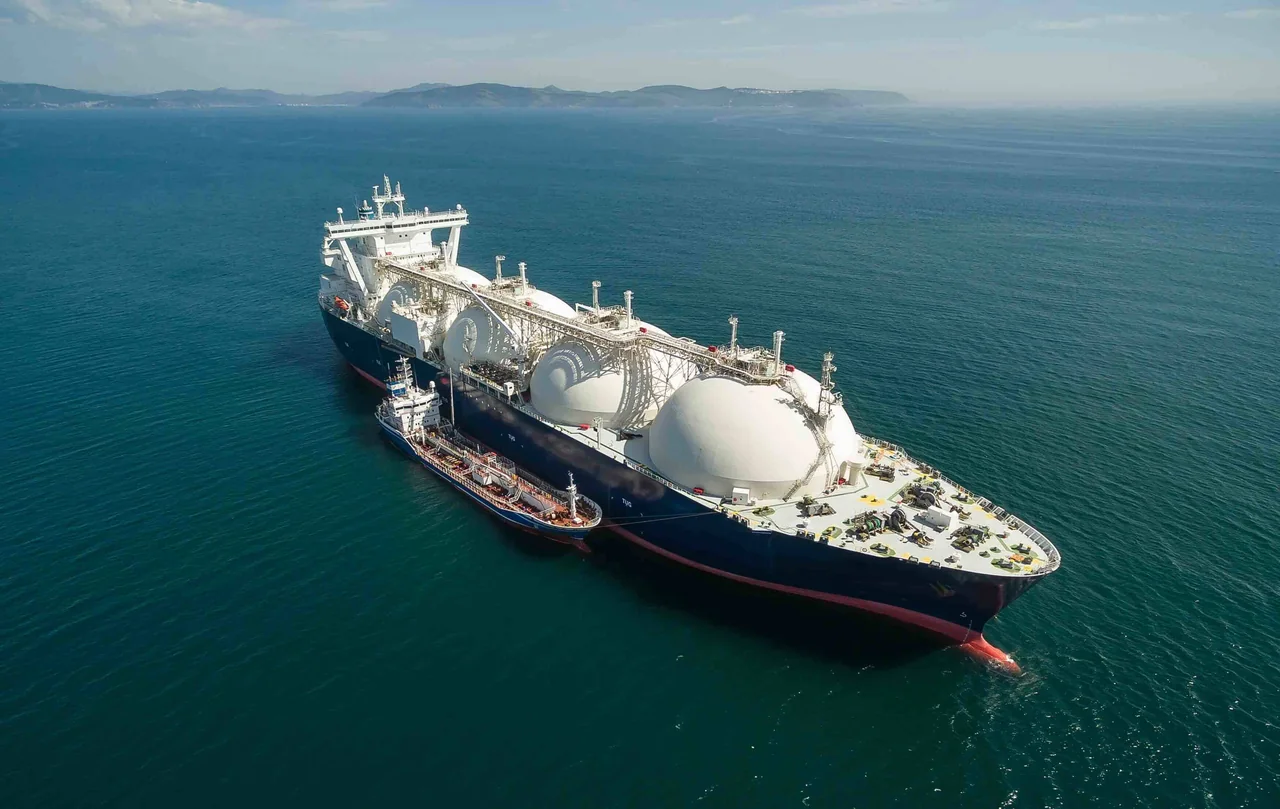
A third Qatari liquefied natural gas tanker is transiting the Strait of Hormuz, heading to China, as a negotiating team from Qatar arrived in Tehran to try to secure a deal to end the war with Iran. This shipment is taking place nearly two weeks after a first such cargo passed through the strait under an Iran-Pakistan arrangement.
The vessel, Al Sahla, has a capacity of 211,842 cubic metres and left Ras Laffan, where it was loaded with LNG. It is expected to arrive at China's Tianjin LNG terminal on June 14, according to LSEG shipping data.
This third transit of a Qatari LNG tanker is significant as it comes nearly two weeks after the first shipment through the Strait of Hormuz under an Iran-Pakistan arrangement. The previous two tankers were sold by Qatar to Pakistan under a government-to-government deal.
The people behind this deal said that Iran approved the shipment to help build confidence between Qatar and Pakistan, which is mediating in peace talks. This move suggests that Iran is willing to engage with Qatar on energy cooperation despite ongoing tensions.
On Friday, a Qatari negotiating team arrived in Tehran in coordination with the United States to try to resolve outstanding issues. The US has been working closely with Qatar to find ways to reduce tensions in the region.
Qatar is the world's second-largest exporter of LNG, with shipments mostly going to buyers in Asia. However, Iranian attacks have destroyed 17% of Qatar's LNG export capacity, which could take between three and five years to repair.
The recent surge in LNG tanker shipments through the Strait of Hormuz highlights the importance of energy trade in navigating regional tensions. As the global demand for LNG continues to rise, countries are looking for ways to secure their energy supplies despite ongoing conflicts.
The deal between Qatar and Iran is a significant step towards reducing tensions in the region. However, it remains to be seen how this will impact the global energy market and the prices of LNG.
As the situation in the Middle East continues to evolve, one thing is clear: energy trade will play a crucial role in shaping the future of international relations.
The recent surge in LNG tanker shipments through the Strait of Hormuz highlights the importance of energy trade in navigating regional tensions.