


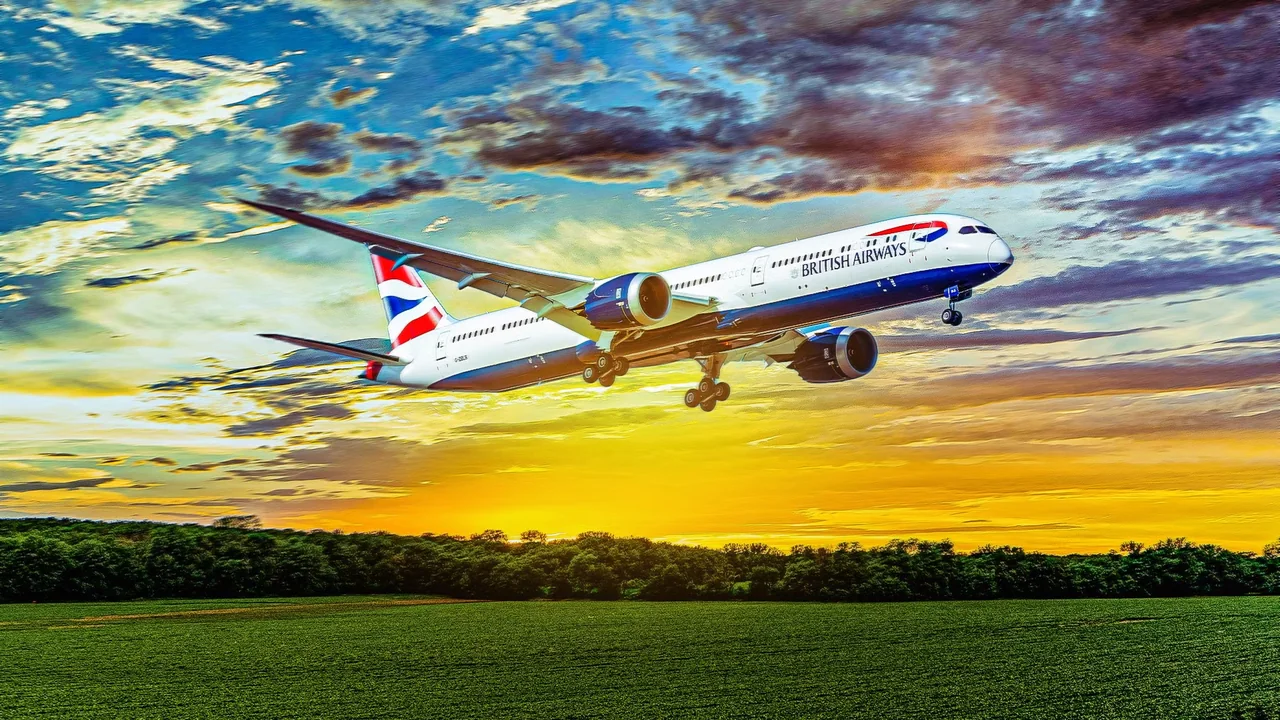
British Airways has struggled to meet its ambitious Starlink rollout targets due to a surprising cause: hangar space availability. Despite launching the free in-flight Wi-Fi service in March, the airline has only managed to equip five aircraft with the technology so far.
This slow pace puts British Airways' promise to fit more than 300 aircraft with Starlink by March 2028 in serious jeopardy. The carrier would complete fewer than 60 aircraft by that deadline if its current rate of progress continues.
The airline's immediate plan was to install Starlink on 12 Boeing 787-8s, but as reported earlier, it has managed only four additional installations since launch.

One of the selling points of Starlink is its ease and speed of installation, which the company claims is ten times faster to equip than conventional in-flight Wi-Fi systems.
However, British Airways' slow rollout pace is well behind industry benchmarks, with Emirates cited a rate of around 14 aircraft per month and United Airlines equipping roughly 40 planes per month across its regional fleet.
The cause of the delay is not a problem with the Starlink hardware or availability, but rather a lack of hangar space to carry out the work. British Airways has grappled with fleet reliability issues in recent years.

Consequently, its hangar space is already being heavily utilized to keep its fleet airworthy, reducing availability for Starlink installation work.
The problem is unlikely to improve in the coming months as the carrier enters its busy summer season, putting further strain on hangar and fleet availability.
British Airways has a large fleet of almost 300 aircraft, all of which are earmarked for Starlink capability within the next two years.

However, the airline's current pace puts this ambitious target in jeopardy, highlighting the need for more efficient management of its hangars and fleet resources.
seo_tags_addition
The slow rollout puts British Airways' promise in jeopardy, highlighting the importance of efficient hangar management.