


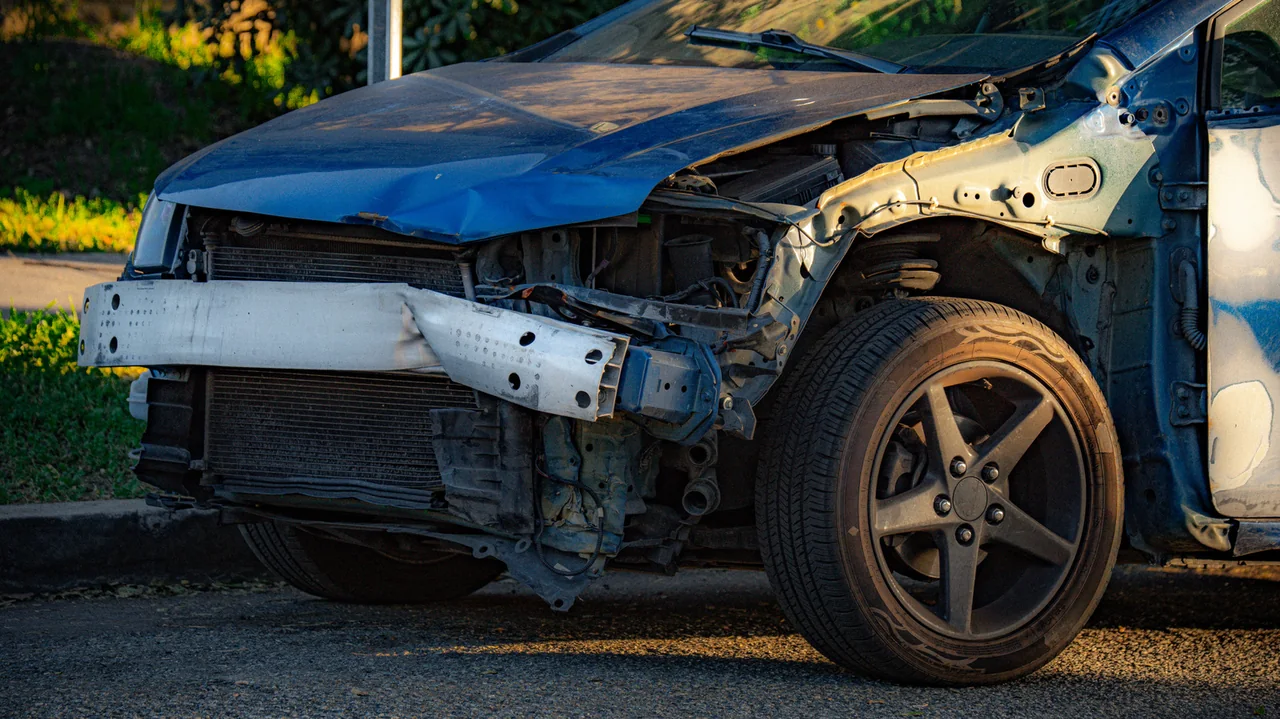
Frame damage is a critical concern for vehicle owners, as it can have far-reaching consequences on handling and occupant safety. The chassis, or frame, serves as the foundational structure of a car, and any compromise can lead to severe outcomes. In the event of an accident, collision coverage typically applies, but the decision to cover repairs depends on various factors, including the vehicle's actual cash value and how the damage occurred.
Insurers may approve repairs if the damage stems from a covered incident, but the critical word is 'may,' as they might also deem the car totaled. The insurer's assessment of severity plays a crucial role in determining whether to cover repairs or declare the vehicle a total loss.
The decision hinges on the vehicle's actual cash value, and if repair costs surpass this amount, insurers often declare it a total loss. This can result in a 'rebuilt' title, which typically loses resale value compared to clean title examples.
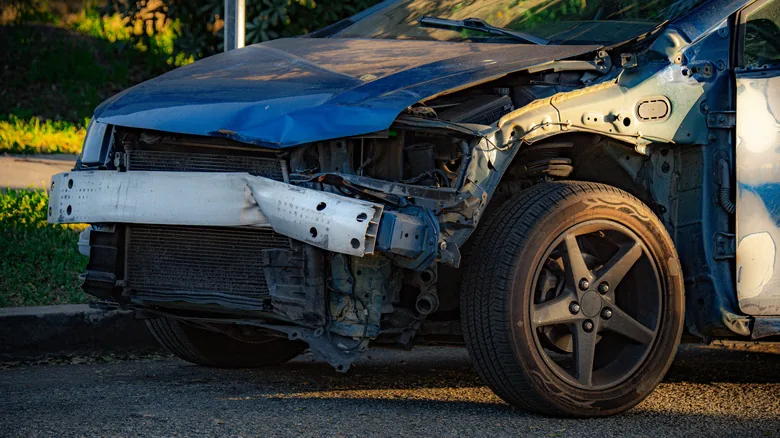
Used car dealers are required by some states to disclose whether a vehicle has been salvaged or structurally damaged, but private sellers may not be aware of prior damage if it occurred under a previous owner.
It's essential for privately sold cars to be inspected for frame damage to avoid worst-case scenarios. This can help prevent costly surprises down the road.
Insurers may refuse coverage for a car with pre-existing frame damage or reduce payouts by citing prior conditions. It's crucial to document your vehicle's condition before any accident to ensure you're not denied coverage.
Rust is another major exclusion, as frame damage caused by corrosion is typically not covered due to its non-accident-related nature.
Driving on a damaged frame can lead to compounding risks, including misalignment stresses the suspension, accelerates tire wear, and increases fuel consumption. Delayed repairs can result in more expensive downstream consequences.
The math, not sentiment, drives the outcome of whether an insurer covers frame damage repairs. Insurers assess each case individually, taking into account various factors to determine the best course of action.
Insurance companies assess each case individually.