


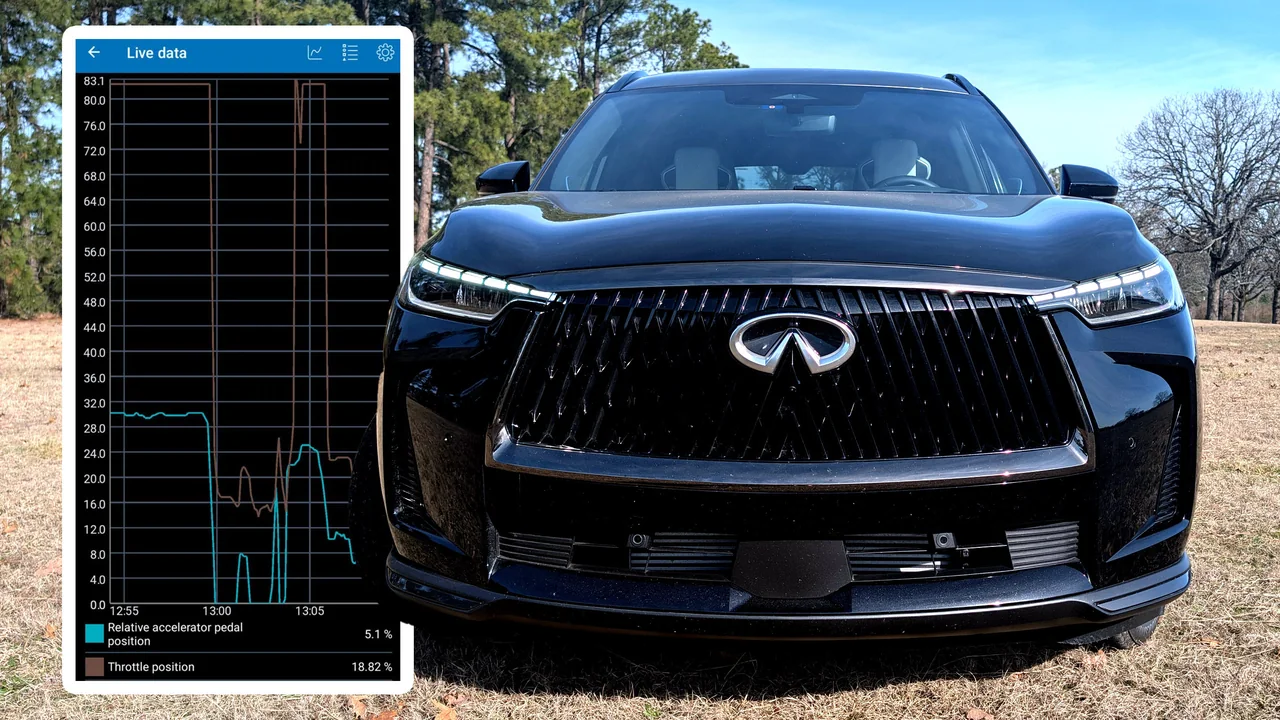
The latest development in the automotive industry is a groundbreaking system that allows the user's right foot to communicate directly with the engine. This innovative technology has sparked interest among engineers and experts, who see its potential to revolutionize the way vehicles operate. The system uses advanced sensors and algorithms to enable seamless communication between the foot and engine, allowing for more precise control and improved efficiency. As a result, drivers can expect enhanced performance, reduced emissions, and increased safety on the road.
The company behind this technology has filed a request for patent approval, marking an important milestone in its development. The patent application outlines the system's capabilities and potential applications, including the use of artificial intelligence to optimize engine performance. If approved, the technology could become a standard feature in vehicles, leading to significant improvements in fuel efficiency and emissions reduction.
The implications of this technology extend beyond vehicle performance, with potential benefits for road safety and environmental sustainability. By enabling more precise control over engine operation, drivers can reduce their risk of accidents caused by human error. Additionally, the reduced emissions generated by optimized engine performance could contribute significantly to a cleaner environment.
As we move forward in the development of this technology, it is essential to consider its potential impact on various industries and stakeholders. The automotive sector is already investing heavily in autonomous vehicles and advanced driver-assistance systems (ADAS), and this innovation could further accelerate these efforts. Moreover, the widespread adoption of self-driving cars could lead to significant changes in urban planning and infrastructure development.
The success of this technology will depend on its ability to address key challenges such as cost, complexity, and user acceptance. As with any new technology, there may be concerns about safety, reliability, and ease of use. However, the benefits of improved performance, efficiency, and safety make it an attractive solution for vehicle manufacturers and drivers alike.
The development of this system is a testament to human ingenuity and innovation in the automotive industry. By pushing the boundaries of what is possible, engineers and researchers are creating new opportunities for growth and improvement. As we continue to explore the potential of this technology, we can expect even more exciting advancements in the years to come.
The integration of advanced technologies like this into vehicles will require significant investments in research, development, and testing. However, the long-term benefits of improved safety, efficiency, and performance make it an investment worth considering. As the automotive industry continues to evolve, it is essential to prioritize innovation and technological advancements that can drive positive change.
The potential applications of this technology extend beyond vehicles themselves, with implications for various industries and stakeholders. For example, advanced driver-assistance systems (ADAS) could be integrated into other types of vehicles, such as bicycles or motorcycles, to improve safety and efficiency. Additionally, the development of more efficient engines could have a significant impact on the environment.
As we move forward in the development of this technology, it is crucial to prioritize responsible innovation and consideration for various stakeholders. The benefits of improved performance, efficiency, and safety make it an attractive solution for vehicle manufacturers and drivers alike. However, it is essential to address concerns about cost, complexity, and user acceptance to ensure widespread adoption.
The success of this technology will depend on its ability to deliver tangible benefits to drivers and the environment. By prioritizing innovation and technological advancements, we can create a safer, more efficient, and more sustainable transportation system for all.
Advances in automotive technology are leading to innovative solutions that improve vehicle performance and safety.