
While rallying and circuit racing may seem similar to some car enthusiasts, there are many individual differences between the two. The main objective is one of them: rallying is all about speed and efficiency over a set period of time, whereas circuit racing focuses on completing a certain number of laps or miles within a specific timeframe.
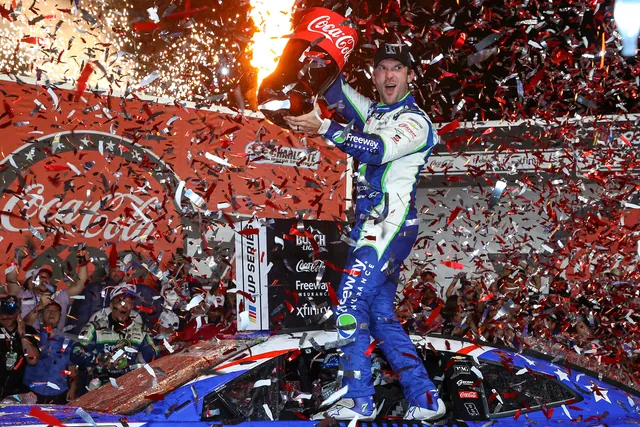
The event itself in rallying is typically broken down into various stages, lasting for multiple days, with drivers racing to cover the distance from point A to point B as quickly as possible. In contrast, circuit racing takes place on a smoothly surfaced closed track, where the checkered flag goes to whoever completes a set number of miles first.
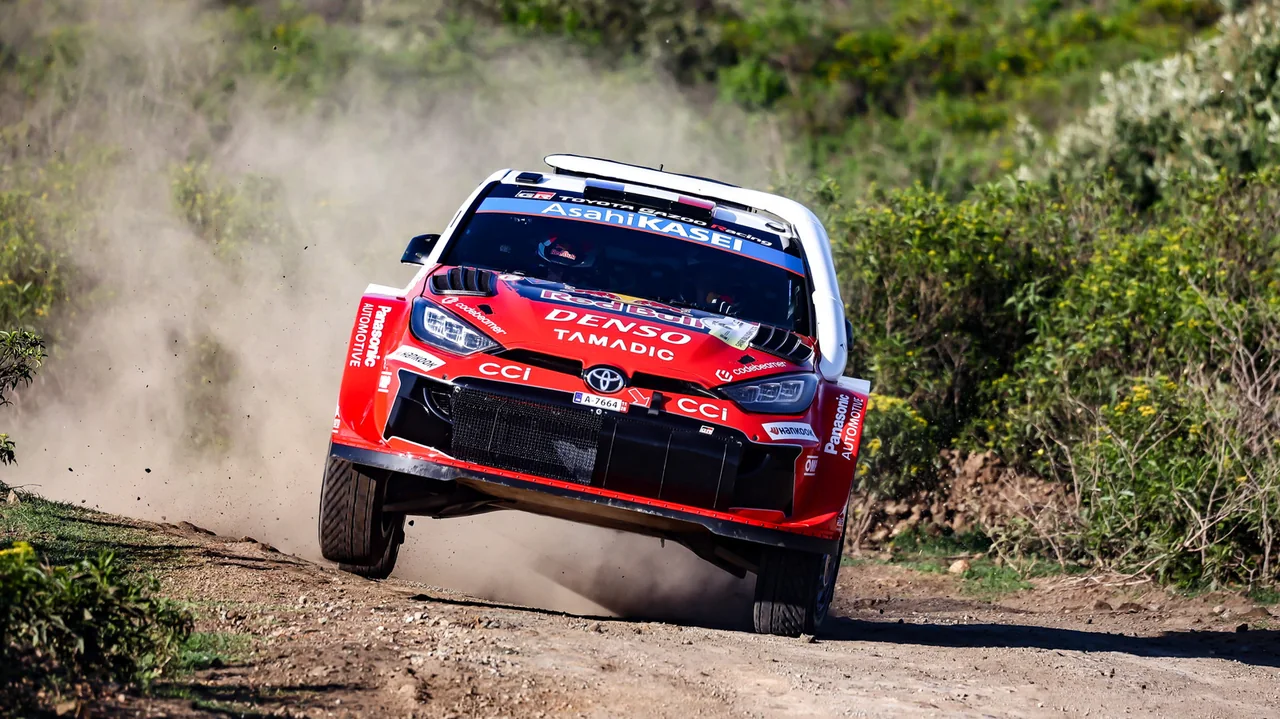
This difference in approach is reflected in the types of terrain and obstacles that each type of racing features. Rallies often include rugged trails, loose gravel, and desert sand, which require drivers to be skilled navigators as much as speedsters.
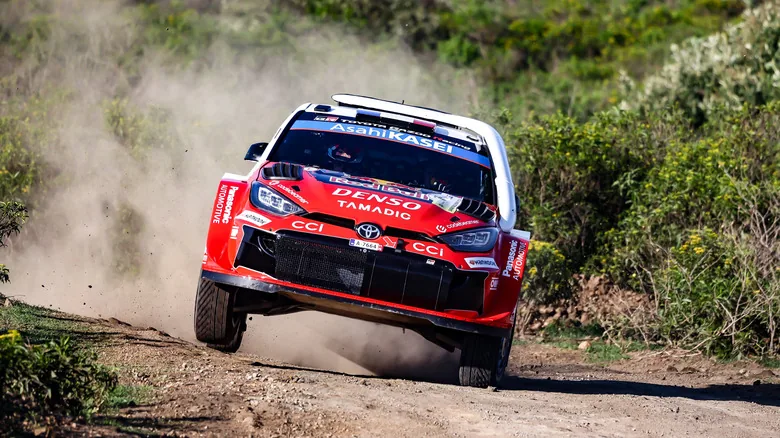
The varying approaches to driver assistance also highlight distinct challenges for each type of racing. In rallying, drivers are largely on their own when a car breaks down during the event, whereas in circuit racing, teams can pull in for repairs and get back in action relatively quickly.
Furthermore, rally drivers often have co-drivers who help them navigate the challenging terrain, which adds an extra layer of complexity to the competition. In contrast, circuit racers typically do not have this luxury.
The race cars themselves are also very different between rallying and circuit racing. Rally cars are usually modified versions of real road cars with four-wheel drive, but there is no one-size-fits-all approach to modifying them for circuit racing.
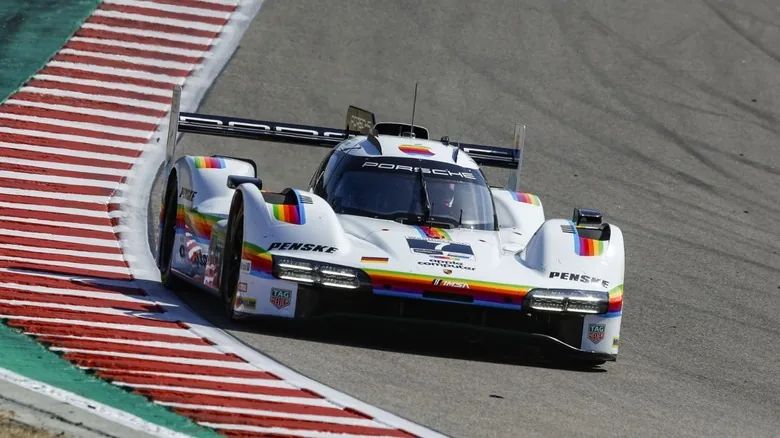
While rally racers often have unique suspensions to handle air time during jumps, circuit racers may use similar setups to improve their performance on the track. Additionally, both types of racing feature a wide range of drivers and teams, from amateur enthusiasts to professional athletes.
Ultimately, the differences between rallying and circuit racing reflect fundamental variations in approach, objective, and challenge. By understanding these distinctions, fans can appreciate the unique qualities of each type of racing and enjoy the excitement of competition in all its forms.
As the popularity of both types of racing continues to grow, it will be interesting to see how they continue to evolve and adapt to changing technologies and driver preferences.
The differences in objectives and approaches to driver assistance highlight distinct challenges for each type of racing.