

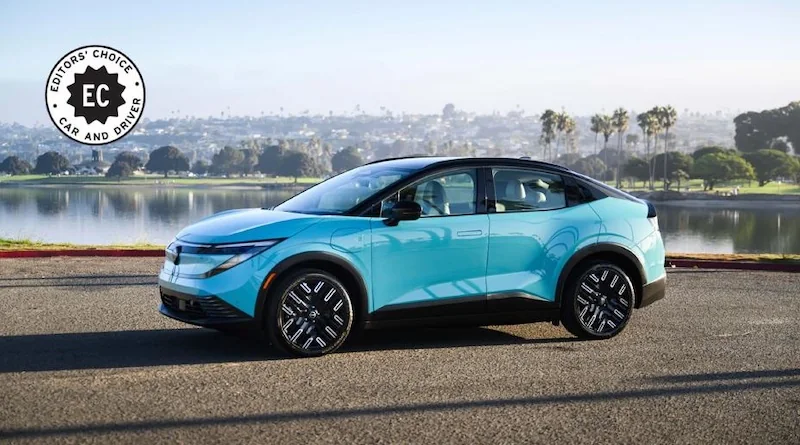
The news that Nissan UK will not expand into building EV powertrains at its factory in Sunderland, England, has sent shockwaves through the automotive industry. The reason behind this decision is reportedly due to low consumer demand for the new Nissan LEAF in Europe. This is a significant blow to the company's plans to establish itself as a major player in the European electric vehicle market. With the new LEAF boasting an attractive price and winning numerous awards, it's puzzling why more people aren't flocking to purchase this model.
The original Nissan LEAF was a trailblazer for the industry, leading the way in EV sales for several years. However, its initial lack of thermal management for the battery led to significant battery degradation issues. This controversy may still be lingering in the minds of potential buyers, causing them to question the reliability of the new model.
One possible explanation for low demand is that consumers are hesitant to invest in an electric vehicle due to concerns about battery performance. The Nissan LEAF's reputation for battery degradation may have created a perception problem, making it harder for the company to gain traction in the market.
The decision not to produce powertrains for the new Nissan LEAF in Europe also raises questions about the company's commitment to its electric vehicle lineup. With the automotive industry shifting towards more efficient and sustainable production methods, this move may indicate a broader shift towards more efficient EV production.
The Sunderland factory, which will no longer be producing powertrains for the LEAF, is expected to remain operational. However, the lack of investment in this facility highlights the challenges faced by Nissan UK in meeting consumer demand for electric vehicles.
The news has sparked debate about the future of electric vehicle adoption in Europe. With low demand for the new LEAF, it's clear that consumers are still grappling with concerns about battery performance and reliability.
One potential consequence of this decision is that other manufacturers may follow suit, opting to focus on more established markets or production facilities. This could lead to a consolidation of the European EV market, with fewer players competing for consumer attention.
The Nissan LEAF's competitive pricing and awards have made it an attractive option for many consumers. However, the lack of investment in its powertrain production highlights the challenges faced by the company in meeting demand for this model.
As the automotive industry continues to evolve, manufacturers must adapt to changing consumer preferences and technological advancements. The decision not to produce powertrains for the new LEAF is a significant blow to Nissan's plans, but it may also serve as an opportunity for the company to reassess its strategy and focus on more efficient production methods.
The news has sent ripples through the automotive industry, highlighting the complexities of the European EV market. As consumers become increasingly environmentally conscious, manufacturers must prioritize sustainability and reliability in their electric vehicle offerings.
The decision to exit the UK powertrain market may indicate a broader shift towards more efficient EV production.