

The parent company of Jeep, Stellantis, is considering building electric vehicles (EVs) in China and potentially exporting them to North America. This move has sparked concerns among s about the impact on local manufacturing and jobs. The decision could also affect the global EV market, as it would increase competition from Chinese manufacturers. Additionally, the expansion plans may lead to a shift in supply chains, making it more challenging for companies to manage their logistics and inventory.
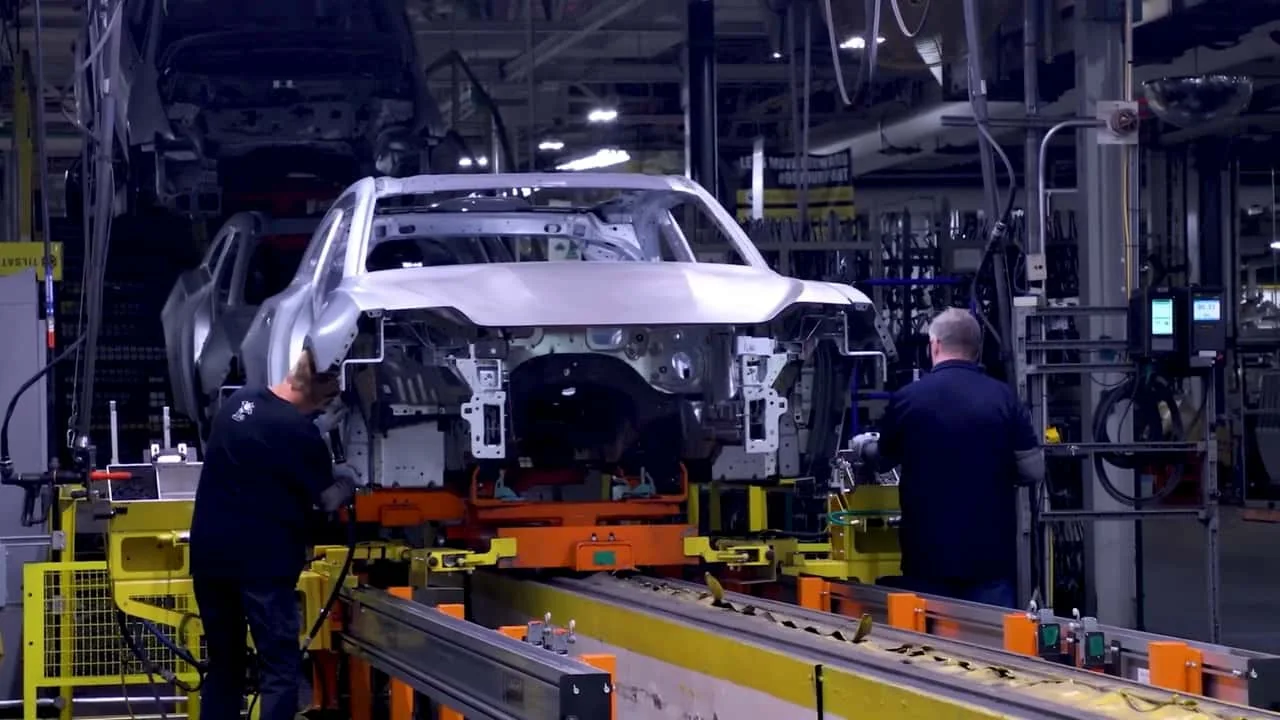
The Brompton plant in Canada has been idle since 2023, making it an ideal candidate for EV production. The plant's closure was likely due to the decline of traditional automotive manufacturing in the region. However, with the rise of electric vehicles, there is a growing demand for new production sites that can cater to this shift. Stellantis' decision to consider building EVs at Brompton could be seen as an attempt to tap into this emerging market.
Chinese investors are increasingly looking to expand their presence in North America, and the automotive sector is no exception. The government has been actively promoting foreign investment in the region, offering incentives such as tax breaks and subsidies to attract new businesses. Stellantis' plans to build EVs in China could be a response to these efforts, as it would allow the company to tap into this growing market and increase its global presence.
The expansion of EV production in North America is expected to have significant implications for the region's automotive industry. With more companies considering building new plants, there is a risk that jobs may be lost at existing facilities. However, the shift towards electric vehicles also presents opportunities for workers who are adapting to new technologies and processes.
Stellantis' decision to consider building EVs in China is not surprising, given the country's growing investment in the automotive sector. The Chinese government has been actively promoting domestic production of EVs, offering incentives such as subsidies and tax breaks to encourage companies to invest in the industry. This push has led to a surge in new plant openings and expansions across the region.
The potential impact on local manufacturing and jobs is a concern for many s. With more companies considering building new plants in China, there is a risk that workers may be displaced from existing facilities. However, the shift towards electric vehicles also presents opportunities for workers who are adapting to new technologies and processes.
Stellantis' plans to build EVs at Brompton could also have implications for the global EV market. With more companies entering the market, there is a risk that prices may drop, making it less competitive for established players. However, the expansion of EV production in North America could also lead to increased competition from Chinese manufacturers.
The decision by Stellantis to consider building EVs in China and potentially exporting them to North America has sparked concerns among s. The move is seen as a response to growing demand for electric vehicles and increasing competition from Chinese manufacturers. However, the impact on local manufacturing and jobs remains uncertain.
As the automotive sector continues to shift towards electric vehicles, companies are increasingly looking to new markets and production sites. Stellantis' decision to consider building EVs in China is just one example of this trend, and it could have significant implications for the industry in the years to come.