


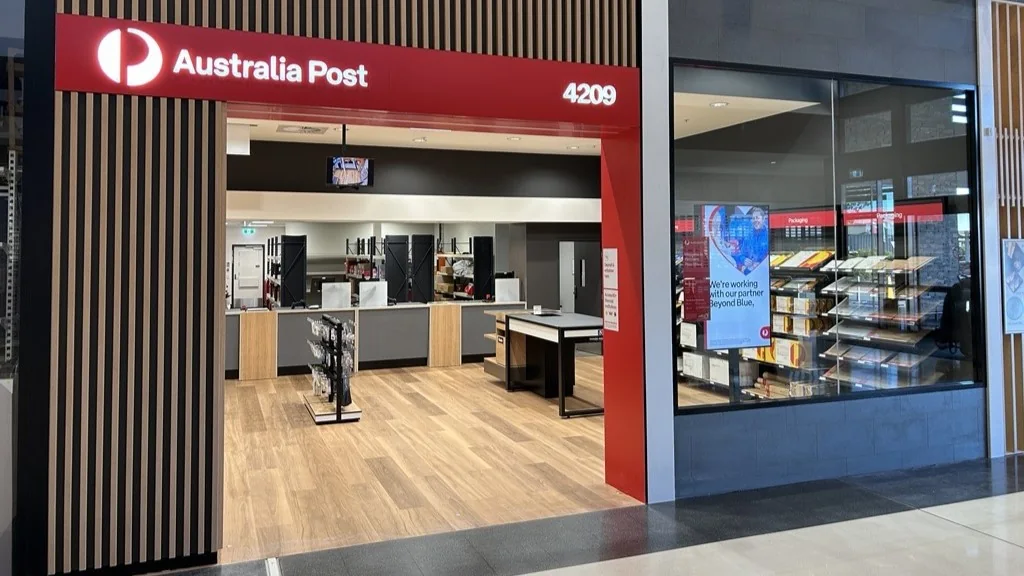
Australia Post has announced plans to raise the basic postage rate from AUS$1.70 to $1.85, an 8.8% increase. The national post said Monday it needs to charge higher prices for letter mail to help address losses stemming from the ongoing decline in letter volumes. This move is part of a broader trend being experienced by mail operators around the world. As people increasingly shift to digital alternatives, businesses and government agencies are now mailing fewer letters than ever before. The decline in mail volumes is expected to continue, with Australia Post facing significant losses due to this trend.
The decline in letter volumes has been particularly sharp, dropping 11.75% in fiscal year 2025 and reaching levels not seen since the late 1930s. Fewer than 3% of letters are sent by residents, while the majority are mailed by businesses and government agencies. This shift towards digital communication is a global phenomenon, with the U.S. Postal Service also planning to raise stamp prices by 4.8% this summer.
Australian households, on average, purchase five full rate stamps each year, and the cost impact of the proposed increase is expected to add 75 cents to the total spend per year. Despite the price hike, Australians will still have some of the lowest stamp prices in the developed world, according to Australia Post.

The postal industry is facing significant challenges due to the decline in mail volumes. To address these losses, operators are increasingly focusing on parcel business to increase revenues. This shift towards e-commerce and online shopping has created new opportunities for postal services to diversify their revenue streams.
As the postal industry continues to adapt to changing consumer habits, it will be interesting to see how Australia Post's price hike affects its bottom line. With the rise of digital communication, it is clear that the traditional mail service model is no longer sufficient.
The decision to raise stamp prices reflects a broader trend in the postal industry towards greater efficiency and cost-cutting measures. By focusing on parcel business and reducing costs, operators can stay competitive in a rapidly changing market.
Australia Post's move is also part of a global effort to address declining mail volumes. As the industry continues to evolve, it will be important for policymakers and regulators to ensure that postal services remain viable and accessible to consumers.
The impact of the price hike on Australian households will be felt by those who rely on letter mail for personal or business purposes. While some may see this as a necessary adjustment, others may feel the pinch of higher stamp prices.
As the world becomes increasingly digital, it is clear that the traditional postal service model must adapt to survive. By embracing new technologies and diversifying their revenue streams, operators can ensure a sustainable future for mail services.
The postal industry is shifting focus to parcel business to increase revenues.