


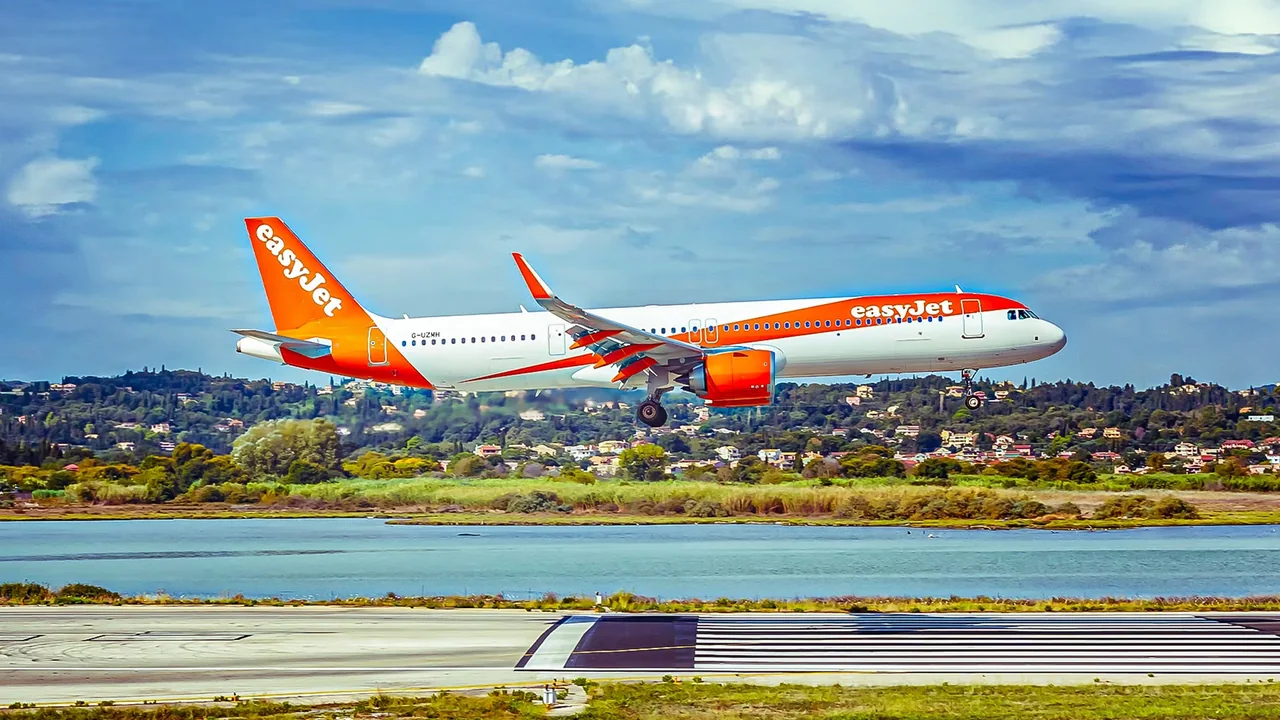
The low-cost airline model has been a staple of modern aviation, with airlines relying heavily on ancillary revenue to increase their thin margins. However, this practice can sometimes go too far, as seen in the case of easyjet, which is currently under scrutiny from Italian authorities over its baggage add-on practices.
Easyjet's reliance on bundled purchases has raised concerns among passengers, who may be forced to overpay for add-ons if they do not manually override the default options. This practice can lead to a distorted picture of prices, particularly for one-way journeys or bookings with only checked luggage.
The airline's website highlights that fees vary with demand, route, flight date and time of booking, but assures guests that they will see the exact price at the time of purchase. However, this phrasing may be seen as misleading, as it does not provide a clear picture of prices for all add-ons.

Sports equipment is one area where easyjet is more consistent in its pricing, with small pieces costing £42 when booked online or £52 at the airport. Large pieces of sports equipment command higher prices, but these figures do vary depending on the route and booking details.
The probe into easyjet's practices has raised questions about transparency and fairness in airline sales. Passengers may not be aware of the full implications of bundled purchases, which can lead to confusion and frustration.
In recent years, low-cost airlines have become increasingly reliant on ancillary revenue to increase their profits. This practice has led to concerns among regulators and passengers alike, who argue that it can lead to unfair business practices.

The airline industry's reliance on ancillary revenue is a complex issue, with some arguing that it is necessary for low-cost carriers to remain competitive. However, others argue that it can lead to exploitation of passengers.
easyjet's commitment to transparency and fairness is under scrutiny as the airline cooperates with Italian authorities throughout their investigation. The outcome of this probe will be closely watched by the industry, which may have implications for other airlines' practices.
The case highlights the need for greater clarity and transparency in airline sales, particularly when it comes to ancillary revenue. Passengers deserve to know exactly what they are paying for, and regulators must ensure that airlines comply with consumer laws and regulations.

The airline industry's reliance on ancillary revenue can sometimes lead to unfair business practices.