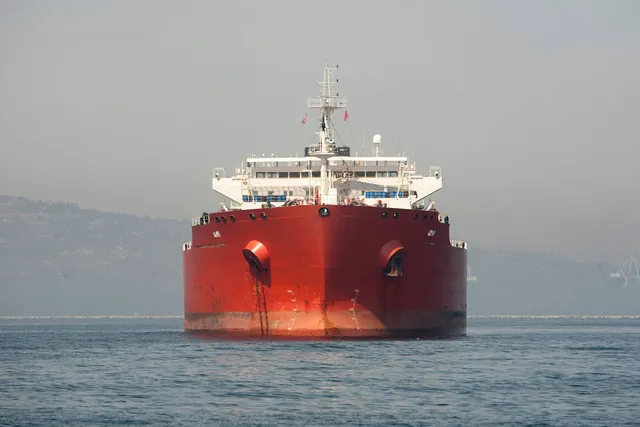


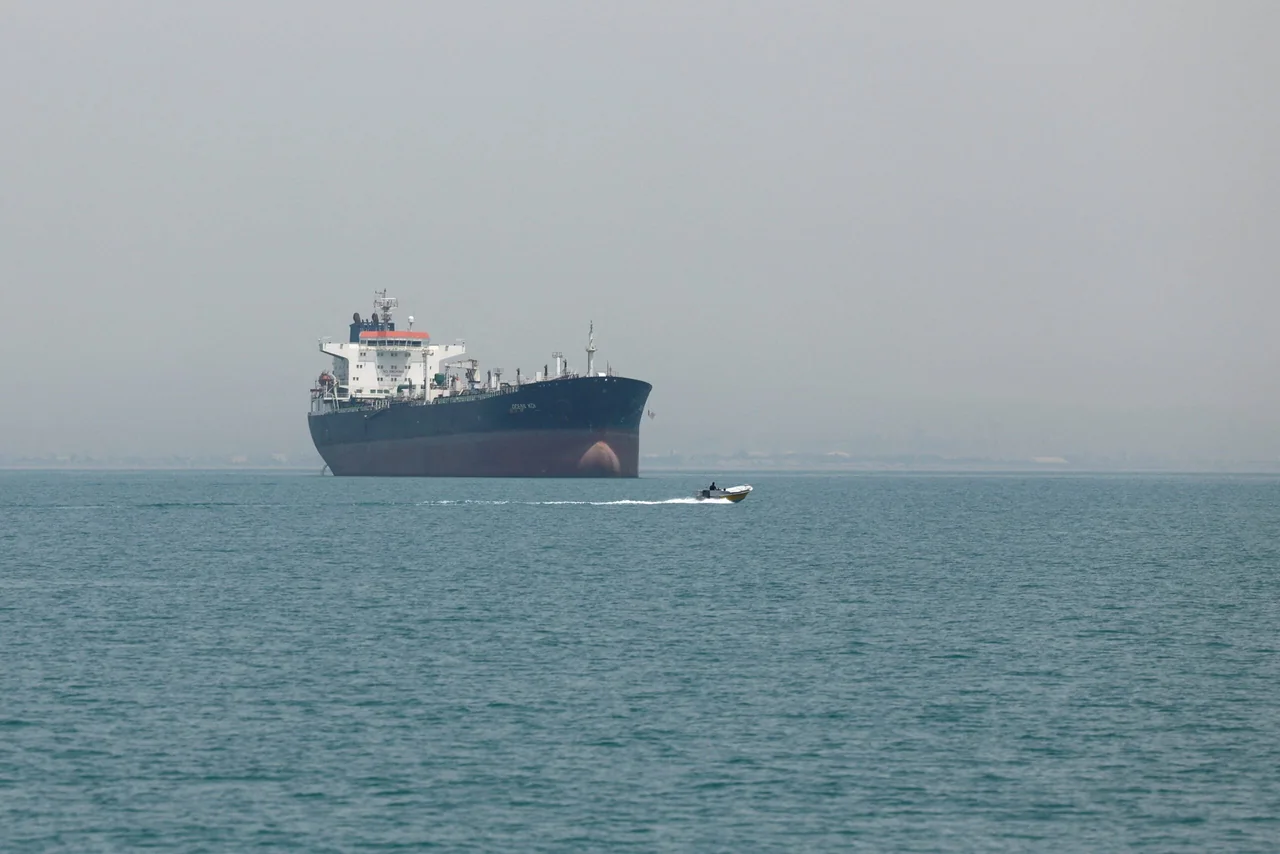
The U.S. Treasury Department has formally sanctioned Iran's Persian Gulf Strait Authority (PGSA) for allegedly extorting commercial vessels transiting the Strait of Hormuz.
This action marks a major escalation in Washington's response to Iran's emerging effort to impose a permission-based transit regime in one of the world's most strategically important shipping chokepoints.
The PGSA is accused of coordinating directly with the Islamic Revolutionary Guard Corps (IRGC) and IRGC Navy to force vessels to follow Iranian-designated routes near Iran's coastline while charging illegitimate fees for passage through the strait.
This move reflects growing financial pressure on Tehran under the Trump administration's Economic Fury sanctions campaign, which has left the regime desperate for cash.
The sanctions announcement comes after weeks of mounting concern across the maritime industry over Iran's attempts to formalize control over commercial shipping through Hormuz.
Shipping executives and maritime security firms have warned that the development amounts to an attempt by Tehran to create a de facto toll and control regime over international shipping lanes.
The U.S. Treasury Department has provided the clearest description yet of how the system allegedly works, with vessels required to submit sensitive operational information to Iranian authorities and follow routing instructions coordinated with the IRGC Navy in exchange for safe passage.
Prohibited transactions may include not only direct cash payments but also digital assets, offsets, informal swaps, charitable donations, and other in-kind arrangements tied to Iranian entities.
The sanctions action places growing pressure on shipowners, insurers, and other companies that do business with Iran.
The escalation in tensions over the Strait of Hormuz highlights the need for increased maritime security measures.