

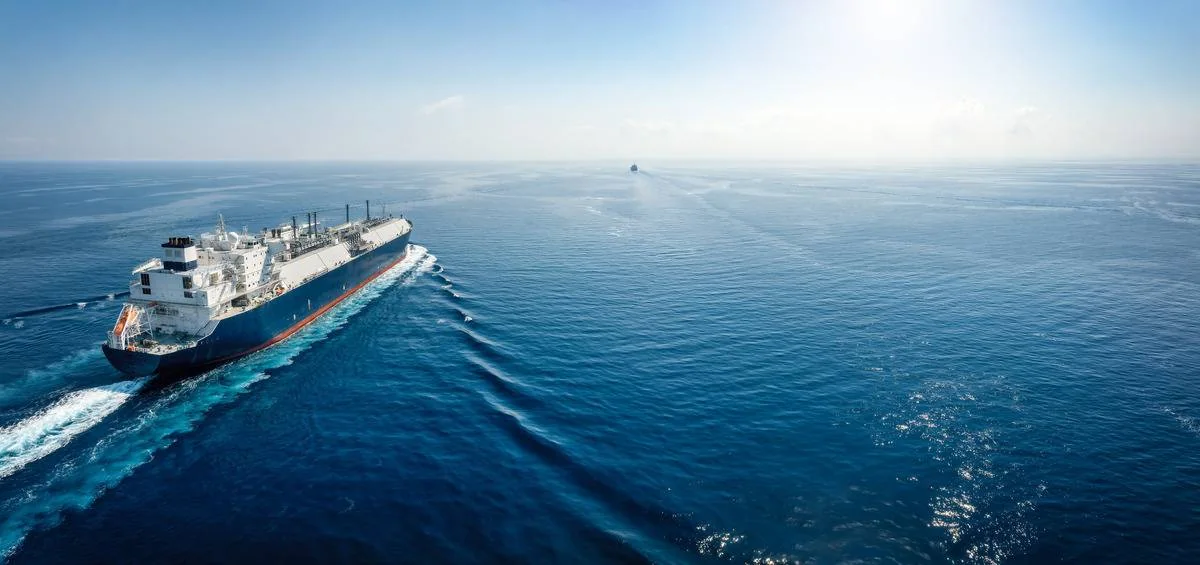
The Strait of Hormuz has seen a significant decrease in tanker traffic recently, with two supertankers and one LNG tanker exiting the area with their transponders switched off.
The vessels are heading towards India and China, indicating that they may be attempting to avoid the conflict zone. This development comes as oil and LNG traffic through the Strait of Hormuz has been severely curtailed due to the ongoing U.S.-Israeli war on Iran.
Two supertankers, the Eagle Veracruz and Nissos Keros, are carrying large quantities of crude and Das crude respectively, bound for Indian ports. The vessels are expected to arrive at their destinations in June, with the Eagle Veracruz arriving at Quanzhou port in Fujian province on June 16.
The limited oil and LNG traffic in the Gulf is a result of the ongoing conflict, which has made it difficult for ships to navigate through the Strait of Hormuz. The situation has also led to concerns about the safety of seafarers working in the area.
About 20,000 seafarers remain stranded on hundreds of ships in the Gulf, waiting for permission to clear the region. This is a significant concern for shipping companies and governments alike, as it can have a major impact on global oil supplies.
The U.S.-Israeli war on Iran has had a profound impact on global energy markets. The conflict has led to increased tensions between countries, which can affect the stability of international trade.
Shipping companies are taking steps to avoid the conflict zone by switching off their transponders and changing their routes. However, this may not be enough to completely mitigate the risks associated with shipping through the Strait of Hormuz.
The situation in the Strait of Hormuz is a reminder of the importance of international cooperation and diplomacy in resolving conflicts that affect global trade. It also highlights the need for shipping companies to take proactive steps to ensure their safety and security.
The ongoing conflict has also led to increased scrutiny of shipping companies' safety protocols and emergency response plans. As the situation continues to evolve, it is likely that we will see further changes in the way that ships navigate through the Strait of Hormuz.
In the meantime, shipping companies must prioritize the safety of their crew and cargo, while also taking steps to minimize the risks associated with shipping through a conflict zone.
The Strait of Hormuz has become a high-risk area for shipping due to the ongoing conflict.