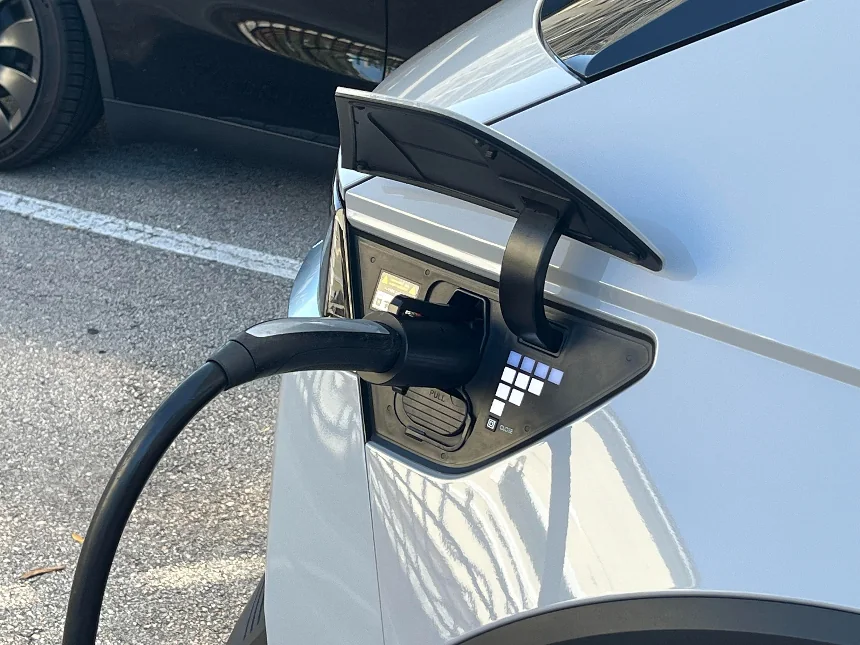
The California Energy Commission has announced $55.2 million in new funding to expand public EV fast charging infrastructure in the state. The funding will support the installation of up to 1,000 direct current charging ports across the two application periods. This investment is crucial for widespread EV adoption and will help reduce emissions from the transportation sector.
The current public EV charger landscape in California has a significant shortage of fast chargers, with most existing chargers being Level 2 chargers. To support longer trips, more fast chargers are needed to ensure safe and convenient travel for EV owners. The new funding will help address this gap and provide a better charging experience for drivers.
The Center for Sustainable Energy's Senior Manager, Bailey Muller, has highlighted the importance of publicly accessible DC fast chargers in supporting EV adoption. These chargers are essential infrastructure that can be installed in eligible locations across California, with prioritization given to low-income, disadvantaged, and tribal communities.
Prioritizing these communities will help address the historical disparities in access to transportation infrastructure. By providing charging opportunities in underserved areas, the new funding will support renters and drivers who lack access to home charging, improve charging access in these communities, and accelerate emissions reductions from the transportation sector.
The $55 million investment is a significant step towards creating a more equitable and sustainable transportation system in California. By supporting the installation of fast chargers in disadvantaged areas, the state can help overcome high upfront costs and fill charging gaps that may not be addressed by the private market.
According to Bailey Muller, all applications will be processed on a first-come, first-served basis within the application window periods. This means that projects will need to be installed and commissioned within 450 days of funding reservation. The average energization timeline for chargers to date has been 103 days.
The new fast charger funding will also prioritize the installation of chargers in disadvantaged communities. In the most recent Fast Charge California Project window, 64% of all installations were in low-income, disadvantaged, or tribal lands. This focus on underserved areas will help address historical disparities and provide a more equitable charging experience for drivers.
The $55 million investment is expected to have a significant impact on EV adoption in California. By providing fast chargers in convenient locations, the state can support longer trips and reduce emissions from the transportation sector. As the transportation sector continues to evolve, investments like this will be crucial for creating a sustainable and equitable future.
Overall, the new funding is a critical step towards supporting widespread EV adoption in California. By investing in fast chargers and prioritizing disadvantaged communities, the state can help overcome high upfront costs and fill charging gaps that may not be addressed by the private market. This investment will have a lasting impact on the transportation sector and contribute to a more sustainable future.
This investment will help overcome high upfront costs and fill charging gaps in underserved communities.