

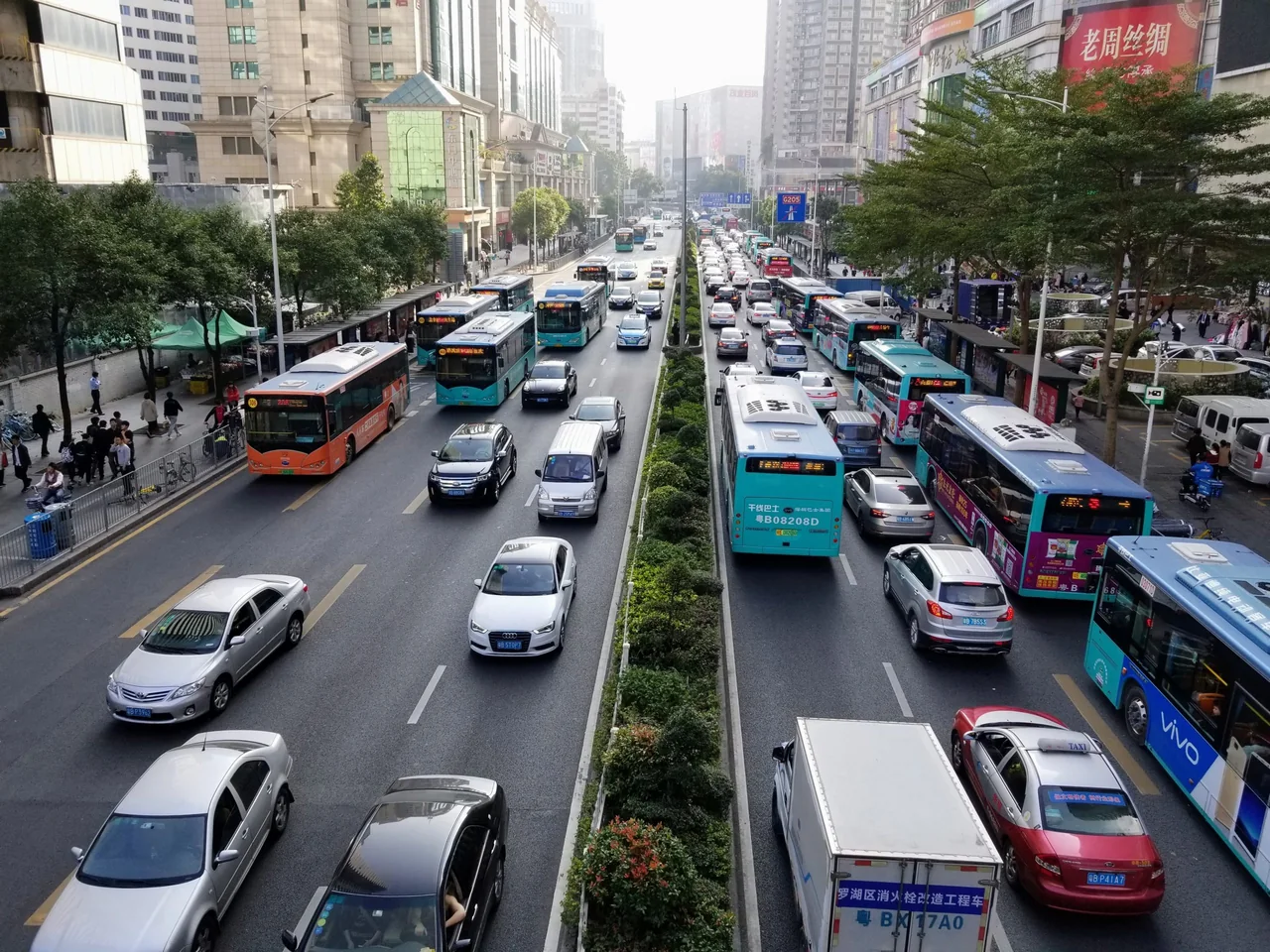
The electrification of public transportation is often overlooked in favor of personal vehicles, but the benefits of electric fleet vehicles cannot be ignored. Diesel buses, which dominate the industry, generate toxic air pollution that harms human health and contributes to climate change. In contrast, electric buses can operate on clean, renewable electricity from sources like solar power, wind power, and hydropower, making them a healthier alternative for passengers and bus drivers alike.
The growth of electric buses in Latin America is a significant development in the region's transportation sector. With over 9,900 electric buses now operating, the trend is clear: public transportation is shifting towards cleaner, more sustainable options. This shift has major implications for air quality and public health, particularly in urban areas where diesel buses are most prevalent.
The top bus manufacturers in Latin America are Chinese companies BYD, Foton, Yutong Bus, and Zhongtong Bus, which unsurprisingly dominate the market given their experience with electric vehicles. However, it's worth noting that other countries may also be investing in electric buses, as the technology continues to improve and costs decrease.
Electric buses can be used to store electricity for backup power in virtual power plants, reducing reliance on the grid and providing a cleaner source of energy. Additionally, they eliminate the health risks associated with diesel exhaust and fumes, which are known to cause respiratory problems and other health issues.
The vision for a more sustainable future is clear: electric vehicles, both personal and fleet vehicles, combined with clean, renewable electricity and energy storage. As the number of electric buses continues to grow, we can expect healthier air quality and reduced greenhouse gas emissions in urban areas.
Santiago, Chile, may already have over 4,000 electric buses, while Copenhagen, Denmark has achieved a remarkable 100 percent electric bus fleet. These cities demonstrate that electric buses are not only viable but also desirable options for public transportation.
The long-term goal of replacing all gas and diesel buses with clean, electric buses is becoming increasingly feasible. As technology improves and costs decrease, we can expect to see more cities and countries adopting electric buses as a preferred mode of public transportation.
Clean energy sources like solar power, wind power, and hydropower are being used to generate electricity for electric buses, reducing reliance on imported fossil fuels and lowering emissions. This shift towards clean energy is critical for addressing climate change and improving air quality.
As the number of electric buses continues to grow, so too will the benefits of cleaner air and reduced greenhouse gas emissions. Electric buses offer a cleaner alternative to traditional diesel buses, making them an attractive option for cities and countries looking to improve public health and reduce their environmental footprint.
Electric buses offer a cleaner alternative to traditional diesel buses.