

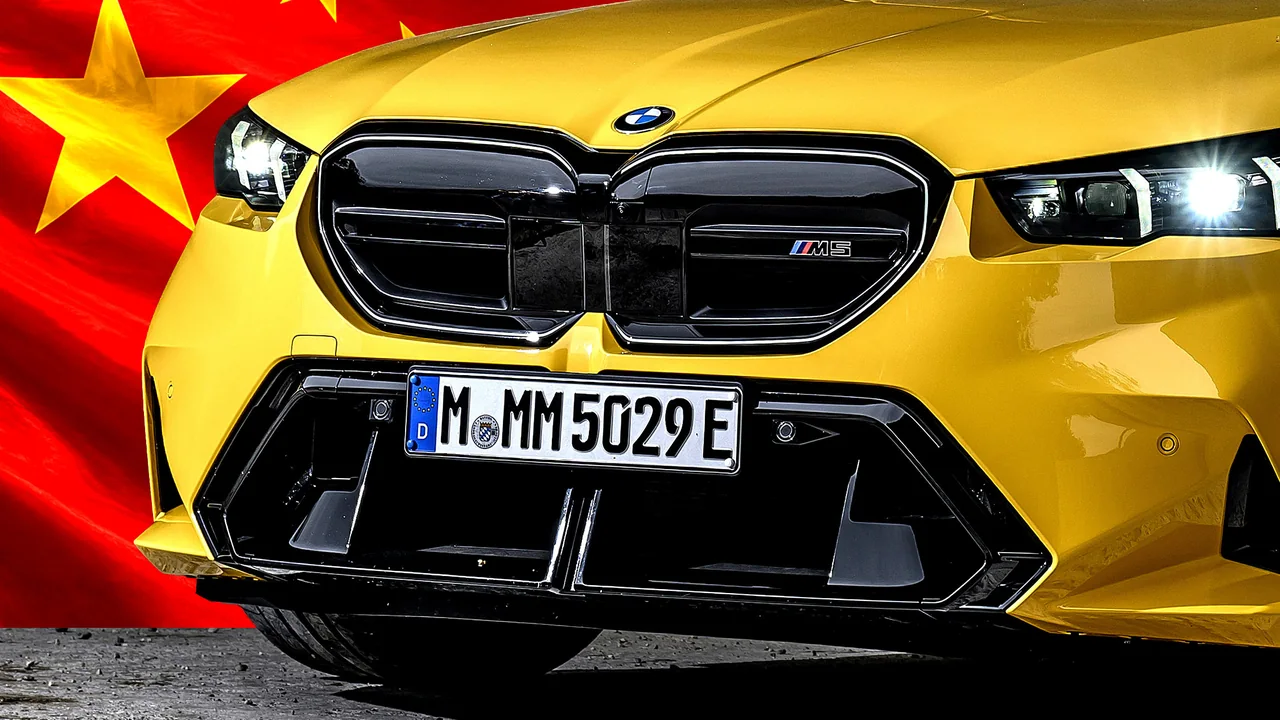
The Chinese government has officially ended its support for Plug-in Hybrid Electric Vehicles (PHEVs), a shift that will have far-reaching implications for the global automotive industry. As of January 1st, China no longer offers subsidies or tax incentives for PHEV purchases. This move marks a significant turning point in the country's approach to electric vehicles, as it shifts its focus towards fully electric models. The decision is expected to send shockwaves throughout the industry, particularly among luxury brands that have heavily invested in PHEV technology. With China being one of the world's largest automotive markets, this change will undoubtedly impact global sales and pricing strategies for these companies.
The Chinese government's decision to abandon PHEVs is seen as a strategic move to accelerate the adoption of electric vehicles. By eliminating subsidies and tax incentives, Beijing aims to encourage consumers to opt for fully electric models, which are expected to become increasingly competitive in terms of range, performance, and affordability. This shift towards EVs is also driven by concerns over air pollution and climate change, as China seeks to reduce its carbon footprint and become a global leader in sustainable transportation.
Luxury brands such as BMW, Mercedes-Benz, and Audi have heavily invested in PHEV technology, with many models already available on the market. However, these vehicles are now facing significant price hikes as a result of the Chinese government's decision. With China being one of the largest luxury car markets, this change will undoubtedly impact sales and profitability for these companies. The shift towards EVs also raises questions about the long-term viability of PHEV technology, particularly if it is no longer seen as a viable alternative to fully electric models.
The impact of China's decision on the global automotive industry extends beyond luxury brands. As the country shifts its focus towards EVs, other manufacturers will need to adapt their product lines and strategies to remain competitive. This may involve investing in new technologies, such as battery development and charging infrastructure, or exploring alternative markets where PHEV demand remains strong.
The shift towards EVs is also driven by technological advancements, with many companies investing heavily in research and development of new battery technologies. These innovations are expected to improve the range, performance, and affordability of electric vehicles, making them increasingly competitive with traditional internal combustion engine models.
As the world's largest automotive market, China plays a critical role in shaping global industry trends. The country's decision to abandon PHEVs is seen as a significant turning point in the evolution of the automotive industry, with far-reaching implications for companies and consumers alike.
The move also raises questions about the future of plug-in hybrid technology, particularly if it is no longer seen as a viable alternative to fully electric models. As the industry shifts towards EVs, manufacturers will need to carefully consider their product lines and strategies to remain competitive in this rapidly changing market.
With China's focus on EVs, other countries may follow suit, leading to a significant shift in global automotive trends. This could have far-reaching implications for companies and consumers alike, as the industry continues to evolve and adapt to changing consumer demands and technological advancements.
The decision by the Chinese government to abandon PHEVs marks an important turning point in the evolution of the automotive industry. As the world's largest automotive market, China plays a critical role in shaping global trends, and this move is expected to have significant implications for companies and consumers alike.
s weigh in on the impact.