

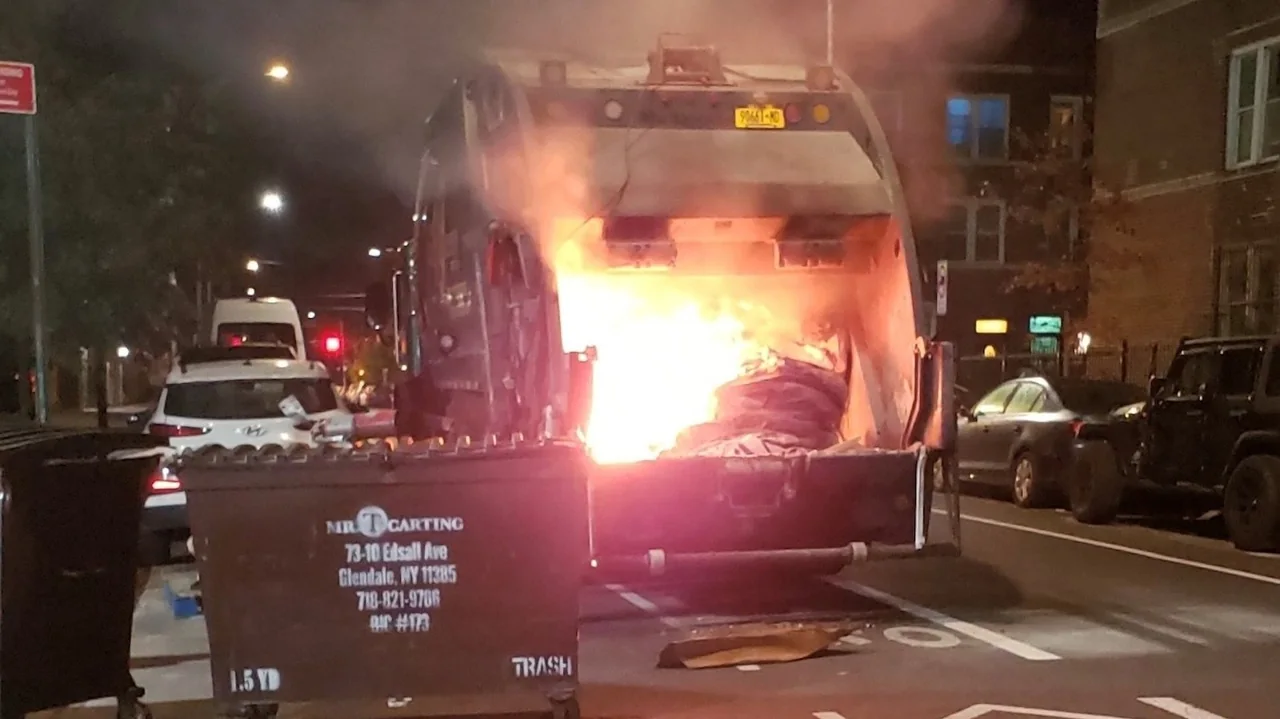
Despite being a known issue for years, garbage trucks continue to catch fire due to improper disposal of lithium-ion batteries. In May, a Brooklyn garbage truck caught fire, injuring two sanitation workers moderately. The battery was identified as the likely cause, despite it being illegal to dispose of them in trash or recycling. This incident highlights the ongoing challenge faced by sanitation departments nationwide.
Lithium-ion battery fires have been reported in various cities across the United States, including New York City and Roseville, California. According to the National Fire Protection Association, NYC alone saw 800 lithium-ion battery fires between 2022 and 2025, resulting in 30 deaths and 400 injuries. The rapid spread of these fires is a significant concern due to their toxic nature.
The Transportation Security Administration (TSA) has restrictions on storing lithium-ion batteries in checked luggage, highlighting the risks associated with these devices. When crushed or compacted, lithium-ion batteries can ignite rapidly, posing a threat to sanitation workers and public safety.
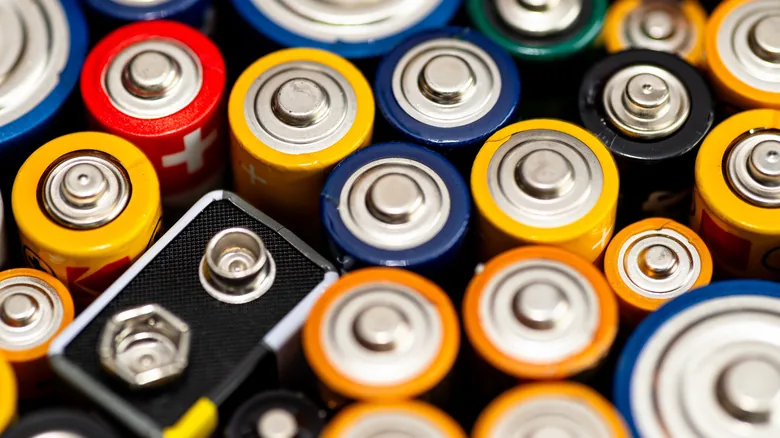
Lithium-ion battery fires have been a persistent issue for waste management departments across the country. The City of Roseville recently experienced its fourth garbage truck fire this year due to improper disposal of these batteries. Similarly, the Troy, Michigan fire department had to dump its load onto the road after a pile of batteries inside started catching fire.
The science behind lithium-ion battery fires is rooted in internal short circuits triggered by physical damage or separation of the anode and cathode. This creates instant heat, which can cause chemical decomposition of the electrolyte and release flammable gases.
So, what should be done with lithium-ion batteries? In NYC, residents are advised to bring them to designated drop-off sites, such as Staples stores and Duane Reade pharmacies. Batteries should be bagged or covered with tape to prevent accidental ignition.
The process of disposing of lithium-ion batteries may seem inconvenient, but it is a necessary precautionary measure to protect sanitation workers and public safety. By taking the time to properly dispose of these devices, residents can help mitigate the risks associated with their disposal.
Sanitation departments face an ongoing challenge in managing waste management due to the flammable nature of lithium-ion batteries. Education and awareness campaigns are crucial in promoting responsible disposal practices and reducing the risk of fires.
The importance of proper disposal practices cannot be overstated, especially when it comes to hazardous materials like lithium-ion batteries. By taking a few simple steps, residents can help prevent accidents and ensure public safety.
The use of lithium-ion batteries in waste management poses significant risks due to their flammable nature.