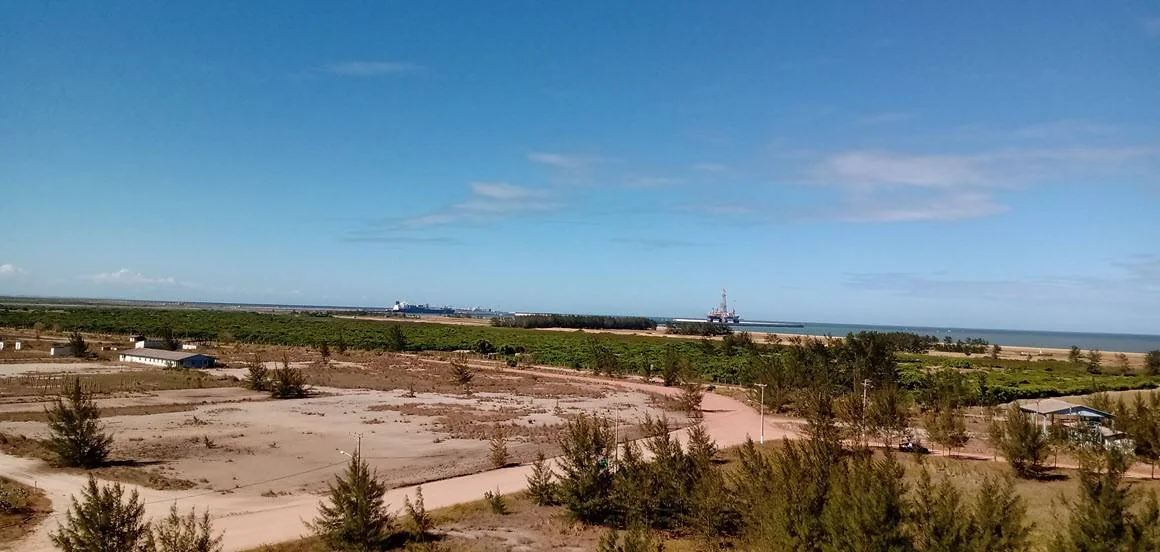
A new consortium has been established to create a green shipping corridor between the Port of Açu in Brazil and the Port of Antwerp-Bruges in Belgium. The partnership involves several key players, including HIF Global, Fuella, NYK Line, Höegh Autoliners, and Wallenius Wilhelmsen. The consortium will work to assess infrastructure, vessels, and business models to create a roadmap for transporting zero-carbon fuels produced in Açu.
The new corridor aims to transport e-ammonia or e-methanol, which would be powered by the same zero- or near-zero-emission fuels. This move is part of a growing trend towards sustainable logistics and reduced greenhouse gas emissions from shipping. The consortium's efforts are expected to have a significant impact on the global maritime industry.
The green corridor project builds on previous studies conducted by RMI and the Global Maritime Forum, which highlighted the competitive projected costs of e-fuel produced in Açu. The country's supportive policies for green hydrogen production, renewable electricity grid, and abundant renewable energy sources are key drivers behind this initiative.
A 2024 report from RMI and the Global Maritime Forum identified the Port of Açu as a high-potential e-fuel export hub. This report also underscored the importance of establishing sustainable shipping corridors to reduce emissions and promote green growth.
The consortium's work is expected to progress beyond pre-feasibility, with a feasibility analysis scheduled for publication by the end of the year. Regular meetings between consortium members will continue to facilitate the project's development.
As the global maritime industry shifts towards more sustainable practices, initiatives like this green shipping corridor are crucial. The successful implementation of such corridors could lead to significant reductions in greenhouse gas emissions and promote a more environmentally friendly supply chain.
The partnership's success depends on various factors, including infrastructure development, vessel upgrades, and business model innovations. However, with the right combination of these elements, the potential for this project is substantial.
The consortium's efforts are also expected to contribute to Brazil's growing reputation as a leader in sustainable logistics and green energy production. The country's supportive policies and abundant renewable resources make it an attractive location for e-fuel production.
Ultimately, the establishment of a green shipping corridor between Brazil and Belgium has the potential to transform the global maritime industry. By reducing emissions and promoting sustainable growth, this project can help create a more environmentally friendly future for shipping.