
The Union Pacific-Southern Pacific merger has sparked controversy, with the Surface Transportation Board urging the STB to apply strict scrutiny to the proposed $72 billion deal. The merger, which would create the first all-freight transcontinental railroad, must prove it enhances shipper options rather than just preserving current competition.
This condition is a significant concern for industry stakeholders, as it could impact the future of rail transportation in the United States. The STB's rigorous 2001 rules are designed to ensure that mergers do not harm competition or consumer choice.
While the STB conditionally accepted the application in late May, it has requested additional information from Union Pacific by July 27 before starting its formal review. This delay could have significant implications for the merger timeline and the overall impact on the industry.

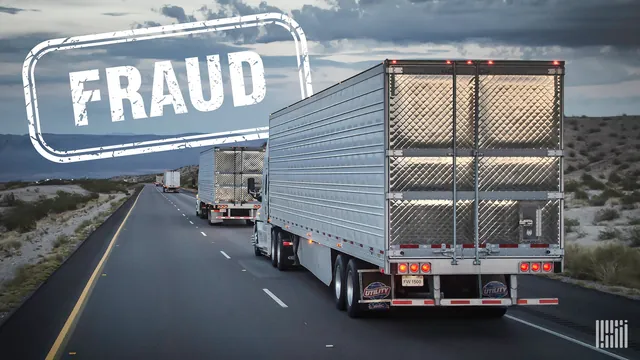
Meanwhile, another issue is gaining attention: cargo security concerns. A recent carrier impersonation scheme resulted in $4.49 million in stolen freight, highlighting the need for increased vigilance and cooperation among stakeholders.
The Federal Motor Carrier Safety Administration's (FMCSA) new 'Modus' carrier registry has hit a major roadblock, completely failing to register a single carrier in the three weeks since its launch. This glitch has drawn intense complaints across social media and raises concerns about the effectiveness of the system.
Analysts speculate that this complete failure may be due to inadequate testing or insufficient resources allocated to the project. The FMCSA must address these issues promptly to ensure the success of the registry.
In other news, FedEx Corporate has signed a strategic memorandum of understanding with China Southern Airlines to optimize their collective networks in Asia. This collaboration aims to improve network efficiency through capacity sharing, ground operations, and digitalization.
This alliance aligns with FedEx's major expansion of its Guangzhou hub, a project slated for completion next year that will double the facility's terminal footprint and triple hourly sorting capacity. The partnership also highlights the growing importance of strategic partnerships in the transportation industry.
As the transportation industry continues to evolve, it is essential for stakeholders to prioritize cooperation, innovation, and regulatory oversight to address these challenges and ensure a safe and efficient supply chain.
The transportation industry is grappling with the consequences of increased mergers and fraud rings, highlighting the need for stricter regulations.