
The shipping industry is facing a significant challenge in the form of record-high bunker oil prices. A recent analysis has revealed that the difference between bunker oil prices in Singapore and Rotterdam has reached a staggering $362 per ton, with prices in Asia being hit harder than those in Europe. This disparity is largely due to geopolitical tensions and supply chain disruptions, which have led to increased costs for shipping companies and ultimately affecting consumers.
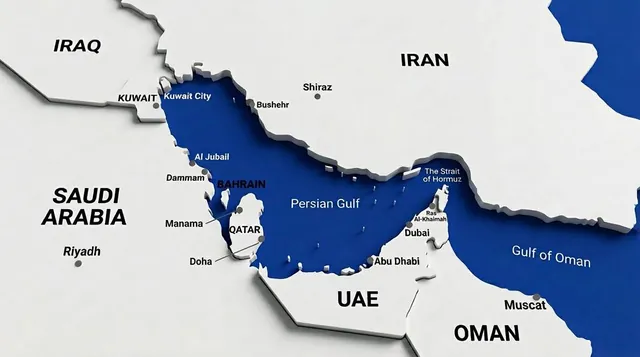
The price difference between Asian and European bunker oil markets has been on the rise since 2019, but the recent record high in mid-March marks a significant escalation of this trend. The analysis suggests that Asia's exposure to Gulf region supplies makes it more vulnerable to price shocks, as seen in the current crisis in the Strait of Hormuz.
The impact of these price increases cannot be overstated, as they will ultimately affect consumers through higher transportation costs. Shipping companies are already feeling the pinch, with more expensive bunker oil making it harder to transport goods by ship. This is a classic example of how supply chain disruptions can have far-reaching consequences for industries and economies alike.
The analysis points to differences in underlying supply structures as a possible explanation for the development. Asian markets are generally more exposed to supplies from the Gulf region than European markets, which makes them more susceptible to price fluctuations.
Energy security is another crucial factor at play here. The analysis highlights the importance of access to energy from multiple markets and different energy types. Over-reliance on a single source of energy can leave industries vulnerable to price shocks and supply chain disruptions.
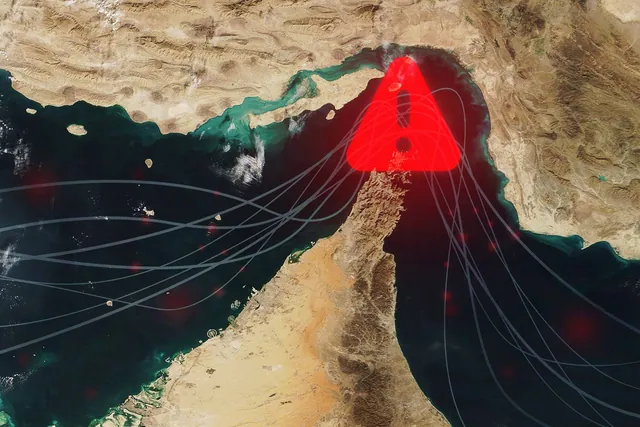
The Strait of Hormuz crisis has added fuel to the fire, with tensions in the region contributing to increased costs for shipping companies. This is a stark reminder of the importance of diversifying energy sources to mitigate price volatility.
As we move forward, it's essential that industries and governments take steps to address these challenges. Diversifying energy sources, improving supply chain resilience, and investing in alternative fuels are just a few strategies that could help mitigate the impact of record-high bunker oil prices.
The shipping industry is already feeling the effects of these price increases, with many companies struggling to absorb the costs. As the situation continues to unfold, it's crucial that stakeholders work together to find solutions that benefit both industries and consumers.
In conclusion, the record-high bunker oil price disparity between Asia and Europe serves as a stark reminder of the importance of energy security and diversifying energy sources. By taking proactive steps to address these challenges, we can work towards creating a more resilient and sustainable shipping industry.
The impact of this trend will be felt far beyond the shipping industry, with higher transportation costs affecting consumers and businesses alike. As we navigate this complex landscape, it's essential that we prioritize energy security, supply chain resilience, and innovation to ensure a brighter future for industries and economies worldwide.
The analysis highlights the importance of diversifying energy sources to mitigate price volatility.