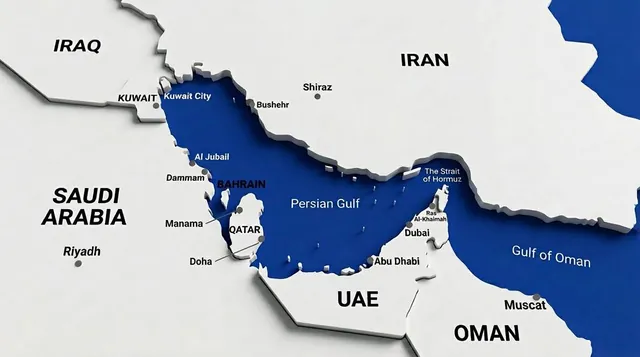

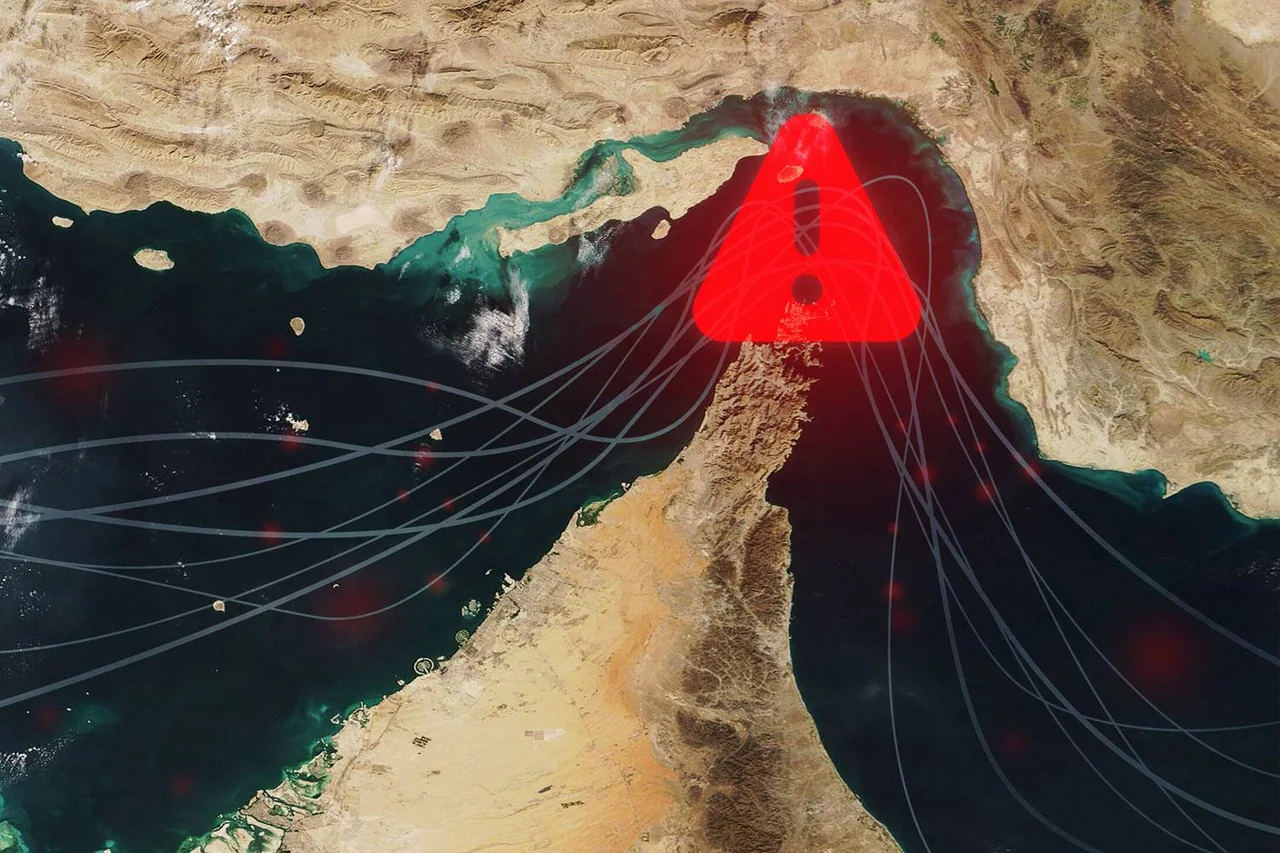
Oil prices rose sharply due to the announcement by Iran that it has closed the Strait of Hormuz, a critical energy chokepoint. The closure, which includes oil tankers and commercial ships, will make it difficult for vessels to pass through the waterway. As a result, oil prices climbed more than $2 a barrel, with Brent futures rising $2.30 and U.S. West Texas Intermediate crude climbing $2.60.
The Strait of Hormuz is a vital shipping lane that carries a significant portion of the world's oil and gas shipments. The closure will have far-reaching consequences for global energy markets, particularly for countries that rely heavily on Middle Eastern oil imports. With oil prices already elevated due to Iran's blockade of the strait, this latest development has sent shockwaves through the market.
However, it is worth noting that not all commercial ships are being blocked from passing through the Strait of Hormuz. According to the U.S. military, vessels continue to transit in and out of the strait, albeit with increased security measures in place.
The escalation of tensions between the U.S. and Iran has led to a significant increase in oil prices. The latest round of strikes by the U.S. against multiple targets in Iran has raised concerns about the potential for a full-scale war, which could have devastating effects on global energy markets.
In related news, U.S. crude inventories fell by 7.2 million barrels to 426.5 million barrels in the week ended June 5, according to the EIA. This represents a significant drawdown from previous levels and highlights the impact of the Strait of Hormuz closure on global oil supply.
The blockade of the Strait of Hormuz has been ongoing for months, with Iran's government citing concerns about regional security. However, the move is widely seen as an attempt to exert pressure on the U.S. and its allies in the region.
As the situation continues to unfold, it remains to be seen how long the Strait of Hormuz will remain closed. In the meantime, oil prices are likely to remain volatile, with traders closely monitoring developments in the region for any signs of a resolution.
The closure of the Strait of Hormuz is a stark reminder of the critical role that this waterway plays in global energy markets. With tensions between major powers running high, it is essential that all parties involved exercise restraint and work towards a peaceful resolution to the conflict.
Ultimately, the impact of the Strait of Hormuz closure will be felt across the globe, with oil prices and global energy markets likely to remain under pressure for some time to come.
The Strait of Hormuz's closure will have significant implications for the global energy market, particularly for countries that rely heavily on Middle Eastern oil imports.