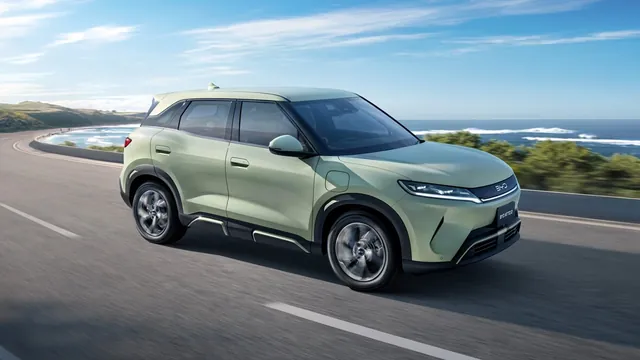
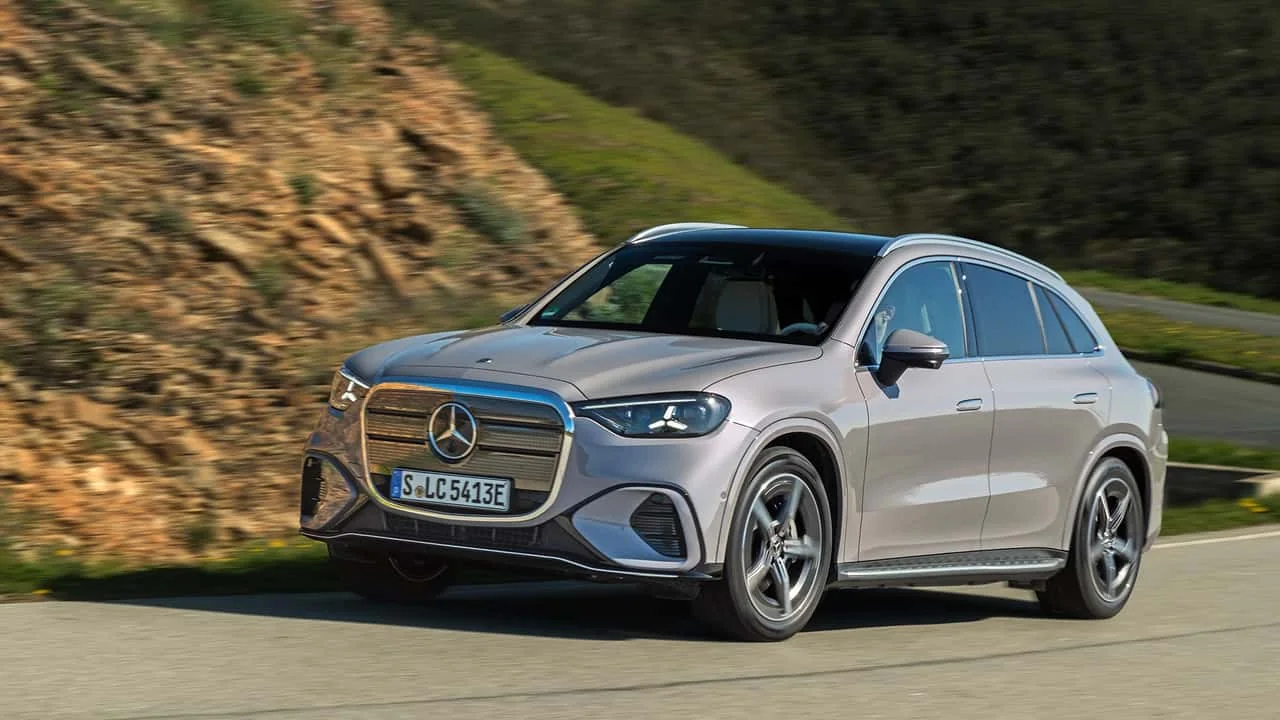
Mercedes-Benz, one of the world's leading luxury vehicle manufacturers, has finally started to show signs of improvement in its electric vehicle (EV) sales. The company's new CLA and electric GLC models are building momentum, with growing demand for sustainable and environmentally-friendly transportation options. However, despite this progress, Mercedes still faces significant challenges in its global EV sales, largely due to the Chinese market. In recent years, China has emerged as a major player in the global EV industry, with many manufacturers struggling to compete with local brands such as BYD and Geely.
The Chinese market is notorious for its complex regulatory environment, strict emission standards, and highly competitive pricing dynamics. These factors have made it difficult for foreign manufacturers like Mercedes to gain traction in the market. Furthermore, China's growing middle class and increasing urbanization have created a huge demand for EVs, making it an attractive market for many investors. As a result, Mercedes has been under pressure to improve its sales performance in China, which has been a major contributor to its global EV sales woes.
Despite the challenges posed by the Chinese market, Mercedes is taking steps to address these issues and improve its EV sales. The company's new CLA and electric GLC models are designed to appeal to a wider range of customers, with features such as advanced infotainment systems and improved range capabilities. These efforts have helped to boost sales in key markets outside of China, but the company still needs to find a way to overcome its struggles in the Chinese market.
The impact of Mercedes' struggles in China on the company's global EV sales cannot be overstated. The Chinese market is a critical component of any manufacturer's overall strategy, and Mercedes' failure to gain traction here has significant implications for its ability to compete with other luxury brands. As the demand for sustainable transportation options continues to grow globally, manufacturers like Mercedes need to find ways to overcome their challenges in key markets like China.
The automotive industry is at a critical juncture, with the shift towards electric vehicles and autonomous driving presenting both opportunities and challenges. Manufacturers like Mercedes need to adapt quickly to changing market trends and consumer preferences, while also navigating complex regulatory environments and supply chain dynamics.
Mercedes' struggles in China serve as a reminder of the importance of understanding local market nuances and adapting business strategies accordingly. The company's failure to do so has resulted in significant challenges for its global EV sales, but it also presents an opportunity for the brand to learn from its mistakes and improve its performance in key markets.
As the automotive industry continues to evolve, manufacturers like Mercedes need to prioritize innovation and sustainability. This includes investing in research and development, expanding their range of electric models, and improving their supply chain efficiency. By doing so, they can better compete with other luxury brands and establish themselves as leaders in the EV market.
The Chinese market is likely to remain a critical component of Mercedes' global strategy for the foreseeable future. However, the company needs to find ways to overcome its struggles here if it is to achieve its full potential as an EV manufacturer. This may involve partnering with local brands, investing in new technologies, and adapting its business model to better suit Chinese consumer preferences.
In conclusion, Mercedes' struggles in China serve as a reminder of the complexities and challenges inherent in navigating the global automotive market. However, by learning from its mistakes and prioritizing innovation and sustainability, the company can improve its EV sales performance and establish itself as a leader in the luxury EV segment.
The automotive industry is facing significant challenges in navigating the complex and dynamic Chinese market.