


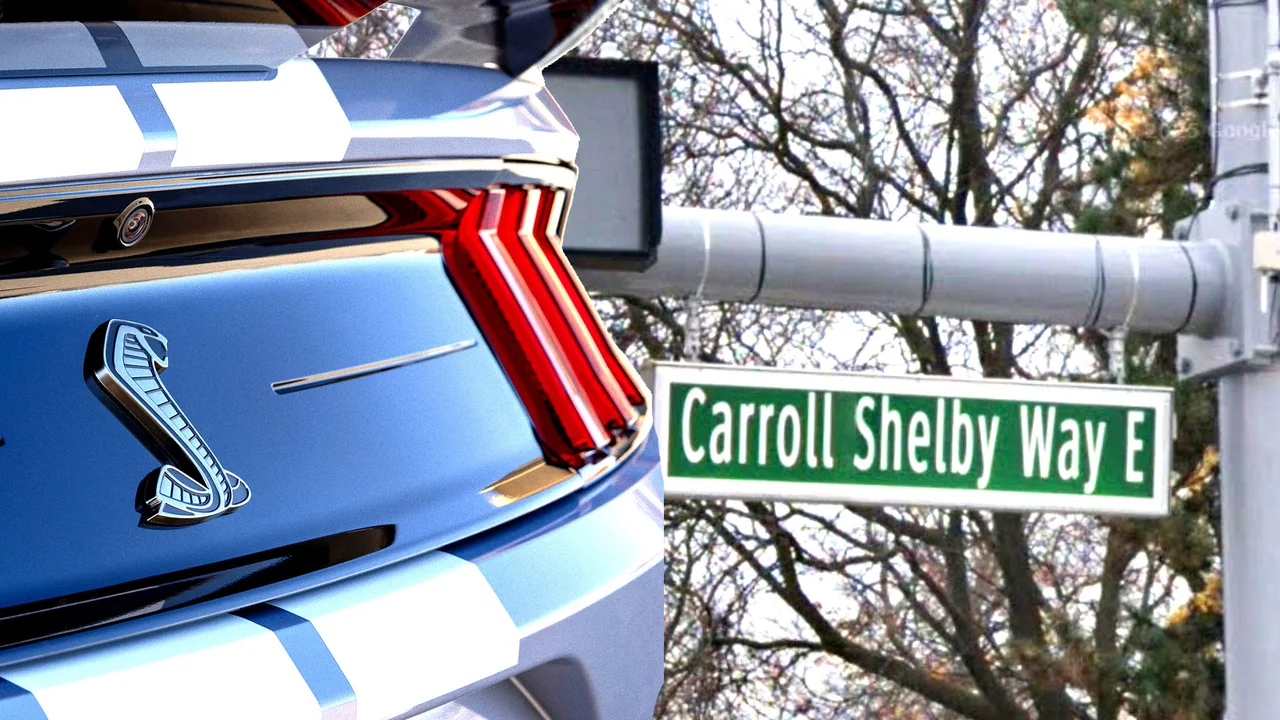
Ford has been embroiled in a controversy surrounding its campus map, with some sources suggesting that the company rejected plans to rename Shelby Street after a prominent figure. However, internal documents appear to contradict this narrative, revealing that the campus map had already been finalized with the new name. This apparent contradiction raises questions about Ford's level of transparency and accountability when it comes to its corporate identity. The controversy has sparked debate among industry insiders, who are weighing in on the implications of a company that is supposed to be a leader in innovation and progress being so secretive about its own history.
The Shelby Street name change was reportedly part of a larger effort to rebrand Ford's campus and create a more modern image. However, it seems that this plan may have been met with resistance from some quarters, leading to the rejection of the new name. The fact that internal documents show the campus map had already been finalized with the new name raises questions about who was ultimately responsible for making the decision to reject the change.
Ford's decision to reject the Shelby Street rename has sparked a wider debate about the role of corporate identity in shaping public perception. While some may see the rejection of the new name as a minor issue, others are viewing it as a symptom of a larger problem - one that speaks to the company's willingness to prioritize secrecy over transparency.
The controversy surrounding Ford's campus map is also highlighting the importance of clear communication and stakeholder engagement in corporate decision-making. When companies fail to engage with their stakeholders and instead opt for secrecy, it can lead to confusion and mistrust among customers, employees, and the wider public.
Ford's reputation as a leader in innovation and progress has been built on its ability to adapt to changing market conditions and stay ahead of the curve. However, this reputation is being called into question by the controversy surrounding its campus map. The company must now navigate a complex web of expectations and perceptions, all while trying to maintain its position as a major player in the automotive industry.
The Shelby Street rename was just one part of Ford's broader rebranding efforts, which aimed to create a more modern and dynamic image for the company. However, it seems that this effort may have been met with resistance from some quarters, leading to the rejection of the new name. The fact that internal documents show the campus map had already been finalized with the new name raises questions about who was ultimately responsible for making the decision to reject the change.
Ford's decision to reject the Shelby Street rename has sparked a wider debate about the role of corporate identity in shaping public perception. While some may see the rejection of the new name as a minor issue, others are viewing it as a symptom of a larger problem - one that speaks to the company's willingness to prioritize secrecy over transparency.
The controversy surrounding Ford's campus map is also highlighting the importance of clear communication and stakeholder engagement in corporate decision-making. When companies fail to engage with their stakeholders and instead opt for secrecy, it can lead to confusion and mistrust among customers, employees, and the wider public.
Ford must now navigate a complex web of expectations and perceptions, all while trying to maintain its position as a major player in the automotive industry. The company's reputation is on the line, and it will be interesting to see how it responds to this controversy in the days ahead.
The automotive industry's reputation for secrecy and control is put to the test as Ford faces backlash over its campus map.