
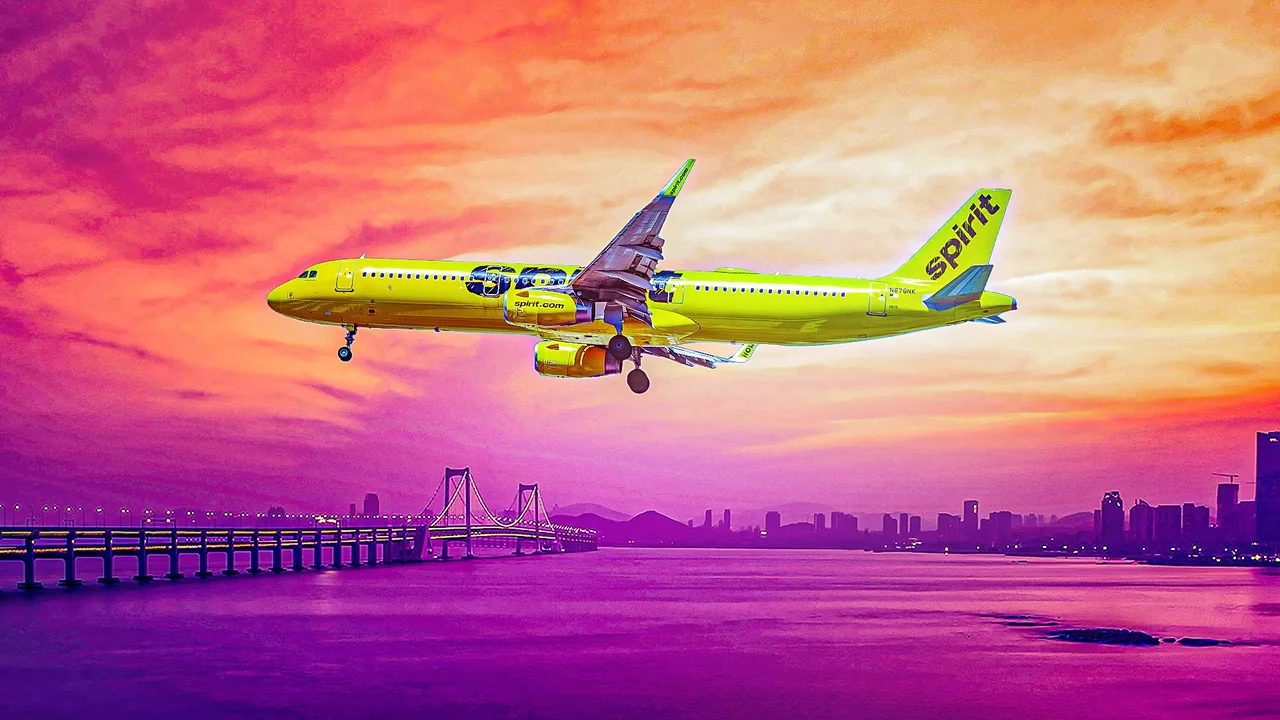
Spirit Airlines is on the brink of collapse, with its creditors and stakeholders at odds over a potential government bailout. The affordable air carrier has been struggling to stay afloat, despite reducing its fleet and route network, as well as cutting staff in large numbers. However, the insurmountable obstacle of fuel prices has prevented Spirit from earning a profit, driving it closer to bankruptcy for the third time in two years.
The US government is considering a deal to lend Spirit Airlines 500 million in exchange for a 90% controlling stake in the carrier. Ares Management and Cyrus Capital have expressed opposition to the plan, while Ken Griffin's Citadel submitted a counterproposal that was rejected by the Trump Administration. With negotiations ongoing, the next bankruptcy hearing has been postponed.
The attack on Iran under Operation Epic Fury has driven oil prices far higher than Spirit expected when it planned its post-bankruptcy restructuring and recovery strategy. This has made it difficult for the airline to recover from the economic downturn caused by the pandemic.

Despite the challenges, officials from the US government have stated that they are committed to exploring possible options to ensure the airline remains in operation for its passengers and employees. President Trump has expressed his interest in helping Spirit Airlines, stating that he would prefer to see another airline acquire the carrier eventually.
The proposal to bail out Spirit Airlines has faced significant pushback from stakeholders, USG officials, and the wider industry. The deal is framed as a stabilization measure to keep the carrier viable for a future sale, with President Trump touting it as a way to save between 15,000 and 17,000 jobs in the United States.
Without federal intervention, officials warn that the airline would face total liquidation, immediately eliminating the livelihoods of thousands of frontline aviation workers. Other budget carriers like Frontier and Avelo have responded by lobbying for their own line of financial assistance.

The situation has highlighted the vulnerability of the US air industry to global economic shocks, particularly in terms of fuel prices. The airline's collapse would not only affect Spirit Airlines but also have a ripple effect on the wider industry.
The government's consideration of using wartime measures as a means of temporarily taking control of Spirit is seen as a last resort. If successful, it would allow for the sale of the carrier back to a private company once it emerges from bankruptcy.
Ultimately, the outcome of these negotiations will have significant implications for the US air industry and its employees. The fate of Spirit Airlines serves as a reminder of the importance of government intervention in stabilizing key sectors during times of economic crisis.