

Aircraft maintenance checks are a critical component of ensuring airworthiness, with nearly every flight relying on thousands of technical decisions, inspections, and verifications made before takeoff. These short maintenance bursts can occur within a tight window of one to two hours, often behind the scenes from passengers' view.
The importance of these checks cannot be overstated, as breakdowns in operational rigor have triggered tragedies that reshaped aviation history. Today's aircraft maintenance system exists precisely to prevent those gaps and maintain the highest standards of safety.
To understand how much work is done in just two hours helps to break down the layers of scheduled maintenance and the fast-paced world of line checks that make same-day turnarounds possible. This intricate process involves a series of inspections, sign-offs, and verifications that must be completed before a pilot advances the throttles.

At the heart of aviation safety lies the concept of airworthiness, which requires an aircraft to be safe to fly and meet all regulatory requirements at every moment, not just when it leaves the factory. Airlines follow strict programs like the Continuous Airworthiness Maintenance Program (CAMP) mandated by regulators.
Aircraft are subjected to extreme conditions that gradually wear down components without structured maintenance. Instead, maintenance is broken into layers, with line checks being the most critical and happening in the shortest timeframe.
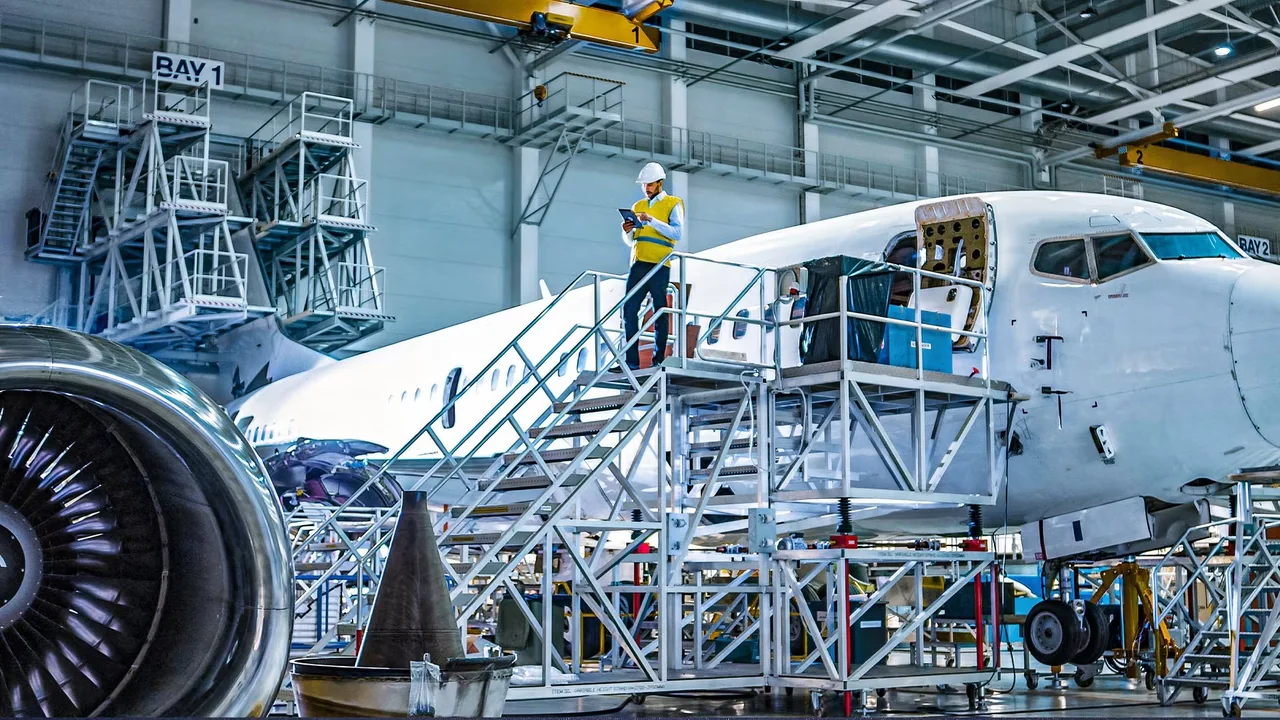
Line maintenance checks take place right at the gate and involve a series of fast, efficient, and constant inspections using minimal tools and a sharp eye. These checks include minor modifications and repairs, such as checking tires and brake wear, inspecting fluid levels, and verifying panels and sensors.

The coordination between pilots and maintenance teams is vital for safe flights, with flight crews conducting their own external walk-around inspection before departure. While the captain holds responsibility, the task can be delegated to the first officer, ensuring a seamless handover of aircraft readiness.
These line checks may seem routine, but they are the first line of defense against larger issues that could compromise airworthiness. By implementing these checks and adhering to strict maintenance programs, airlines can significantly improve safety records and maintain the highest standards of airworthiness.
The aviation industry's emphasis on discipline and routine maintenance has significantly improved safety records.