

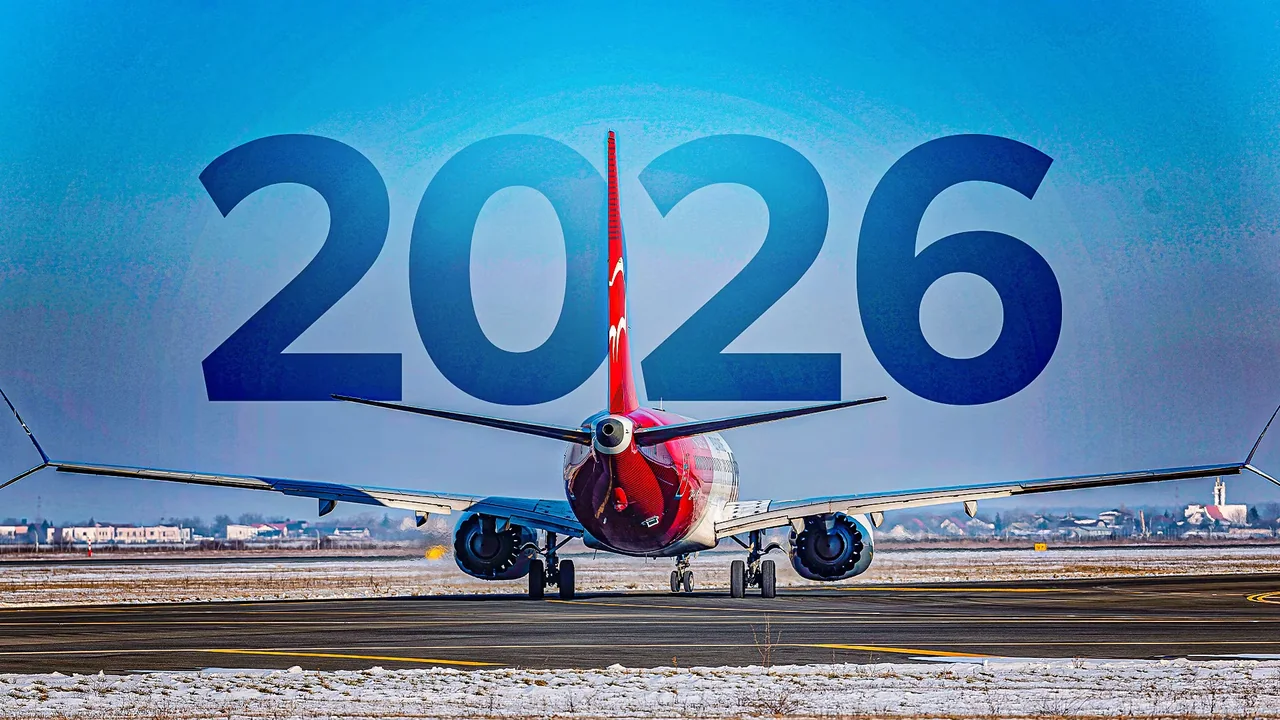
The global narrowbody aircraft market is undergoing a significant transformation, with Airbus emerging as the clear leader. The company's A320neo family has captured roughly 60% of the global narrowbody market, leaving Boeing's 737 MAX trailing behind. This gap in market share reflects years of consistent order momentum and stable production for Airbus.
The A320neo's success can be attributed to its fuel efficiency, which delivers up to 20% savings compared to previous generation models. This advantage is particularly significant for airlines operating narrowbody jets intensively, as it translates to substantial cost savings over an aircraft's operational life.
Boeing faces a challenging recovery trajectory following the prolonged grounding of the 737 MAX. The company's ability to convert orders into deliveries at a similar pace to Airbus is hindered by production constraints, regulatory scrutiny, and supply chain pressures.

The market shift has significant implications for airline fleet planning decisions, particularly for carriers seeking predictable delivery timelines and long-term capacity growth. As a result, Boeing must adapt its strategy to regain competitiveness in the narrowbody segment.
Smaller players like Embraer are gaining traction in thinner route markets with their E195-E2 aircraft. This development further underscores the evolving nature of the narrowbody market, where aircraft are optimized for specific mission profiles and timing plays a crucial role.
Understanding how the 737 MAX stacks up against its rivals requires examining not only performance metrics but also production realities and airline preferences. The competitive landscape is no longer a simple Boeing versus Airbus narrative.

The A320neo's success has been built on consistent order momentum, stable production, and strong airline confidence. This achievement underscores Airbus' ability to scale production and maintain a steady flow of aircraft to customers worldwide.
As the narrowbody market continues to evolve, airlines will need to carefully consider factors such as fuel efficiency, operational economics, and certification requirements when selecting new aircraft. The stakes are high, with the wrong choice potentially resulting in significant cost overruns or delayed delivery timelines.
The shift towards Airbus dominance reflects the company's ability to scale production and maintain customer confidence.