

The world's largest electric vehicle (EV) market, China, has been growing at an incredible pace, with many Chinese EV models now available in various regions around the globe. In contrast, the US EV market is still in its early stages of development, with a significant gap between the two markets. This divergence in the global EV market is becoming increasingly apparent, and it's essential to understand the reasons behind this disparity.
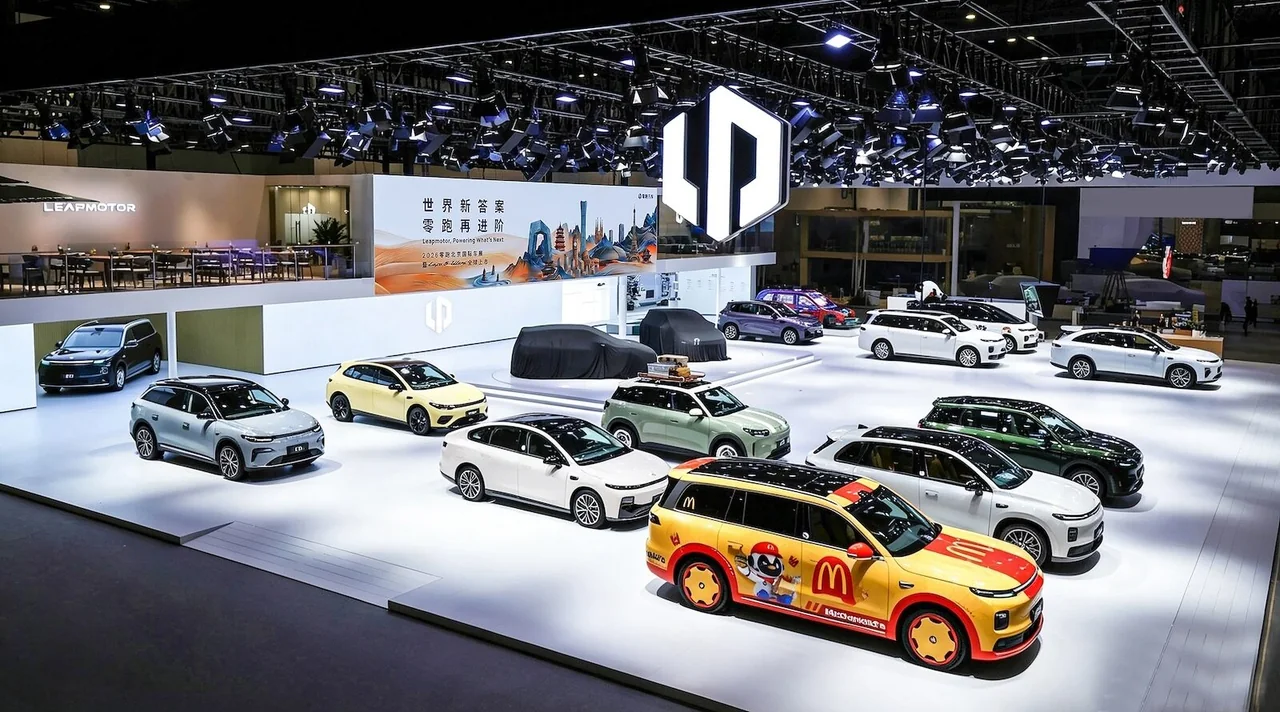
The Beijing Auto Show, also known as Auto China 2026, was a pivotal event that showcased the vast range of EV offerings on the Chinese market. Visitors were treated to an impressive array of sporty, large, and luxurious electric vehicles from various manufacturers, including legacy automakers who are focusing on their histories rather than innovating in the new EV market.
One of the most significant aspects of Auto China 2026 was the growing availability of Chinese EV models in regions such as ASEAN, South America, and beyond. This expansion into new markets is a testament to the increasing popularity of electric vehicles globally.
In contrast, the US EV market lags behind its global counterparts, with many legacy automakers prioritizing their historical brands over innovation in the rapidly evolving EV sector.
The Tesla Model Y L was another highlight of Auto China 2026, offering an impressive blend of performance and luxury features. However, it's essential to note that the US model may not be as popular due to regulatory differences and varying consumer preferences.
As Larry Evans and Raymond Tribdino discussed in their recent video, the Chinese EV market is becoming increasingly sophisticated, with autonomous driving technologies gaining traction. This trend is expected to continue as manufacturers focus on developing more advanced driver-assistance systems.
The NBA playoffs and the New York Knicks may seem like an unrelated topic, but for those who made it to the end of the video, it was a welcome respite from the in-depth discussion about EVs.
In conclusion, the divergence between the Chinese and US EV markets is a significant development that will have far-reaching implications for the automotive industry. As consumers increasingly prioritize sustainability and environmental responsibility, manufacturers must adapt to meet these changing demands.
The shift to electric vehicles is a game-changer for the automotive industry, with many legacy brands struggling to keep pace with the rapidly evolving market. However, innovative companies like XPENG are leading the charge in autonomous driving technologies, paving the way for a more sustainable future.
As the world continues to transition towards electric vehicles, it's essential to understand the unique challenges and opportunities presented by this shift. By analyzing the divergent EV markets in China and the US, we can gain valuable insights into the future of transportation and the automotive industry as a whole.
The shift to electric vehicles is a game-changer for the automotive industry.