
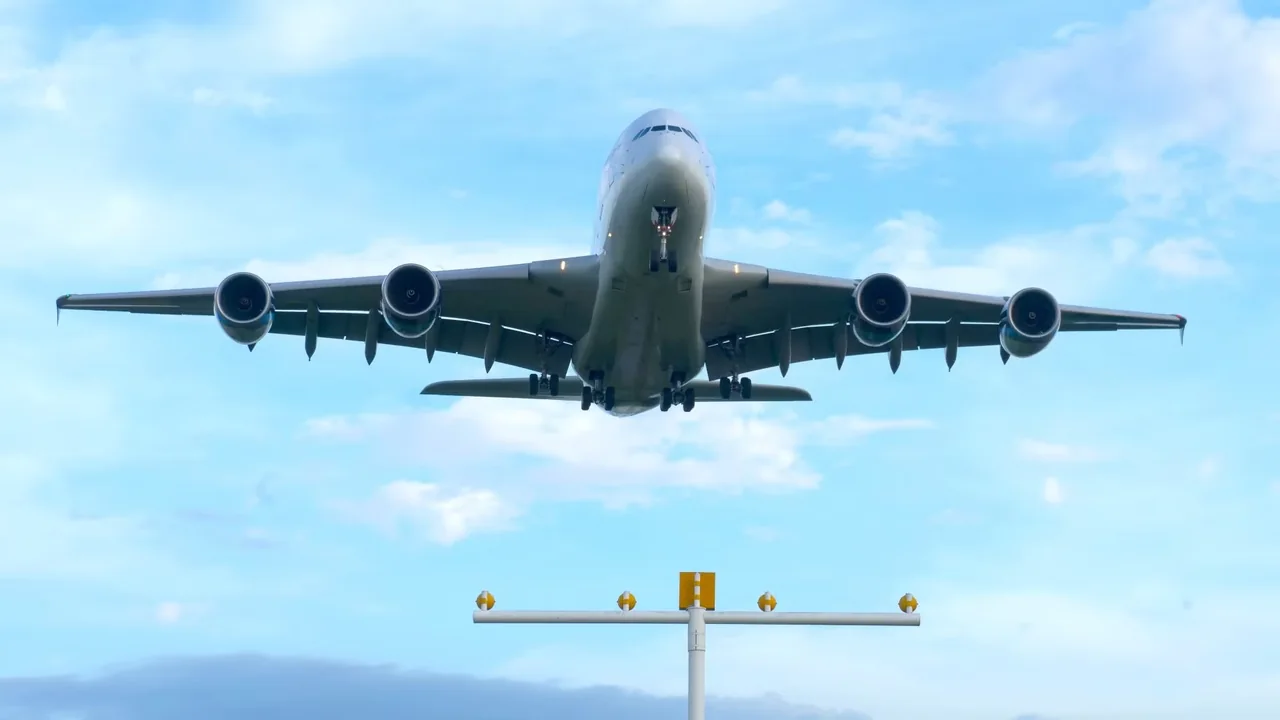
The Airbus A380 has been a popular choice for airlines serving Australia due to its large capacity and range. However, over the years, several carriers have reduced or eliminated their A380 fleets on routes to and from Australia. This trend is a reflection of changing market demands and increasing competition in the long-haul sector.
Etihad Airways operated the most A380 flights to Australia, with a total of 2,709 departures between 2015 and 2020. The majority of these flights were scheduled to Melbourne and Sydney, which are two of the busiest airports in Australia.
The airline's decision to end its A380 operations is likely due to the increasing competition from other carriers and the rising costs associated with operating large aircraft. Etihad has been working to reduce its fleet size and focus on more profitable routes.

China Southern Airlines also used A380s to fly to Melbourne and Sydney, although at a lower frequency than Etihad. The airline's peak year for A380 departures was 2015, when it scheduled 127 flights from Guangzhou.
Korean Air operated the fewest number of A380 flights to Australia, with most of its departures bound for Sydney. The airline's frequency peaked in 2019, when there were 155 Sydney-bound A380 flights.
Malaysia Airlines had a minimal presence on A380 routes to Australia, and it is likely that the airline will not be replacing these aircraft with new ones.

The decline of the A380 has significant implications for the aviation industry, particularly for airlines operating on long-haul routes. As carriers reduce their A380 fleets, they are forced to reassess their route networks and adjust their capacity plans accordingly.
The end of A380 flights to Australia marks a significant shift in the airline's operations, and it will be interesting to see how these changes impact passenger demand and airline profitability.
As airlines continue to adapt to changing market conditions, it is likely that we will see more carriers reducing or eliminating their A380 fleets in the coming years.

The decline of the A380 has significant implications for the aviation industry, particularly for airlines operating on long-haul routes.