

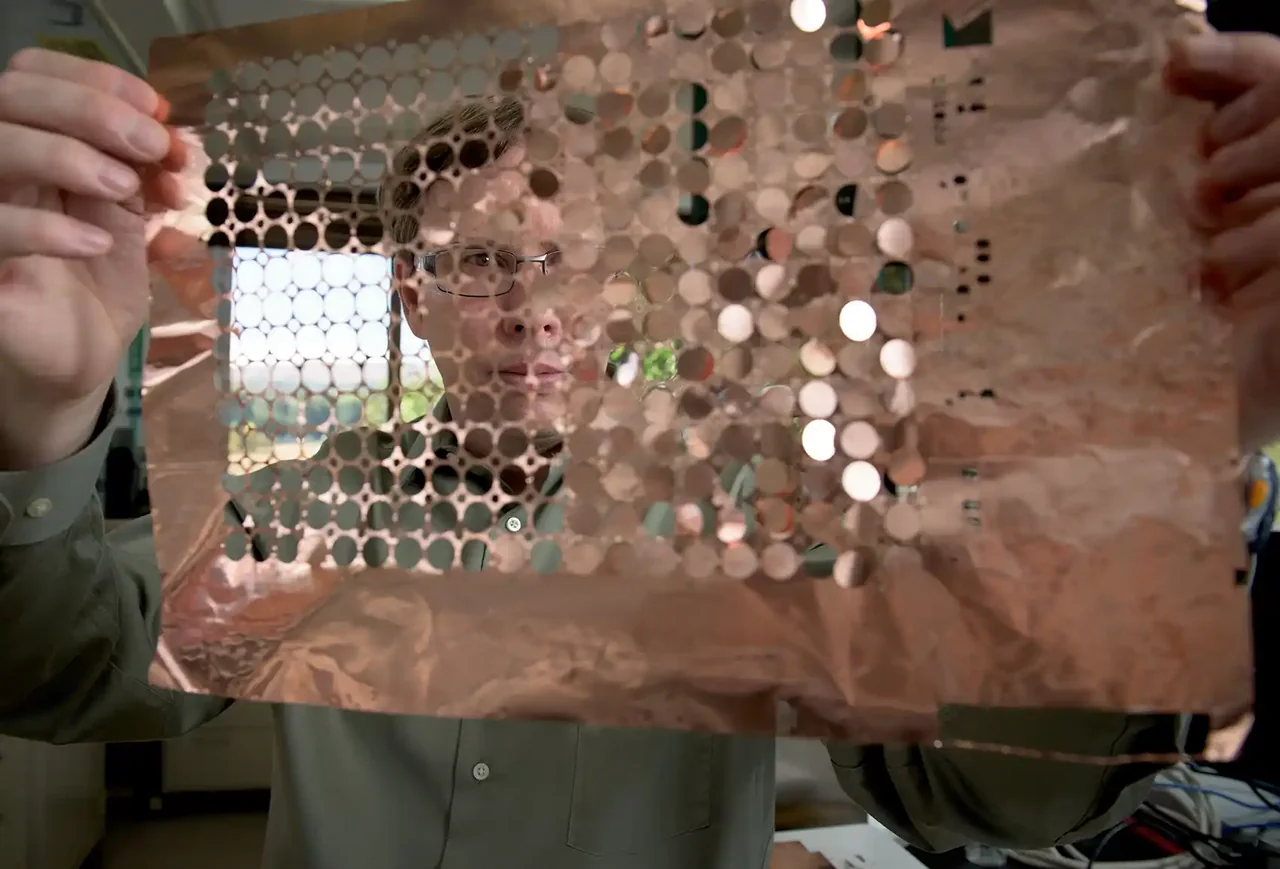
The U.S. Department of Energy's National Laboratory of the Rockies has been collaborating with NASA on battery safety research for over a decade. The lab's efforts have led to a pioneering innovation that enables scientists to implant an internal short-circuit device (ISC-D) into lithium-ion cells, triggering controlled failure that improves battery testing for space-bound systems.
The development of the ISC-D is crucial for ensuring the safety and reliability of batteries used in space exploration. By understanding how batteries fail, researchers can design specific thermal management strategies to mitigate system failures caused by internal defects.
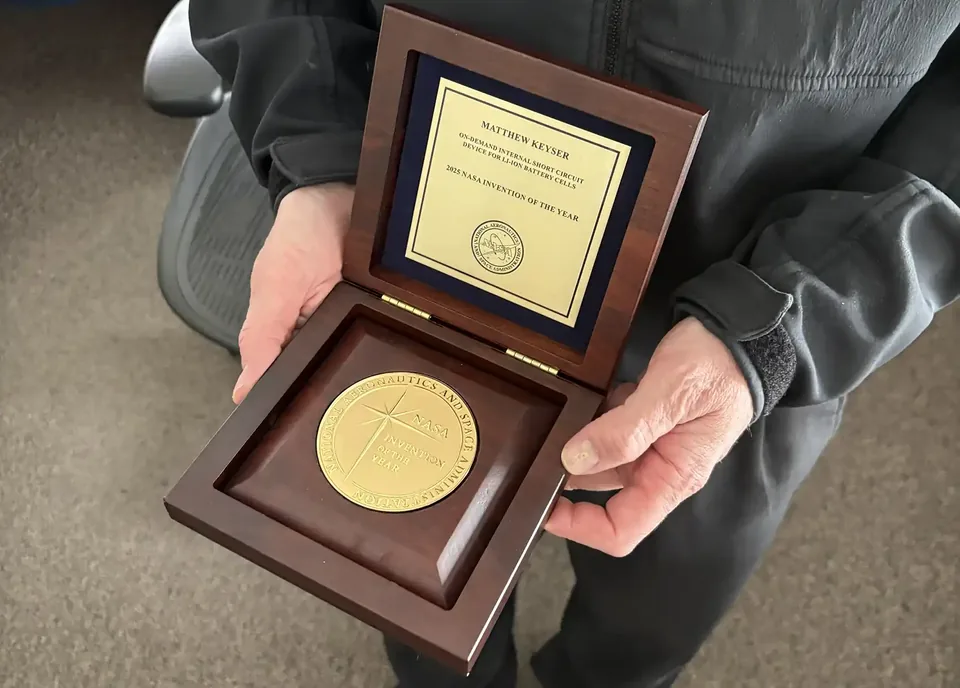
The NLR's collaboration with NASA has resulted in a significant breakthrough in battery technology. The awarding of the Invention of the Year title to the researchers and industry partner KULR Technology Group recognizes the importance of this innovation for future space missions.
The ISC-D itself consists of three layered metal discs insulated by a thin layer of wax that can be implanted between the anode and cathode of a cell. When triggered, it allows researchers to examine how cells react to internal triggers and design specific thermal management strategies to mitigate battery system failures.
In the worst-case scenario, a flaw introduced by a speck of dust could bring down an entire space capsule and its crew. The ISC-D provides a controlled environment for testing this risk, ensuring that batteries are designed with safety features that can withstand even the most extreme conditions.
The development of the ISC-D represents a significant step forward in understanding battery failure and design. By studying how internal defects cause batteries to fail, researchers can develop more reliable and efficient battery technologies.
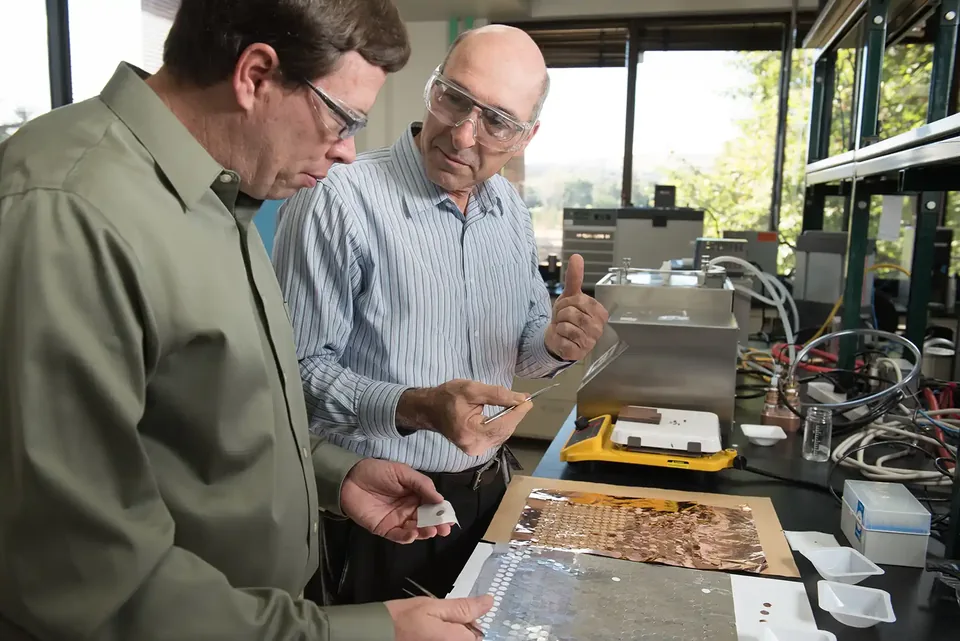
The NLR's work on the ISC-D has far-reaching implications for the development of safer batteries for space-bound systems. As the demand for electric vehicles and other battery-powered applications continues to grow, this innovation is crucial for ensuring the safety and reliability of these systems.
The awarding of the Invention of the Year title to the NLR researchers and KULR Technology Group recognizes the importance of this innovation for future space missions. It also highlights the critical role that collaboration between industry partners and government agencies plays in driving technological advancements.
As the world looks to the moon and beyond, innovations like the ISC-D are crucial for ensuring the success of future space exploration. By developing more reliable and efficient battery technologies, researchers can help pave the way for a new era of space travel and discovery.
The development of the ISC-D represents a significant breakthrough in understanding battery failure and design.