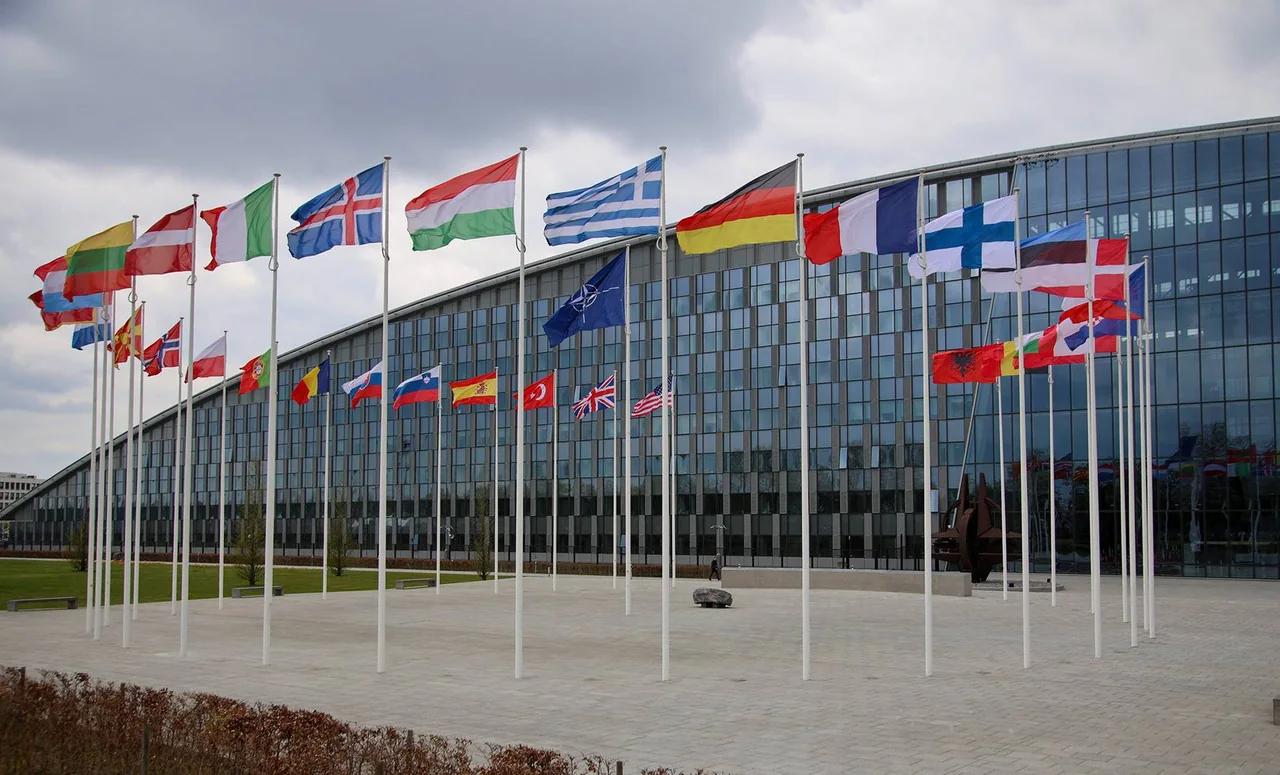
NATO's top commander, U.S. Air Force General Alexus Grynkewich, has stated that any decision to launch a mission in the Strait of Hormuz would require the approval of all 32 NATO members. This emphasizes the complexity of international cooperation and the need for consensus among allies.
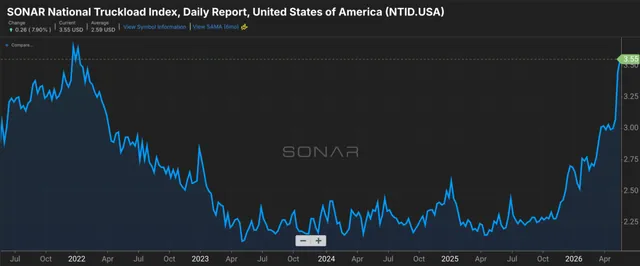
The Strait of Hormuz is a critical waterway in the Gulf region, and its blockade by Iran has significant implications for global energy supplies. The situation has pushed up oil prices and driven up shipping costs, highlighting the importance of secure transit through the area.
Despite some countries suggesting that NATO could play a role in the region, opposition from other nations is clear. This division within the alliance highlights the challenges of navigating complex geopolitical situations.
The U.S. President's criticism of NATO members for not being willing to help open the Strait has added to the uncertainty surrounding a potential mission. European nations have expressed reluctance to become drawn into the conflict, but are ready to support securing the Strait after the war.
France and Britain have taken the lead in forming a coalition of countries that could help ensure safe transit through the Strait once the situation stabilises or the conflict is resolved. This cooperation highlights the potential for international collaboration in addressing global challenges.
Some European diplomats believe that NATO has a lot of maritime capabilities that could be leveraged to support operations in the region. However, multiple countries are hesitant about NATO involvement due to concerns about becoming party to the conflict.
The reluctance to become involved in the conflict is driven by concerns about the potential consequences and the need for clear communication among allies. This highlights the importance of careful consideration and consensus-building in international cooperation.
Despite some support for a NATO Hormuz mission, opposition from several countries is clear. The opposition is driven by a range of factors, including concerns about becoming party to the conflict and the need for clear communication among allies.
The situation in the Strait of Hormuz serves as a reminder of the complexities and challenges of international cooperation. It highlights the need for careful consideration, consensus-building, and clear communication among allies in addressing global challenges.
The situation highlights the challenges of international cooperation and the need for clear communication among allies.