

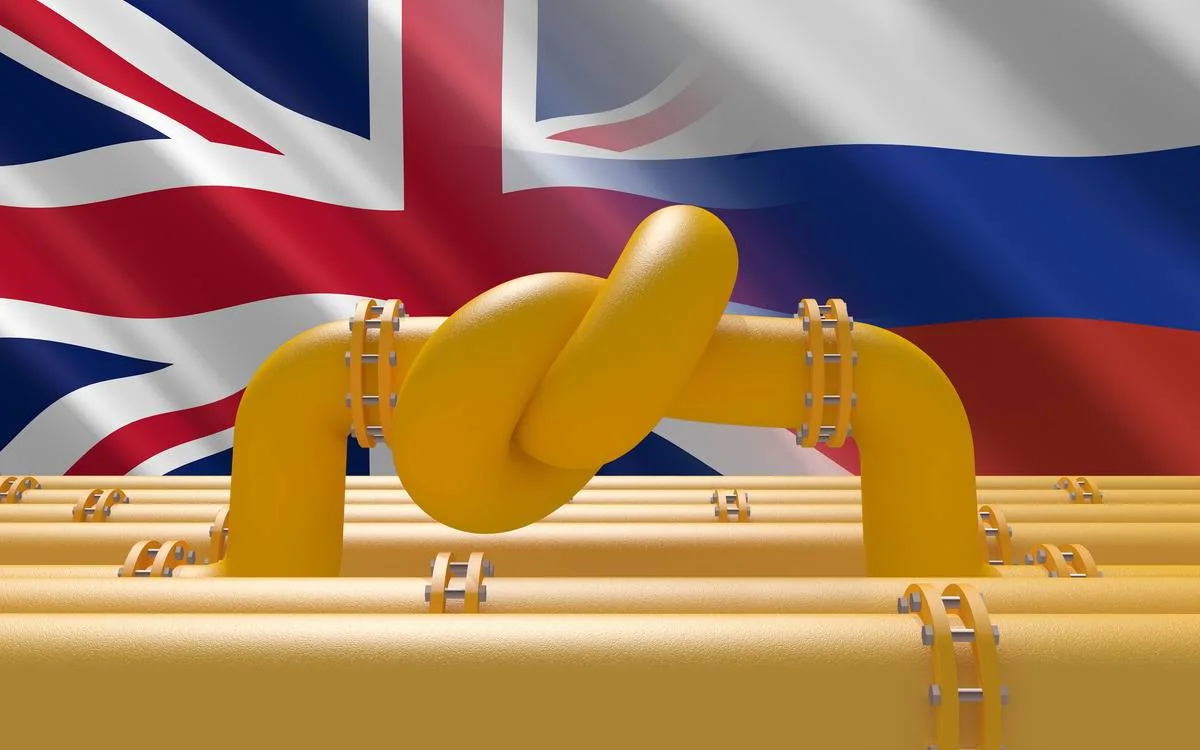
Britain has relaxed its sanctions on Russian fuel imports to ensure a secure supply of diesel and jet fuel, following a similar step by the US. The decision comes as prices soar due to the conflict in the Middle East and disruptions to energy supplies.
The UK's support for Ukraine remains steadfast, but junior treasury minister Dan Tomlinson said that the national interest had to come first. This move aims to protect the security of supply for foundational goods in the economy.
The easing of sanctions on jet fuel and diesel refined in third countries, such as India and Turkey, could provide more supplies for Britain. However, critics argue that this will allow the Kremlin to earn more money and fund the war against Ukraine.
Brent crude prices are near recent highs due to concerns over disrupted flows through the Strait of Hormuz. The move is a response to these supply chain issues, but it also raises questions about the UK's stance on Russia's actions in Ukraine.
The changes will take effect on Wednesday and will be of indefinite duration, though they can be reviewed periodically and amended or revoked. This move highlights the complexities of balancing national interests with international relations.
Airlines had previously warned about potential shortages of jet fuel supplies for the summer, but recent developments have led to a more bullish outlook on availability. However, carriers worldwide have hiked fares and some have cut flights.
The new rules are part of a broader effort to ensure energy security in the UK. The government has also issued a time-limited licence covering the maritime transportation of liquefied natural gas from Russia's Sakhalin-2 and Yamal projects.
This move underscores the challenges faced by countries in balancing their national interests with their stance on international conflicts. As the situation in Ukraine continues to evolve, it remains to be seen how this decision will impact the UK's relations with Russia.
The easing of sanctions on Russian fuel imports is a response to the current energy crisis, but it also raises questions about the long-term implications for the UK's energy security and its stance on Russia's actions in Ukraine.
The move highlights the UK's willingness to balance national interests with its stance on Russia's actions in Ukraine.