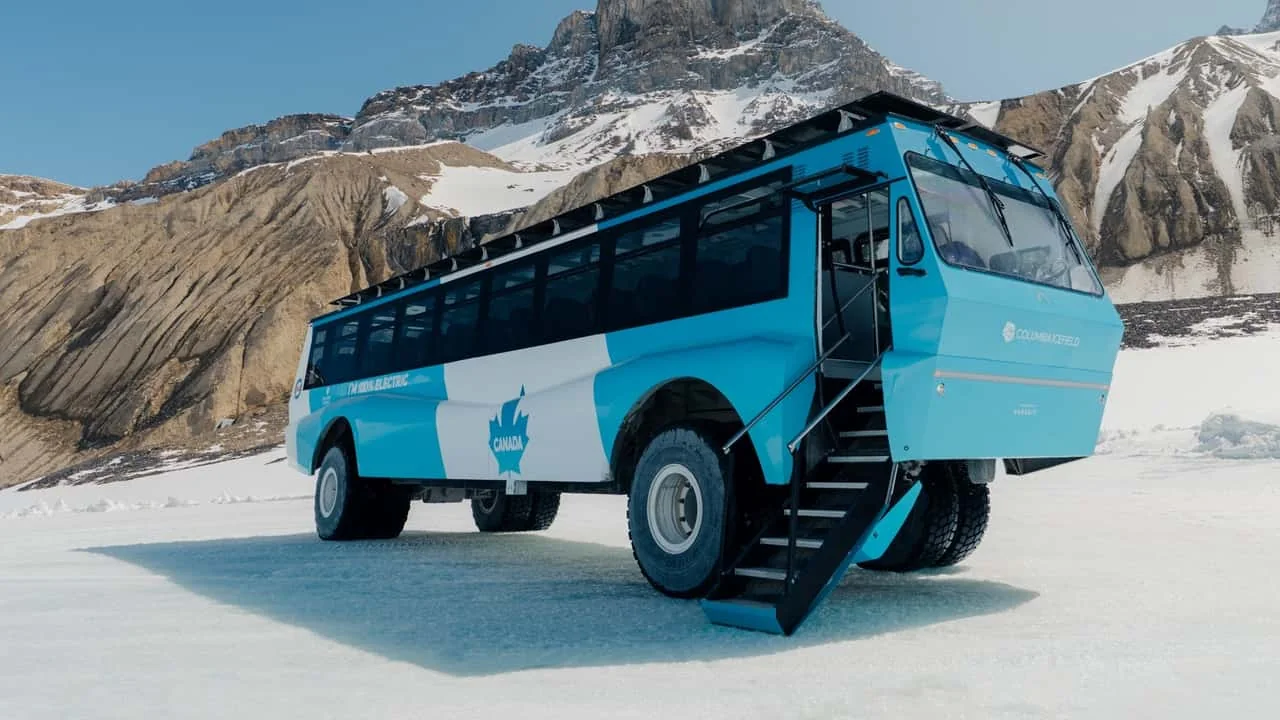
The world’s first electric ice explorer is ready to ferry passengers in Jasper National Park, marking a significant milestone in sustainable transportation. The vessel, designed to operate entirely on electricity, will reduce greenhouse gas emissions and minimize environmental impact.
The Canadian wilderness has long been a hub for outdoor enthusiasts, but the country's vast natural beauty also comes with significant environmental challenges. By introducing an electric ice explorer, Canada is taking a major step towards reducing its carbon footprint and promoting eco-friendly tourism.
Jasper National Park, located in the heart of Alberta, is home to breathtaking landscapes and diverse wildlife. The park's unique geography makes it an ideal location for testing and deploying innovative technologies like the electric ice explorer.
The electric ice explorer is a remarkable feat of engineering, capable of traversing icy waters with ease. Its advanced propulsion system and cutting-edge design make it an exciting addition to Canada's sustainable transportation landscape.
As the world grapples with climate change, countries are turning to innovative solutions to reduce their carbon emissions. Canada's adoption of electric ice explorers is a shining example of how technology can be harnessed for environmental good.
The vessel's silent operation will also have a positive impact on local wildlife, reducing noise pollution and allowing animals to thrive in their natural habitats.
Jasper National Park has long been a popular destination for outdoor enthusiasts, but the park's remote location makes it challenging to access. The electric ice explorer will provide visitors with a unique and immersive experience, connecting them with nature in a way that was previously impossible.
The introduction of electric ice explorers marks a significant shift towards sustainable tourism, as travelers increasingly prioritize eco-friendly experiences over traditional modes of transportation.
As the world's first electric ice explorer sets sail in Jasper National Park, Canada is cementing its position as a leader in innovative transportation solutions. This groundbreaking technology has far-reaching implications for the tourism industry and beyond.