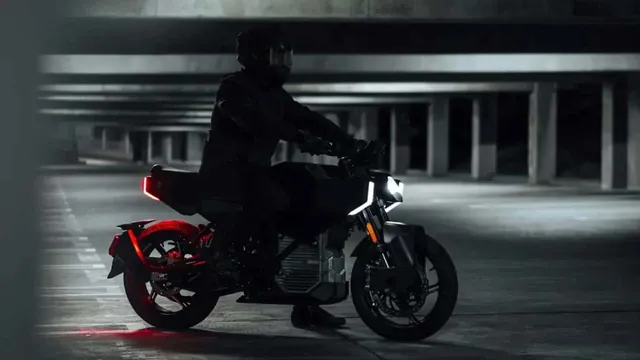


The EU classification system uses the term L-category to cover smaller powered vehicles, including scooters and mopeds. This system sits under EU Regulation 168/2013, which standardizes vehicle classes across Europe. The regulation helps determine licensing rules, emissions standards, safety requirements, and urban access policies.
At the smaller end of the scale are L1e vehicles, which cover standard two-wheel mopeds, be they petrol or electrically powered. These are limited to 45km/h (around 28mph), with engines no larger than 50cc or electric motors producing no more than 4kW (around 5bhp). This category includes traditional city commuter scooters and entry-level urban transport.
The L2e category includes three-wheel mopeds, which have the same rules as L1e vehicles but are limited to a top speed of 45km/h. The term does not automatically imply that riders must drive around in an emoji-like manner.

L3e vehicles are defined as either A1, A2, or A3, covering 125cc equivalent bikes and scooters, motorcycles with up to 35kW (or up to 47bhp), and other machines. The L4e category covers motorcycles fitted with a sidecar, while the L5e category includes powered tricycles.
The L-category system is becoming increasingly important as cities discuss motorcycles as part of the solution to congestion and emissions. As urban mobility continues to evolve, it's essential to understand this classification system.
The EU Regulation 168/2013 provides a standardized framework for vehicle classes across Europe, which helps determine licensing rules, emissions standards, safety requirements, and urban access policies. This regulation is crucial for ensuring consistency and fairness in urban transportation.

As the world becomes more aware of the importance of sustainability and environmental protection, the L-category system plays a vital role in reducing emissions and promoting eco-friendly transportation options.
The L4e category highlights the need for specialized regulations to accommodate motorcycles with sidecars, which are relatively rare but still an essential part of urban mobility. By understanding this classification system, we can better address the challenges facing urban transportation.
The L-category system is crucial for urban mobility and emissions regulations.