

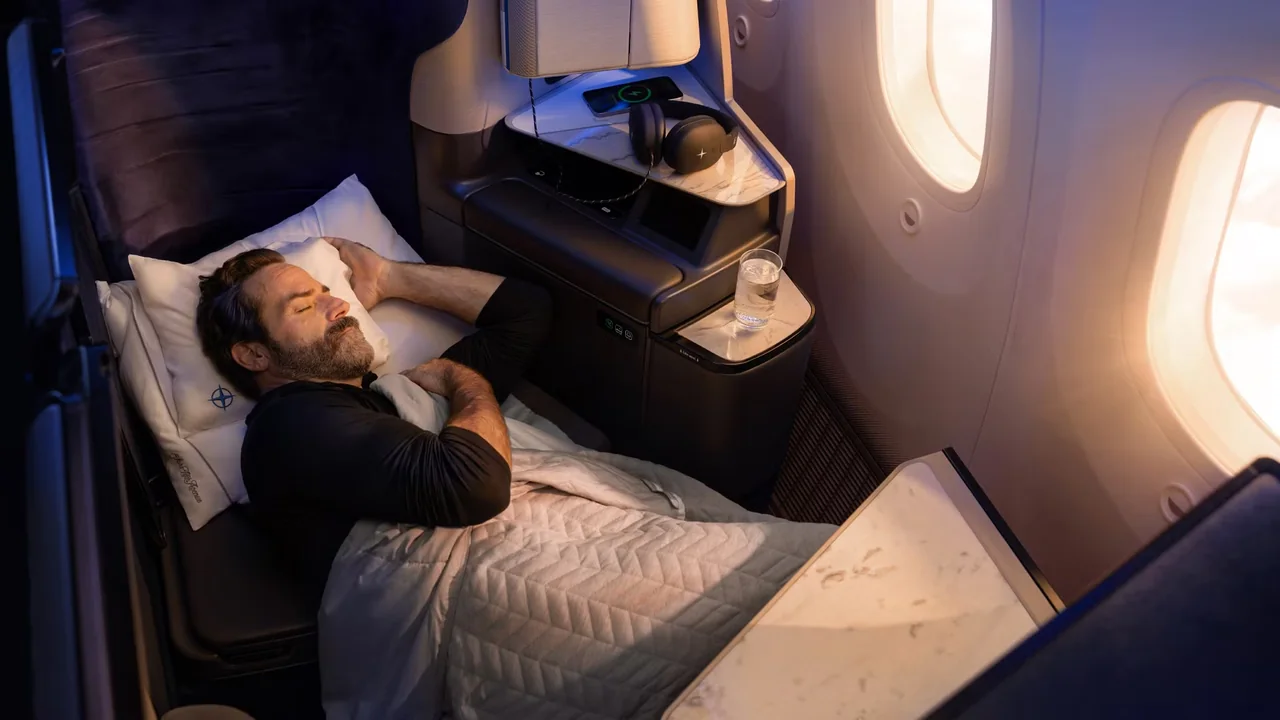
Major international airlines are quietly adding hidden fees to business class tickets, breaking the promise of a seamless luxury experience. This shift towards unbundled premium services is driven by corporate pressure for high-margin ancillary revenue. As a result, passengers can expect reduced perks and higher costs when booking a premium ticket.
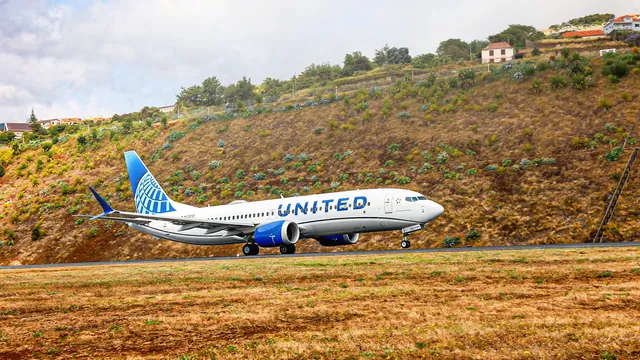
The introduction of basic business class by United Airlines has sent shockwaves through the industry, with many onlookers criticizing the move as an attempt to capitalize on premium demand without delivering true cost savings to consumers. The airline's tiered fare system divides its premium inventory into three distinct categories: Base, Standard, and Flexible, leaving passengers to carefully evaluate what their ticket includes at checkout.
The impact of this shift is far-reaching, with major carriers now adopting similar unbundled business class models. This trend reflects a broader industry realignment towards modern airline economics and profitability models, where the main cabin serves as the primary financial volume engine. Contemporary revenue data reveals an overwhelming shift towards premium services, driving airlines to prioritize profit over passenger experience.

As the airline industry continues to evolve, passengers can expect reduced luxury amenities and higher costs when booking a business class ticket. The introduction of basic business class has marked a significant turning point in the way airlines approach premium travel, with many carriers now focusing on maximizing ancillary revenue rather than delivering comprehensive luxury experiences.
The trend towards unbundled premium services is not limited to United Airlines, with several other major carriers already implementing similar models. This shift reflects a broader industry-wide desire to optimize profitability and maximize revenue from premium travel. As the market continues to adapt to these changes, passengers must become more savvy in evaluating what their ticket includes and how much they are willing to pay for luxury amenities.
The introduction of basic business class has also led to increased scrutiny over airline pricing practices and transparency. With airlines now charging extra for essential components of the premium journey, such as advance seat assignments and lounge access, passengers must carefully review their ticket details to avoid unexpected costs.

Despite the changes, premium demand remains strong, with many travelers willing to pay a premium for luxury amenities and services. However, the shift towards unbundled premium services has raised concerns over the value proposition offered by airlines, particularly among high-net-worth individuals and corporate travelers.
The airline industry's focus on maximizing ancillary revenue has significant implications for passenger experience and loyalty programs. As airlines prioritize profit over passenger comfort, loyalty programs may need to adapt to maintain relevance and offer competitive benefits to loyal customers.
As the airline industry continues to evolve, passengers must become more informed and savvy in evaluating premium travel options. With the rise of unbundled business class models, it is essential for travelers to carefully review their ticket details and understand what is included – or not included – in their premium fare.

The airline industry is redefining what it means to fly in style, prioritizing profit over passenger experience.