

The global electric vehicle (EV) market has experienced significant growth over the past few years, with sales figures continuing to rise. In 2022, a total of over 600 different electric models were sold across the globe, showcasing the expanding range of options available to consumers. This surge in demand is largely driven by increasing consumer awareness and adoption of sustainable transportation solutions.
The data also reveals that just five specific electric models accounted for approximately 20% of all EV sales worldwide last year. This indicates a level of market saturation and competition among these top-selling models, which may lead to further innovations and improvements in the industry.
As the global EV market continues to evolve rapidly, it is essential to monitor trends and shifts in market share. The dominance of a few key models highlights the need for manufacturers to diversify their offerings and cater to changing consumer preferences.
The growing competition among EV manufacturers has led to increased investment in research and development, with many companies focusing on improving battery technology and reducing production costs. This will be crucial in driving further growth and adoption of electric vehicles.
Despite the challenges posed by market saturation, the global EV market is expected to continue its upward trajectory. As governments implement stricter emission regulations and consumers become increasingly environmentally conscious, the demand for sustainable transportation solutions will only continue to rise.
The shift in market share also highlights the importance of effective marketing strategies and brand awareness. Manufacturers must work to differentiate their products and build strong relationships with customers to remain competitive.
Furthermore, the data suggests that the global EV market is becoming increasingly fragmented, with a wide range of models available across different price points and segments. This will make it essential for manufacturers to focus on delivering unique selling propositions and value-added services.
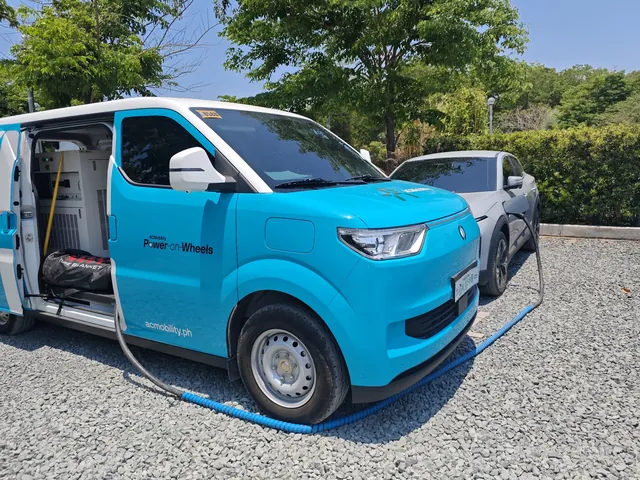
The rapid growth of the global EV market has also led to increased investment in charging infrastructure. As the number of electric vehicles on the road continues to rise, the need for reliable and efficient charging networks will become increasingly important.
In conclusion, the shift in market share among electric vehicle models is a significant development in the industry. As manufacturers continue to navigate this rapidly evolving landscape, it will be crucial to prioritize innovation, differentiation, and customer-centric strategies.
The future of the global EV market holds much promise, with many ing continued growth and adoption of sustainable transportation solutions. As the industry continues to evolve, it is essential to monitor trends and shifts in market share, and to adapt business strategies accordingly.
The shift in market share highlights the growing competition among EV manufacturers.