
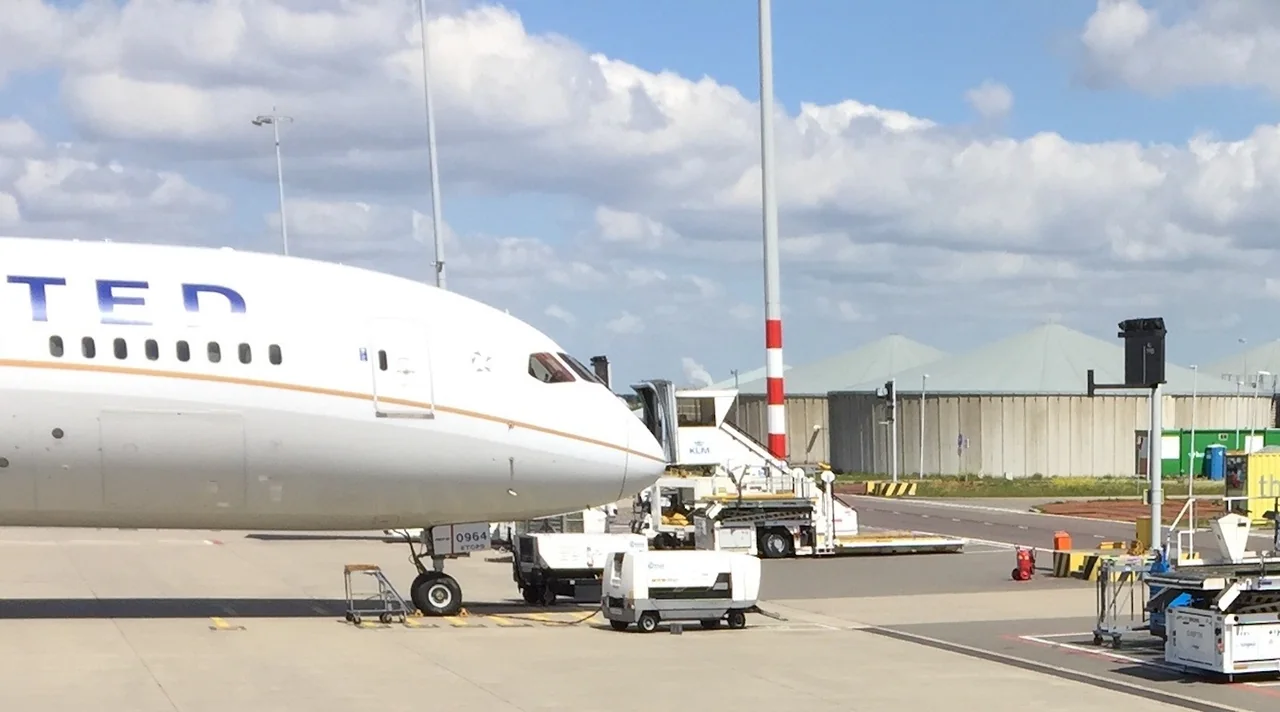
The current crisis in Iran and broader conflicts have highlighted the dependency of European aviation on fossil fuels, emphasizing the need for a strategic approach to the industry's future. Countries like China are rapidly advancing in aerospace technologies, posing a significant challenge to Europe's leadership position. If left unchecked, Europe risks losing its competitive edge in sustainable technologies and remaining dependent on imported kerosene.
The aviation sector must be viewed as a key strategic European industry, requiring significant investments in e-SAF and zero-emission technology to drive competitiveness and energy sovereignty. This necessitates fair pricing mechanisms that generate revenues for the sector's transition and innovation efforts.
Developing a resilient and secure aviation sector is contingent upon five crucial pillars: funding zero-emission technology and e-SAF scale-up, providing regulatory certainty for critical projects, implementing non-CO2 mitigation strategies, promoting fair taxation to generate revenue, and shifting focus from volume-driven growth to economic benefits.
The European Environmental Investigation Agency (T&E) has emphasized the importance of EU Aviation Champions in driving innovation and development of next-generation e-SAF technologies. This includes prioritizing electric and hydrogen technology within the EU.
Regulatory certainty is essential for the bankability of critical e-SAF projects, which will be crucial in scaling up these innovations. Without this support, the sector's transition to sustainable technologies may stall, perpetuating dependence on fossil fuels.
Non-CO2 mitigation trials are vital for ensuring the sector's growth is environmentally sustainable. Multi-stakeholder large-scale trials and incentivizing airline and ATM-led avoidance strategies will be key in achieving this goal.
Fair pricing mechanisms are necessary to generate revenues that enable the sector to invest in its transition and reduce environmental impact. This includes taxation policies that promote sustainable aviation practices.
The EU's approach to volume-driven growth must shift towards focusing on economic benefits rather than blind quantity. By doing so, the sector can ensure a more sustainable future while maintaining competitiveness.
Ultimately, the EU's vision for a resilient and secure aviation sector hinges on its ability to transition to sustainable technologies and invest in e-SAF scale-up. Failure to do so will result in a loss of leadership position and energy sovereignty.
The EU's failure to invest in sustainable aviation technologies will result in a loss of competitiveness and energy sovereignty.